
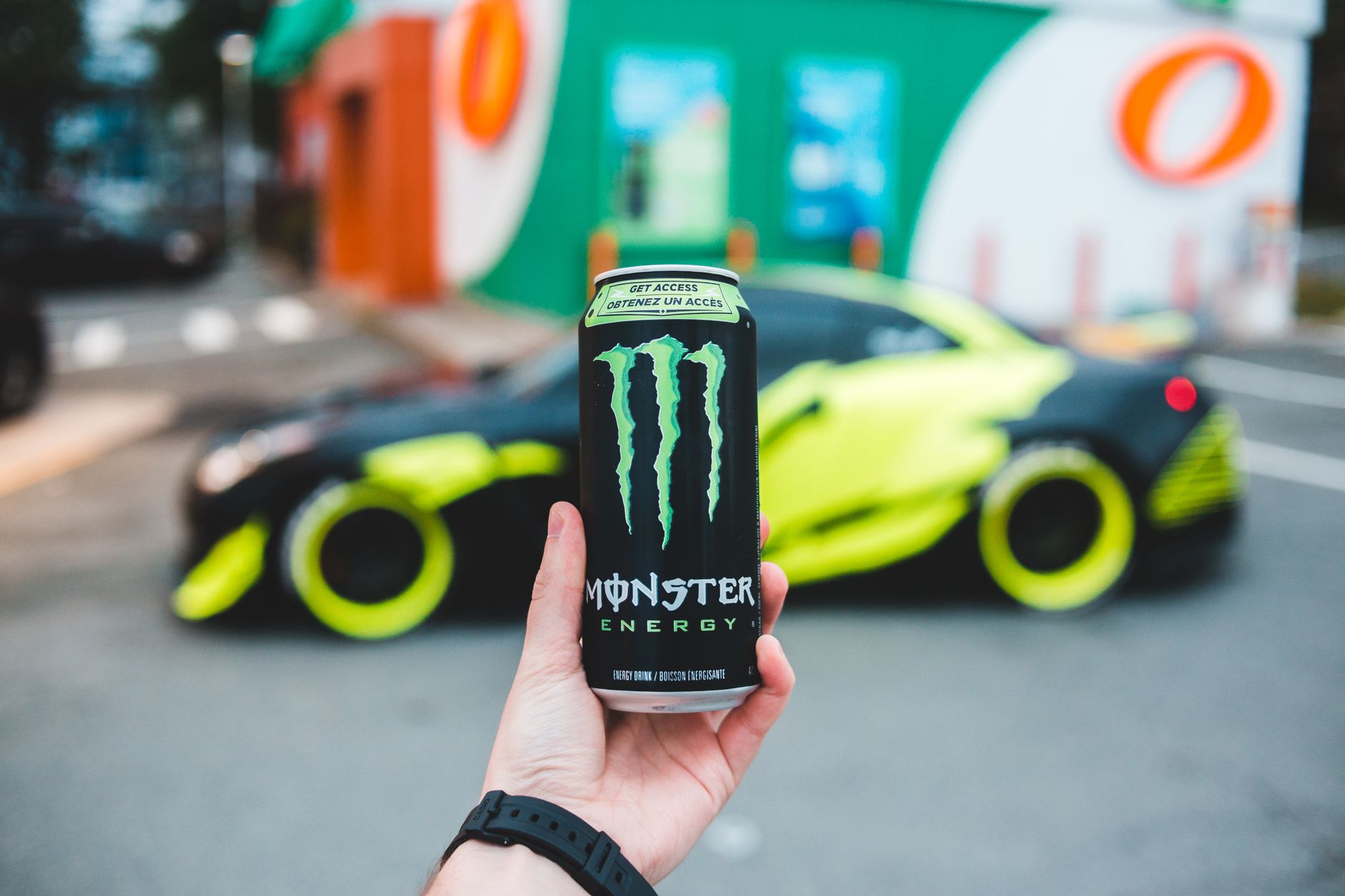
For many energy drink enthusiasts, caffeine content is a key factor when choosing beverages. Among the popular options, Monster Energy stands out for its wide variety of flavors and formulations. The primary question many ask is: how much caffeine does Monster actually contain?
This guide details the caffeine content in Monster Energy drinks across its various sizes and products, helping you make informed choices about consumption and its effects on your body.
How Much Caffeine Does Monster Have?
Monster Energy drinks typically contain around 160 mg of caffeine per 16-ounce can. However, caffeine levels can vary depending on the specific product line and flavor. Understanding these differences is crucial for moderating your intake.
Caffeine Levels in Different Monster Energy Varieties
Monster offers numerous energy drink lines, each providing varying levels of caffeine. Below is a comprehensive breakdown of the caffeine content across different Monster beverages:
- Monster Original (16 oz): 160 mg of caffeine
- Monster Lo-Carb (16 oz): 140 mg of caffeine
- Monster Zero Ultra (16 oz): 140 mg of caffeine
- Monster Energy Drink, Punch (16 oz): 160 mg of caffeine
- Monster Energy, Juice Monster (16 oz): 160 mg of caffeine
- Monster Rehab (15.5 oz): 80 mg of caffeine
- Monster Ultra (19.2 oz): 200 mg of caffeine
- Java Monster (15 oz): 188 mg of caffeine
Understanding Caffeine: Effects and Recommendations
Caffeine is a central nervous system stimulant that can improve focus, energy, and mood. However, excessive caffeine consumption can lead to negative side effects such as increased heart rate, insomnia, anxiety, and digestive issues.
The general recommendation for most adults is to limit caffeine intake to about 400 mg per day. This translates to about three to four Monster Energy drinks, depending on the variety. It’s important to consider your own caffeine sensitivity and adjust your consumption accordingly.
Consumer Tips for Monster Energy Drinks
When it comes to consuming Monster Energy drinks, the following tips can help enhance your experience while promoting safe consumption:
- Read Labels: Always check the nutrition label for specific caffeine content, as flavors and formulations vary.
- Stay Hydrated: Energy drinks can lead to dehydration, so ensure you’re drinking enough water.
- Pair with Food: Having food along with an energy drink can help mitigate potential stomach upset.
- Avoid Mixing: Do not mix energy drinks with alcohol, as it may mask the effects of alcohol and increase the risk of overconsumption.
- Listen to Your Body: Pay attention to how your body reacts and adjust your intake accordingly.
Popular Flavors of Monster Energy and Their Caffeine Content
Monster is known for its extensive range of flavors. Below is a list of some popular flavors and their respective caffeine levels:
- Monster Ultra Sunrise (16 oz): 150 mg of caffeine
- Monster Mango Loco (16 oz): 180 mg of caffeine
- Monster Pipeline Punch (16 oz): 160 mg of caffeine
- Monster Watermelon (16 oz): 160 mg of caffeine
Decaffeinated Options and Alternatives
For those looking to limit their caffeine intake, you may want to consider alternatives or decaffeinated options. While Monster does not typically offer decaffeinated energy drinks, some competitors like REIGN or other brands provide low-caffeine options.
Additionally, if you’re drawn to the flavors of Monster but want to minimize caffeine, mixing a small amount of the beverage with seltzer or a non-caffeinated drink can create a pleasant alternative.
Common Misconceptions about Caffeine in Energy Drinks
It’s essential to address some common misconceptions surrounding caffeine in energy drinks:
- All Energy Drinks Are Equal: Many people think all energy drinks have similar caffeine levels, but this is not true. Always check individual product labels.
- More is Better: The belief that consuming more caffeine equals greater energy is misleading. The body has limits to how much it can efficiently process at one time.
- Instant Energy Boost: While energy drinks can provide an initial boost, they often lead to a subsequent energy crash, making moderation key.
Understanding Caffeine Sensitivity
Caffeine sensitivity varies from person to person, influenced by genetics, tolerance, and lifestyle factors. Some individuals may feel jittery after a small amount, while others can consume higher levels without side effects.
To determine your tolerance, consider starting with a smaller portion of an energy drink and observe how your body reacts before increasing your intake.
Integrating Energy Drinks into Your Lifestyle
If you enjoy Monster Energy drinks, finding a balance and integrating them into your daily routine can be beneficial. Here are some practical ways to do so:
- Pre-Workout Boost: Consuming a Monster before exercise can enhance performance due to the caffeine and additional ingredients.
- Social Settings: Some people enjoy sharing a Monster drink during social gatherings or celebrations, making it a fun, energizing option.
- Gamer’s Companion: Many gamers turn to energy drinks for sustained focus during long gaming sessions. Ensure proper hydration, though, as caffeine can lead to dehydration.
Health Considerations
When considering caffeine consumption from Monster Energy drinks, it is essential to factor in health conditions or medications that may interact with caffeine. Always consult with a healthcare professional if you have underlying health issues or concerns about caffeine intake.
Pregnant or nursing women, those with heart conditions, and individuals sensitive to caffeine should be particularly cautious and consult advice tailored to their situation.
The Impact of Combining Monster with Other Ingredients
Some enthusiasts may mix Monster Energy with other beverages or substances. Understanding the effects of these combinations can help you avoid unwanted side effects:
- Alcohol: Combining alcohol and energy drinks can be dangerous, as caffeine can mask the effects of alcohol, leading to overconsumption and riskier behavior.
- Caffeinated Supplements: Avoid taking energy drinks in combination with caffeine-containing supplements, as this can lead to excessive intake.
- Carbonated Beverages: Mixing Monster with sodas may dilute its flavor but can also increase sugar and caffeine intake.
Storage and Handling of Energy Drinks
To maximize the freshness and flavor of your Monster drinks, consider the following storage tips:
- Store in a Cool Place: Keep your energy drinks in a cool, dry place away from direct sunlight. Excessive heat can affect flavor and carbonation.
- Check Expiration Dates: Energy drinks have a shelf-life, so always check expiration dates to ensure you’re consuming a fresh product.
Wrapping Up: Your Guide to Monster’s Caffeine Content
Understanding how much caffeine is in Monster Energy drinks is essential for responsible consumption. With an average of 160 mg per 16-ounce can, finding a balance that suits your caffeine tolerance while enjoying the various flavors available is crucial.
By considering your personal preferences, physical reactions, and health, you can enjoy Monster as a flavorful pick-me-up while managing your caffeine intake.
For more insights on caffeine in different beverages, visit the articles on whether Diet Dr. Pepper has caffeine or how much caffeine is in chai tea. Explore more and find the right drink for your lifestyle!