
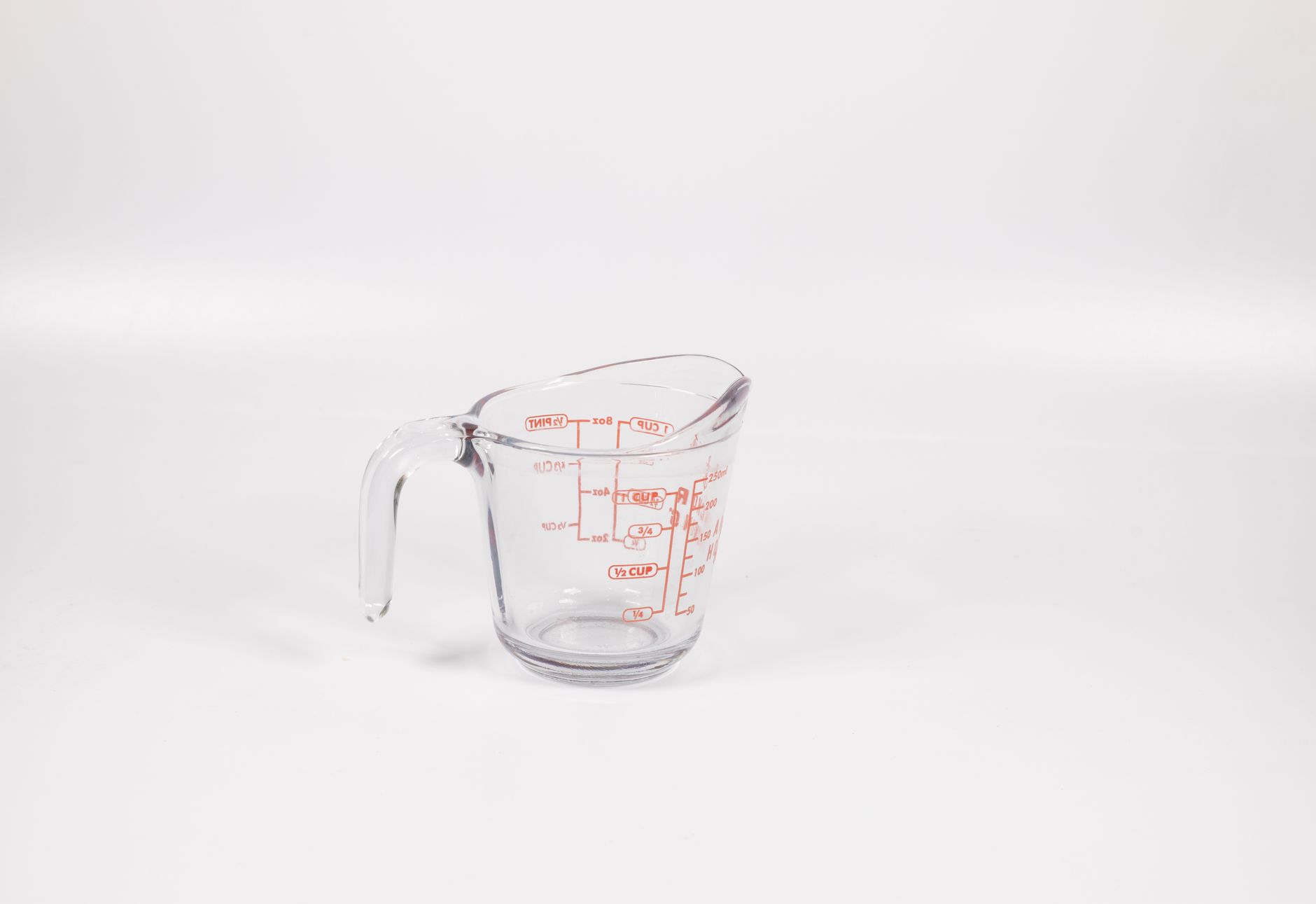
Understanding measurements in cooking is essential for achieving consistent results. One common measurement in recipes is 12 ounces, which can often cause confusion if you’re unsure what it looks like. This article will help you visualize 12 oz, break it down into various ingredients, and guide you through how to use it effectively in your cooking.
In this guide, we’ll explore what 12 oz looks like across different food categories, providing practical tips for measuring, substituting ingredients, and effectively using this measurement in your kitchen. Whether you’re baking a cake or cooking a hearty stew, determining how much 12 oz translates into actual ingredients is crucial.
What Does 12 Oz Look Like?
In practical terms, 12 oz is equivalent to 1.5 cups. This measurement can apply to dry and liquid ingredients, but it’s essential to use the correct measuring tools for accuracy. Whether you’re dealing with flour, sugar, or liquid, we’ll provide visual comparisons and examples to help you understand what 12 oz looks like.
Visualizing 12 Oz in Multiple Ingredients
To fully grasp the concept of 12 ounces, let’s look at a few common ingredients and their equivalent volumes. Here’s how various substances can help paint the picture:
- Flour: 12 oz of all-purpose flour is about 3 cups. It appears fluffy and can fill a medium-sized bowl. If you look at the surface, it resembles a small mountain, as flour can be packed lightly.
- Granulated Sugar: 12 oz holds roughly 1.5 cups of granulated sugar. It will fill a measuring cup about halfway and have a smooth, shiny surface, often resembling crystal-like clumps.
- Butter: Packages of butter typically show ounces on their wrapping. A 12 oz block of butter is equivalent to about 1.5 cups or three sticks of butter. This can easily be noted in your grocery aisle at a glance.
- Rice: For uncooked rice, 12 oz translates to about 1.5 cups, which visually appears as a small mound in a measuring cup.
- Water: Measuring 12 oz of liquid is straightforward. It will visibly fill a standard measuring cup to the 1.5-cup line, equating to about 1.5 standard-sized coffee mugs.
How to Measure 12 Oz Accurately
Measuring properly is crucial for recipe accuracy. Here are some easy steps to measure 12 oz of various ingredients:
For Dry Ingredients:
- Use dry measuring cups for accuracy. Make sure they’re properly leveled off at the top.
- Scoop the flour or sugar into the measuring cup and use a straight edge (like the back of a knife) to level it off.
- Repeat the process until you reach a total of 12 oz or the equivalent in cups.
For Liquid Ingredients:
- Use a glass or plastic liquid measuring cup.
- Pour the liquid into the measuring cup until you reach the 12 oz mark. Ensure you are at eye level to avoid discrepancies.
- For added accuracy, double-check the measurement after pouring.
Common Substitutions for Ingredients Measured in 12 Oz
Encountering a recipe that calls for 12 oz can be tricky if you do not have that exact amount. Here are some common substitutions you can use:
- 12 oz of butter: You can substitute with 1.5 cups of margarine or shortening for similar fat content in recipes.
- 12 oz of flour: If you’re out of all-purpose flour, whole wheat flour can be used in a 1:1 ratio, though it may add a denser texture.
- 12 oz of sugar: Brown sugar can often be substituted equally, but be aware that it may result in a richer flavor and color.
- 12 oz of milk: If you’re out of milk, you can replace it with an equal amount of almond milk or soy milk for a dairy-free alternative.
Practical Kitchen Uses for 12 Oz
Understanding what 12 oz looks like can significantly enhance your cooking experience. Here are some kitchen scenarios and recipes where this measurement commonly appears:
Baking
Baking often requires precise measurements. Many recipes call for 12 oz of ingredients, such as:
- Cake Batter: A typical cake recipe may call for 12 oz of flour paired with other ingredients like sugar and eggs.
- Cookie Dough: For large batches, you may use 12 oz of butter or sugar to ensure the cookies are sweet and chewy.
Cooking
In savory cooking, you might find 12 oz of meats or liquids like broths in recipes:
- Stews: Many beef or vegetable stew recipes use 12 oz of broth or diced meat for a hearty dish.
- Stir-Fries: You may need 12 oz of chicken or tofu, making enough for a family meal.
Meal Prep
When planning meals, using 12 oz can help with portion control. For example:
- Protein Portions: Portion 12 oz of protein, such as grilled chicken or beans, for several meal prep containers for the week.
- Grains: Prepare 12 oz of quinoa or rice as a base for various lunches throughout the week.
Common Mistakes to Avoid When Measuring 12 Oz
To achieve the best results in your cooking, avoid these common measuring mistakes:
- Using the Wrong Measuring Cup: Always use the appropriate measuring cup for dry or liquid ingredients.
- Packing Ingredients: For flour, avoid packing it down in the measuring cup as it can lead to using more than needed.
- Not Leveling Off: Failing to level off the top of dry ingredients could also result in using excess quantity.
Storage and Reheating Tips for 12 Oz Portions
When using 12 oz of ingredients, storage and reheating are just as important. Here are some practical tips:
- Leftover Soups or Stews: If you have prepared 12 oz of stew, store it in an airtight container in the refrigerator for up to 3 days or freeze it for a month.
- Cooked Grains: Keep any cooked grains in the refrigerator in a sealed container. They should last up to a week, making them great for meal preps.
- Baked Goods: Store cakes and cookies in a cool, dry place. For long-term storage, freeze baked goods wrapped tightly to prevent freezer burn.
Exploring Dietary Preferences with 12 Oz Ingredients
When considering dietary restrictions, 12 oz can still play a valuable role in creating meals:
- Gluten-Free: You can use 12 oz of gluten-free flour mixes instead of all-purpose flour while maintaining the same volume.
- Vegan: Replace 12 oz of eggs with flaxseed meal mixed with water or store-bought vegan egg substitutes in equal volume.
- Low-Carb: Using 12 oz of cauliflower rice could substitute traditional grains effectively for low-carb diets.
Final Thoughts on Measuring 12 Oz
Mastering how to visualize and measure 12 oz can greatly enhance your culinary skills. With this knowledge, you’ll feel more confident when working with recipes and adapting them to your flavor preferences or dietary needs.
Now that you understand what 12 oz looks like across various ingredients, try your hand at measuring it out in your next cooking session. You may find that 12 oz is more common in your kitchen than you initially thought!
For more kitchen tips, check out our articles on what is a good substitute for rosemary and what saffron tastes like. Explore new flavors and techniques to elevate your cooking today!