
There’s something undeniably satisfying about brewing your own beer, and a crisp, refreshing Pilsner hits the spot every time. This recipe combines the bright, zesty flavors of hops with a smooth malt backbone, making it a favorite for warm evenings or casual gatherings with friends.
What makes this Pilsner special is its balance of flavor and aroma, alongside its refreshing finish. It’s a versatile brew that can be enjoyed on its own or paired with a variety of dishes. So, let’s gather our ingredients and get started on crafting your own delightful batch!
Why You’ll Love This Recipe
This Pilsner recipe is perfect for both beginners and seasoned brewers. Here’s why you’ll want to brew it:
- Light and refreshing flavor profile.
- Easy to follow with straightforward steps.
- Perfect for social gatherings or quiet nights in.
- Customize with different hops for unique variations.
- Enjoy the satisfaction of home brewing.
My Experience Making This Recipe
When I brewed my first batch of Pilsner, the aroma of the hops filled my kitchen, creating an intoxicating atmosphere. Watching the fermentation process unfold felt like magic, as the bubbles danced in the airlock.
After a couple of weeks, I finally poured my first glass, and the flavor was everything I hoped for: crisp, clean, and just the right amount of hoppy bitterness. Sharing it with friends made the experience even more rewarding.
Recipe Overview
- Recipe Name: Pilsner
- Servings: Approximately 48 ounces (4 pints)
- Prep Time: 30 minutes
- Cook Time: 60 minutes
- Total Time: 3 weeks (including fermentation)
- Course: Beverage
- Cuisine: German
- Calories per Serving: 180
Equipment You Will Need
- Large brew kettle (at least 5 gallons)
- Fermentation vessel with airlock
- Sanitizer
- Hydrometer
- Bottling bucket and bottles
- Thermometer
- Stirring spoon
Ingredients for Pilsner
- 6 pounds Pilsner malt
- 1 pound Munich malt
- 1 ounce Saaz hops (bittering)
- 1 ounce Saaz hops (flavor)
- 1 package lager yeast
- 5 ounces priming sugar (for bottling)
Ingredient Notes and Substitutions
- Pilsner malt: This provides a light, crisp flavor. You can substitute with pale malt for a different profile.
- Munich malt: Adds depth to the flavor. You can skip it for a more straightforward taste.
- Saaz hops: Known for their herbal aroma. Other noble hops can be used for a different twist.
- Lager yeast: Essential for fermentation at cooler temperatures. An ale yeast can be used if you prefer a different style.
- Priming sugar: Helps carbonate the beer. Corn sugar or table sugar can be used as alternatives.
How to Make Pilsner
Step 1: Prepare Your Equipment
Start by cleaning and sanitizing all your brewing equipment. This prevents any unwanted bacteria from spoiling your beer.
Step 2: Heat the Water
Heat 3 gallons of water in your brew kettle to around 160°F. This temperature is ideal for extracting sugars from the malt.
Step 3: Mash the Grains
Add the crushed grains to the heated water and maintain the temperature for 60 minutes. This process converts starches into fermentable sugars.
Step 4: Sparge the Grains
After mashing, rinse the grains with hot water to extract more sugars. This helps maximize your yield of fermentable liquid.
Step 5: Boil the Wort
Bring the collected wort to a boil, then add the first ounce of Saaz hops. Boiling sterilizes the wort and extracts hop flavors.
Step 6: Add Flavor Hops
After 45 minutes of boiling, add the second ounce of Saaz hops. This will enhance the aroma without adding too much bitterness.
Step 7: Cool the Wort
Once the boil is complete, cool the wort quickly using a wort chiller or an ice bath. Rapid cooling prevents contamination and helps yeast thrive.
Step 8: Ferment the Beer
Transfer the cooled wort to your fermentation vessel and pitch the yeast. Seal it with an airlock and let it ferment in a cool, dark place for about two weeks.
Pro Tip: Be patient during fermentation; the longer it sits, the better the flavors develop.
Tips for the Best Pilsner
- Use fresh ingredients for the best flavor.
- Maintain a consistent fermentation temperature for optimal yeast activity.
- Be meticulous about sanitation to prevent off-flavors.
- Experiment with different hop varieties for unique twists.
- Allow the beer to carbonate fully before tasting to appreciate the flavors.
Common Mistakes to Avoid
- Skipping sanitation can ruin your batch with unwanted bacteria.
- Not controlling fermentation temperature can lead to off-flavors.
- Rushing the cooling process can introduce contaminants.
- Failing to measure ingredients accurately can imbalance flavors.
Serving Suggestions
This Pilsner pairs beautifully with a variety of dishes. Here are some great options:
- Grilled chicken or fish tacos
- Spicy buffalo wings
- Crispy fried calamari
- Light salads with citrus dressing
Variations to Try
- Switch to a different hop variety for unique flavors, like Cascade or Citra.
- Add fruit during fermentation for a fruity twist.
- Experiment with different malt combinations for richer flavors.
- Try dry hopping during fermentation for an aromatic boost.
Dietary Adaptations
- Gluten-free: Use gluten-free grains like sorghum or rice.
- Dairy-free: This recipe is naturally dairy-free.
- Vegan: All ingredients are plant-based.
- Low-carb/keto: Use low-carb malt alternatives for fewer carbohydrates.
Storage and Reheating
Refrigerator
Store your finished Pilsner in a cool, dark place or the fridge to maintain freshness.
- Keep bottles upright to prevent sediment from mixing.
- Consume within a few months for the best flavor.
Freezer
Avoid freezing your beer, as it can alter the flavor and texture.
- Store only in the refrigerator.
Reheating
Beer should not be reheated. Enjoy it cold right from the bottle or glass.
Nutrition Information
| Nutrient | Amount |
|---|---|
| Calories | 180 |
| Total Fat | 0g |
| Saturated Fat | 0g |
| Carbohydrates | 14g |
| Fiber | 0g |
| Sugar | 0g |
| Protein | 1g |
| Sodium | 10mg |
| Cholesterol | 0mg |
Nutrition values may vary based on specific ingredients and methods used.
Frequently Asked Questions
Can I substitute the hops?
Yes, you can use different hop varieties, but it may change the flavor profile.
How long can I store my Pilsner?
Store your Pilsner in a cool, dark place for up to three months for best flavor.
Can I make this recipe ahead of time?
Absolutely! You can brew it a few weeks in advance to allow for fermentation.
What if my beer is too cloudy?
Cloudiness can be due to insufficient filtration or too much yeast. Let it settle before serving.
Can I brew this in smaller batches?
Yes, just scale down the ingredients accordingly for smaller batches.
Final Thoughts
Brew your own Pilsner and enjoy a refreshing beverage that you crafted with your own hands. It’s a rewarding experience that combines science and creativity in the best possible way.
If you’re interested in learning more about beer styles, check out this link on what a Pilsner is or try your hand at making beer can chicken for your next gathering.
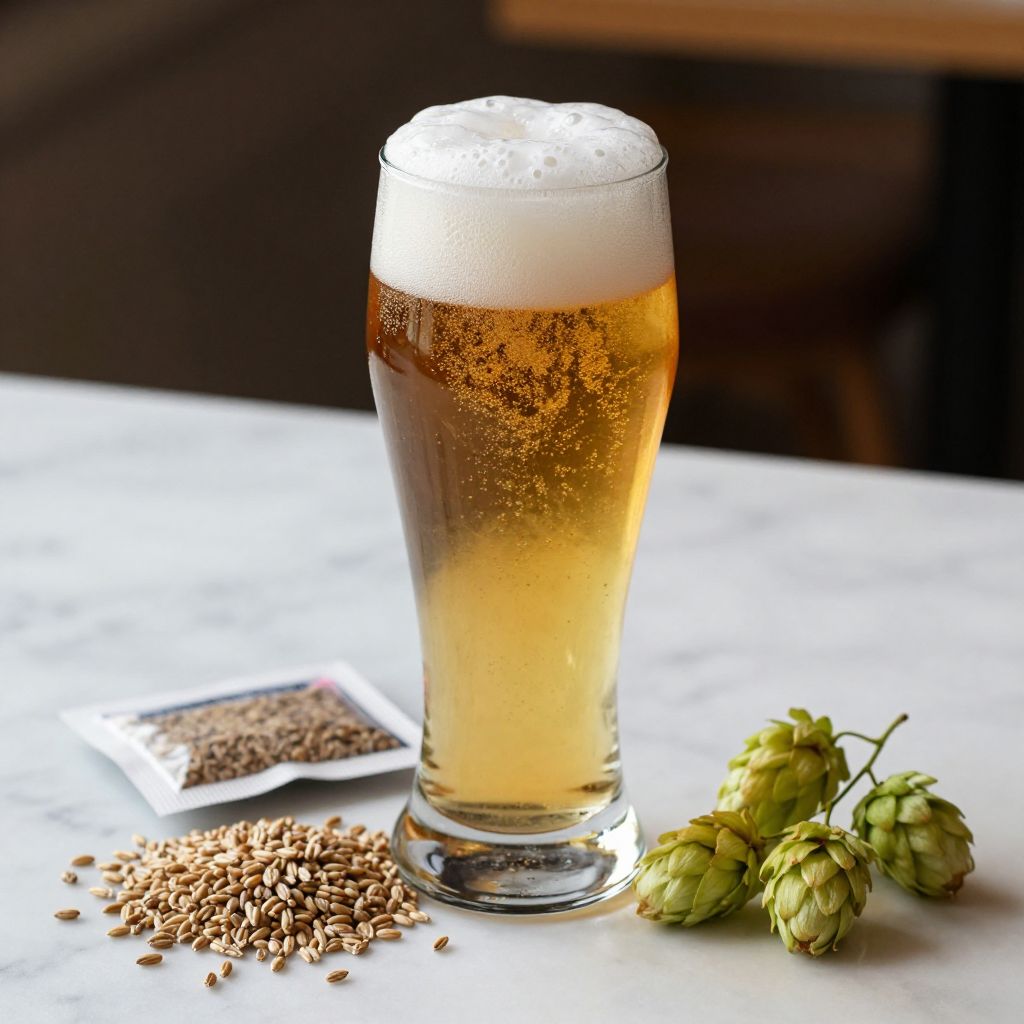
Pilsner
Ingredients
Equipment
Method
- Start by cleaning and sanitizing all your brewing equipment.
- Heat 3 gallons of water in your brew kettle to around 160°F.
- Add the crushed grains to the heated water and maintain the temperature for 60 minutes.
- After mashing, rinse the grains with hot water to extract more sugars.
- Bring the collected wort to a boil, then add the first ounce of Saaz hops.
- After 45 minutes of boiling, add the second ounce of Saaz hops.
- Once the boil is complete, cool the wort quickly using a wort chiller or an ice bath.
- Transfer the cooled wort to your fermentation vessel and pitch the yeast.
- Seal it with an airlock and let it ferment in a cool, dark place for about two weeks.