
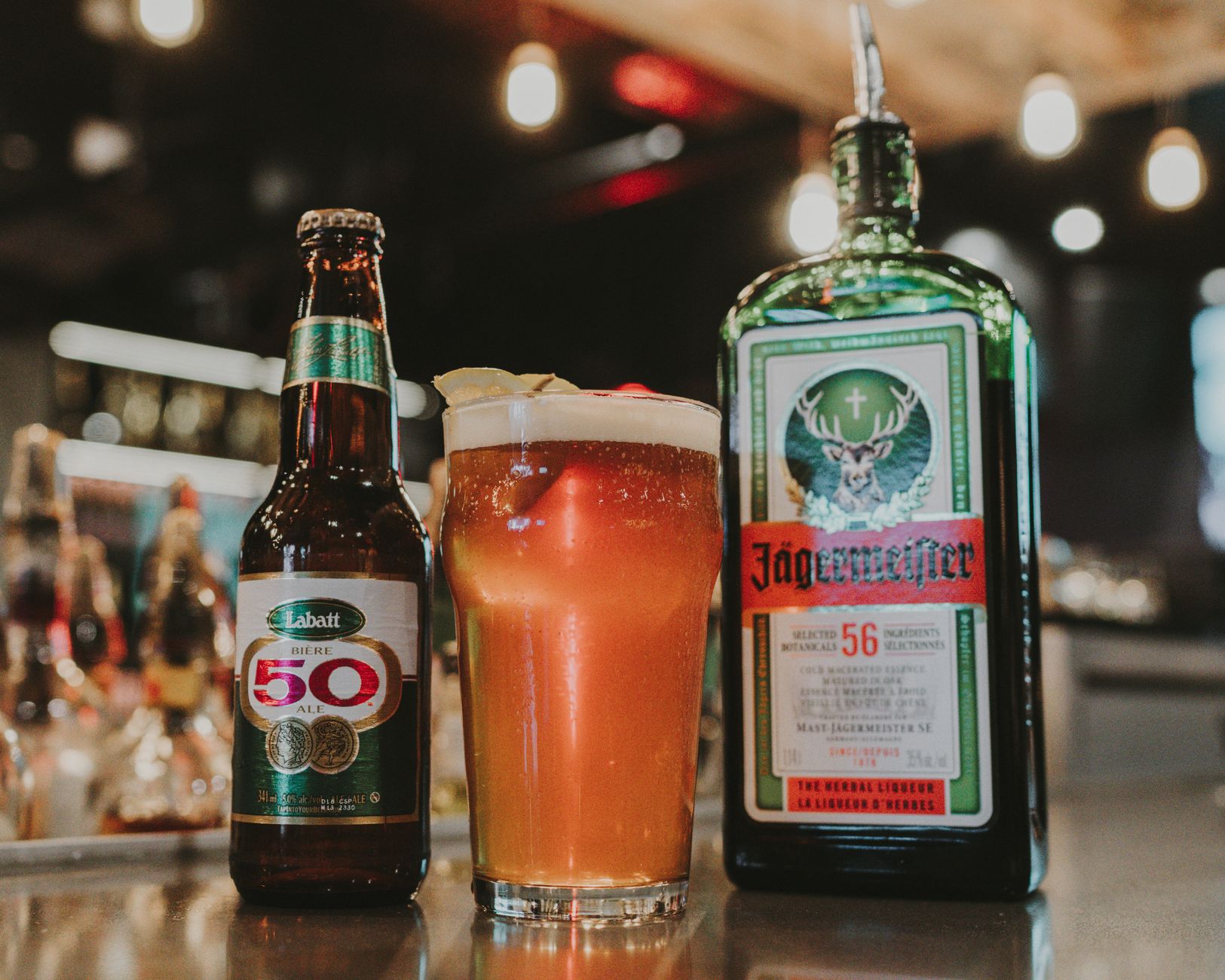
Understanding when alcohol sales cease is critical for planning your shopping trips and any social gatherings. Timing can vary significantly based on state laws, local ordinances, and the type of establishment selling the alcohol. This guide covers the typical hours during which alcohol sales stop and how that might impact your meal planning and drink preparations.
Different regions have their own regulations, so knowing these specifics can save you from unexpected surprises. Let’s explore the general timelines for when alcohol sales stop, highlighting variations by location and type of retailer.
What Time Stop Selling Alcohol?
Alcohol sales typically stop at specific times depending on local laws and the seller type. Many states regulate the hours during which alcohol can be sold, with common cutoff times ranging from 9 p.m. to 2 a.m. It’s essential to check local laws to know the exact times, as they can differ widely even within the same state.
State-by-State Overview of Alcohol Sales Cutoff Times
Here’s a general overview of how various states in the U.S. regulate alcohol sales times:
| State | Typical Cutoff Time | Notes |
|---|---|---|
| California | 2 a.m. | Some cities enforce an earlier cutoff. |
| Texas | 12 a.m. (midnight) | Exceptions for bars and clubs until 2 a.m. |
| New York | 4 a.m. | Varies by license type. |
| Florida | 12 a.m. (midnight) | Many counties have their own restrictions. |
| Washington | 2 a.m. | Grocery stores can sell until 11 p.m. on weekdays. |
| Ohio | 2:30 a.m. | Clubs may operate late on weekends. |
Types of Establishments and Their Selling Hours
It’s not only the state laws that dictate when alcohol sales stop; the type of establishment plays a significant role as well:
Bars and Restaurants
Generally, bars and restaurants have more flexible hours for serving alcohol. Many can serve until 1 a.m. or even 2 a.m., especially on weekends. However, they often cannot sell alcohol to-go, meaning purchases need to be consumed on-site.
Grocery and Convenience Stores
Grocery stores and convenience stores often face stricter regulations. Many states restrict the sale of alcohol until 9 or 10 p.m. on weeknights, and earlier on Sundays. It’s advisable to plan your grocery runs accordingly.
Liquor Stores
Liquor stores typically have set hours for alcohol sales. Many close by 10 p.m., while some may close as early as 8 p.m. on certain days. Be sure to check local regulations, as they can vary even within a state.
Special Events and Holidays
During special events or holidays, regulations often change. For example, New Year’s Eve might see extended hours, while certain holidays may completely prohibit sales. It’s crucial to be aware of these changes, especially when planning gatherings.
Consequences of Not Knowing Sales Cutoff Times
Failing to understand when alcohol sales stop can lead to last-minute scrambles while entertaining guests. Imagine preparing a lovely dinner party only to find out that the wine store is closed before you can grab that final bottle to complete your meal.
Moreover, many regions have fines or penalties for establishments that sell alcohol after hours. Responsibility lies with both the seller and the consumer, so being aware of these rules ensures a smoother experience for everyone involved.
Planning Your Meals Around Alcohol Cutoff Times
If you’re hosting a gathering or simply planning to enjoy a drink with dinner, it’s important to plan ahead. Consider the following strategies:
Prepare a Shopping List
Draft a comprehensive shopping list that includes all the items you’ll need, including any alcohol-related ingredients or drinks. Be sure to check the store hours to ensure you arrive before they close.
Consider This Simple Timeline
- Identify your meal and drinks for the evening.
- Check alcohol cutoff times based on your location.
- Plan your shopping trip accordingly, allowing extra time for each store visit.
For example, if you’re planning a dinner at 7 p.m. and know that your nearby liquor store closes at 10 p.m., ensure you have everything purchased by 9 p.m. to allow for cooking time without a rush.
Alcohol Pairings with Meals
When planning meals, consider what types of alcohol pair well with various dishes. Here are some classic pairings:
Wine Pairings
- Red Wine: Pairs well with red meats, pasta with marinara, and rich sauces.
- White Wine: Complements lighter proteins such as chicken and fish, along with salads.
- Rosé: Versatile and can bridge several dishes, ideal for barbecued foods.
Beer Pairings
- Pale Ales: Works well with spicy foods, burgers, and fried dishes.
- Wheat Beers: Light and refreshing, great with seafood and summer salads.
- Stouts: Excellent with chocolate desserts or grilled meats.
Cocktail Pairings
- Mojitos: Ideal for vibrant salads or seafood dishes.
- Whiskey Sours: A classic with savory barbecue or rich desserts.
- Black Manhattans: Excellent alongside smoky flavors or hearty dishes.
Knowing when to stop selling alcohol means you can choose the right beverages to enhance your meals and your guests’ experience.
Drinks Recipes for Your Next Gathering
Crafting great drinks at home can enhance your gatherings, making them memorable. Below are two popular recipes you can prepare in advance, ensuring you stay within alcohol selling time limits.
Whiskey Sour Recipe
This classic cocktail pairs beautifully with hearty dishes and is easy to prepare.
- 2 oz. whiskey
- 3/4 oz. fresh lemon juice
- 1/2 oz. simple syrup
- Ice cubes
- Lemon twist for garnish
To prepare the Whiskey Sour:
- In a shaker, combine whiskey, lemon juice, and simple syrup.
- Fill the shaker with ice and shake well until chilled.
- Strain into a rocks glass over fresh ice.
- Garnish with a lemon twist.
Black Manhattan Recipe
A dark twist on the classic cocktail; it’s perfect for winter gatherings.
- 2 oz. rye whiskey
- 1 oz. sweet vermouth
- 1/2 oz. Amaro (Italian herbal liqueur)
- 2 dashes of aromatic bitters
- Ice cubes
- Maraschino cherry for garnish
To prepare the Black Manhattan:
- Combine rye whiskey, sweet vermouth, Amaro, and bitters in a mixing glass.
- Fill the mixing glass with ice and stir gently until well chilled.
- Strain into a chilled coupe glass.
- Garnish with a maraschino cherry.
Common Mistakes to Avoid
When planning around alcohol sales, consider these common pitfalls:
- Forgetting to check local ordinances concerning alcohol sales.
- Underestimating time taken for shopping, especially during busy hours.
- Neglecting to verify whether your chosen beverage complements your meal.
A little foresight can go a long way in ensuring your event is enjoyable and well-prepared.
Storing Alcohol for Future Use
If you have leftover alcohol after your gathering, proper storage ensures it lasts. Here are some tips:
- Keep bottles vertically positioned to prevent cork degradation.
- Store in a cool, dark place, away from direct sunlight.
- Tighten bottle caps or recork wine bottles tightly to minimize oxidation.
Final Thoughts
Understanding the cutoff times for alcohol sales is a vital aspect of meal and event planning. By knowing two things – when sales end and your local regulations – you can ensure your social gatherings run smoothly.
Whether you’re preparing a simple dinner for friends or an elaborate celebration, being aware of these factors can make all the difference. As you explore pairing options and treat your guests with delightful drinks, your preparation will shine through.
For further inspiration, explore our featured Whiskey Sour Recipe and the delightful Black Manhattan Recipe to elevate your next gathering.