
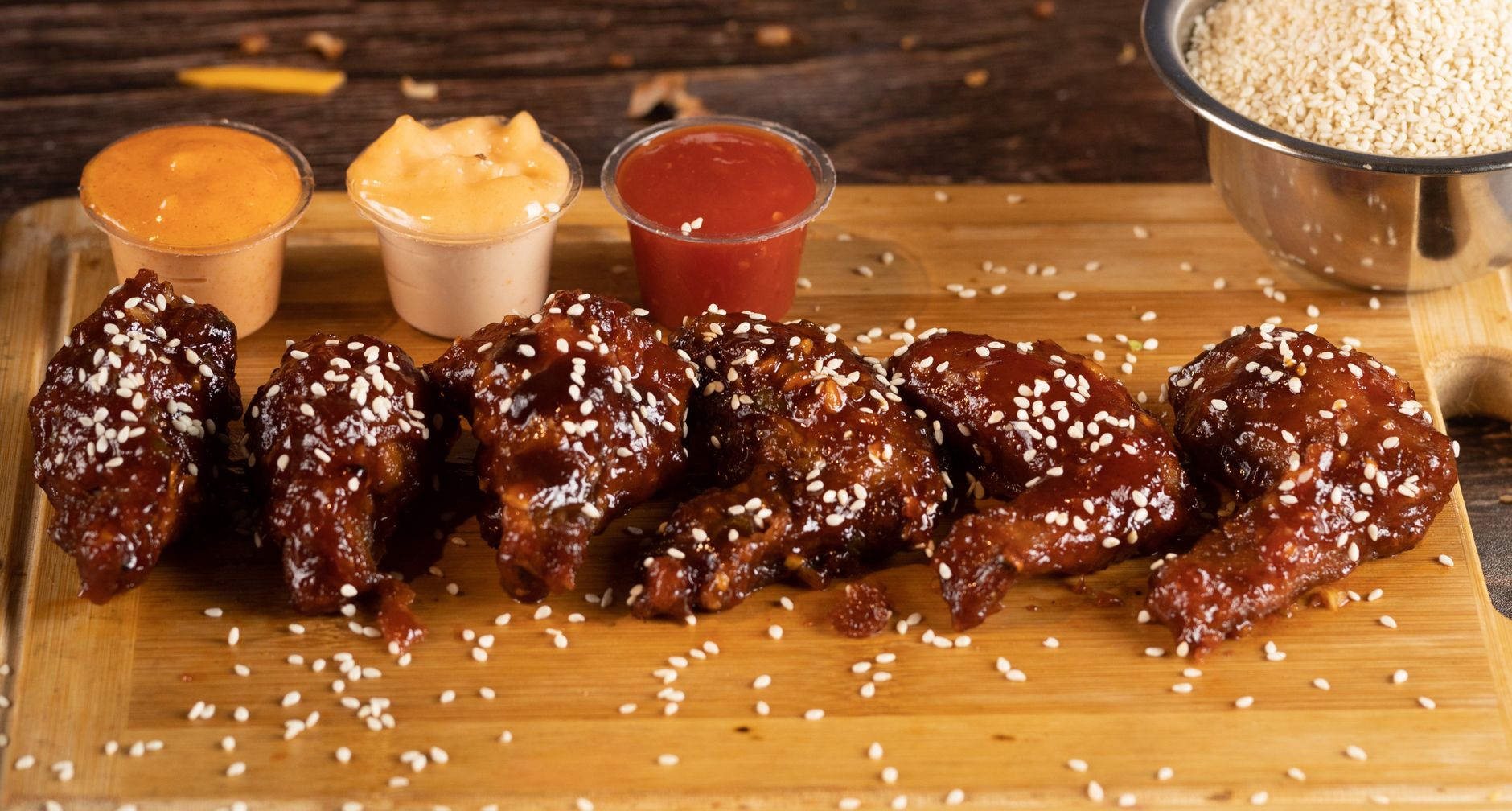
Japanese BBQ sauce, known as “yakiniku sauce,” is a delightful blend of flavors that brings a unique twist to grilled meats and vegetables. This sauce is cherished for its harmonious balance of sweetness, umami, and a touch of acidity, making it an ideal accompaniment to a variety of dishes.
The flavor profile typically includes a savory depth from ingredients like soy sauce and miso, while mirin or sugar adds sweetness. This article will delve into the specific flavors, uses, and versatility of Japanese BBQ sauce, helping you appreciate every aspect of this essential condiment.
What Does Japanese BBQ Sauce Taste Like?
Japanese BBQ sauce has a complex flavor profile characterized by a combination of sweetness, saltiness, and a distinct umami flavor. The sauce is not only versatile but also enhances the taste of grilled meats and vegetables, making it an essential component of Japanese cuisine.
Flavor Components of Japanese BBQ Sauce
To fully appreciate what Japanese BBQ sauce tastes like, it is important to understand its key flavor components:
- Umami: This savory taste is central to Japanese BBQ sauce, often derived from soy sauce and miso. Umami creates a rich and satisfying flavor that enhances the overall experience of the sauce.
- Sweetness: Mirin, sugar, or honey are typically added to Japanese BBQ sauce, providing a sweet undertone that balances the saltiness of the soy sauce.
- Saltiness: Soy sauce is the primary source of saltiness in the condiment, contributing depth and enhancing the other flavors.
- Acidity: Some recipes may include rice vinegar or citrus zest, adding a refreshing tang that cuts through the richness and complements grilled meats.
- Spiciness: Depending on the recipe, certain variations may include chili pepper or wasabi for a subtle kick, amplifying the sauce’s complexity.
Texture of Japanese BBQ Sauce
The texture of Japanese BBQ sauce can range from a smooth consistency to a slightly thickened one, depending on the recipe. This thickness allows the sauce to cling to grilled ingredients, ensuring that each bite is packed with flavor.
Common Ingredients in Japanese BBQ Sauce
Understanding the key ingredients is essential for recognizing the flavor profile of Japanese BBQ sauce:
- Soy Sauce: The base of many Japanese sauces, soy sauce adds saltiness and umami.
- Mirin: This sweet rice wine provides sweetness and depth.
- Sake: Japanese rice wine that contributes to the flavor complexity.
- Brown Sugar or Honey: These sweeteners enhance the sweetness while contrasting with the salty elements.
- Miso Paste: Adds a fermented flavor and richness, highlighting umami.
- Sesame Oil: Often included for a nutty aroma and flavor.
- Garlic and Ginger: Fresh or powdered, these aromatics contribute spiciness and warmth.
- Rice Vinegar: Used for acidity, which balances the sauce’s richness.
How Japanese BBQ Sauce is Used
Japanese BBQ sauce serves a variety of purposes, enhancing numerous dishes:
1. Marinades
Japanese BBQ sauce makes an exceptional marinade for meats like beef, pork, and chicken. The sugars in the sauce caramelize during cooking, creating a flavorful glaze that enhances the meat’s natural flavors.
2. Dipping Sauce
Traditionally served with grilled meats at yakiniku restaurants, this sauce is perfect for dipping cooked meat and vegetables. Its complex flavors complement the charred, smoky flavors produced by grilling.
3. Salad Dressing
When diluted with a little sesame oil or rice vinegar, Japanese BBQ sauce can transform into a unique salad dressing for various greens or grilled vegetables.
4. Flavoring Noodles and Rice
A drizzle of Japanese BBQ sauce over noodles or rice can elevate another layer of flavor, imparting sweetness and umami richness.
5. Enhancing Vegetables
Grilled or stir-fried vegetables can benefit greatly from a splash of this sauce, allowing you to enjoy the same depth of flavor without the meat.
Variations of Japanese BBQ Sauce
While the traditional version is popular, there are various adaptations of Japanese BBQ sauce that cater to different flavor preferences:
- Spicy Yakiniku Sauce: Incorporates chili paste or sesame seeds to boost the heat factor.
- Fruit-Infused Sauce: Utilizes fruit purees, like apple or pear, to impart natural sweetness alongside the traditional components.
- Tonkatsu Sauce: A sweeter, thicker sauce that combines typically includes additional ingredients like Worcestershire sauce and ketchup for a more complex profile.
Making Japanese BBQ Sauce at Home
Making your Japanese BBQ sauce at home allows you to control the flavor and adjust ingredients to your taste. Below is a simple recipe to create approximately one cup of this delicious sauce:
Ingredients
- 1/2 cup soy sauce
- 1/4 cup mirin
- 2 tablespoons brown sugar
- 1 tablespoon rice vinegar
- 1 tablespoon sesame oil
- 1 teaspoon minced garlic
- 1 teaspoon grated ginger
Preparation Steps
- In a small saucepan, combine the soy sauce, mirin, brown sugar, rice vinegar, sesame oil, garlic, and ginger.
- Place the saucepan over medium heat and bring the mixture to a simmer, stirring occasionally until the sugar dissolves.
- Reduce the heat and allow the sauce to simmer gently for 5-7 minutes until slightly thickened.
- Remove from heat and let cool before transferring to a jar or airtight container for storage.
Storage and Using Japanese BBQ Sauce
Homemade Japanese BBQ sauce can be stored in the refrigerator for up to two weeks. For longer storage, you can freeze the sauce in an airtight container for up to three months. Always label and date containers for easy identification.
Using Japanese BBQ Sauce
This sauce is versatile and can be used in numerous ways:
- Brush it on meats during grilling for added flavor.
- Use it to marinate meats before grilling, allowing the flavors to penetrate the protein.
- Serve it as a dipping sauce alongside grilled meats and vegetables.
- Mix with mayonnaise for a flavorful dip for fries or chips.
Common Mistakes to Avoid
When preparing or using Japanese BBQ sauce, keep these common mistakes in mind to ensure the best results:
- Overcooking: Avoid boiling the sauce too long; this can lead to a overly thickened consistency and an unpleasant burnt flavor.
- Ignoring Quality: Use high-quality soy sauce and mirin for the best flavor; low-quality ingredients can compromise the taste.
- Not Adjusting to Taste: Be sure to taste and adjust the sauce according to your preferences—everyone has a different sweetness tolerance or seasoning preference.
Pairing Japanese BBQ Sauce with Foods
Creating a meal with Japanese BBQ sauce involves understanding which foods pair well for a complementary dining experience:
Meats
While yakiniku sauce is often associated with grilled beef, it works beautifully with:
- Chicken
- Pork
- Seafood, especially shrimp and scallops
Vegetables
Grilled or roasted vegetables such as:
- Bell peppers
- Zucchini
- Asparagus
- Mushrooms
Side Dishes
Incorporate dishes like:
- Steamed rice
- Salads dressed with a mixture of Japanese BBQ sauce and oil
- Noodle dishes
Conclusion
Japanese BBQ sauce is a rich and flavorful condiment that enhances the taste of grilled meats, vegetables, and more. With its unique combination of sweet, salty, and umami flavors, it brings a distinct Japanese flair to a variety of dishes. Whether using it as a marinade, dipping sauce, or drizzle over meals, this versatile sauce is sure to elevate your cooking.
For more delicious recipes, consider trying our hibachi sauce recipe or explore Sweet Alabama pecan bread recipe for a delightful treat. Happy cooking!