
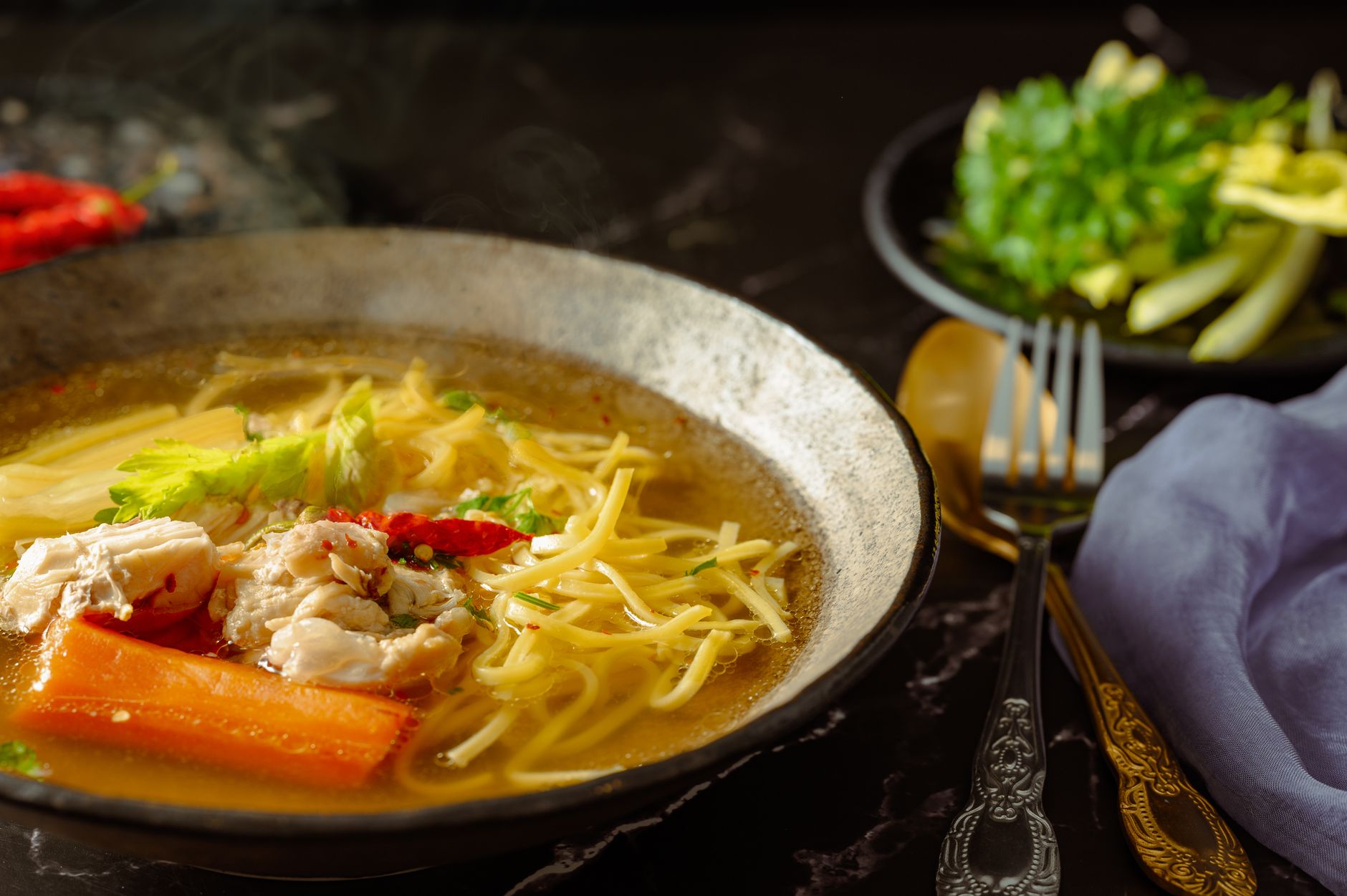
Chicken broth is a time-honored ingredient in many kitchens, known for its versatility and flavor. From soups to sauces, it’s an essential building block in countless recipes. However, understanding how long chicken broth lasts in the fridge is key to maintaining its quality and safety.
This article will explore the shelf life of chicken broth, storage tips, and signs of spoilage. Additionally, we’ll cover the differences between homemade and store-bought broth, as well as methods to extend its freshness.
How Long Is Chicken Broth Good For In The Fridge?
Chicken broth is typically good for 3 to 4 days when stored properly in the refrigerator. This time frame applies to both homemade and store-bought broth, although specific storage practices can affect longevity.
Understanding Chicken Broth
Chicken broth is made by simmering chicken and vegetables with water, creating a flavorful liquid used as a base for various dishes. The cooking process extracts flavors and nutrients, resulting in a nourishing broth.
There are two main types of chicken broth: homemade and store-bought. Both have distinct characteristics, and understanding their differences can help you make informed storage decisions.
Homemade Chicken Broth
Homemade chicken broth is often richer in flavor and nutrients due to the use of fresh ingredients. However, since it does not contain preservatives, it is crucial to handle and store it properly to avoid spoilage.
Store-Bought Chicken Broth
Store-bought chicken broth often contains preservatives that extend its shelf life. It may come in cartons or cans and can be a convenient option for busy cooks. However, even store-bought broth has a limited fridge life once opened.
Factors Affecting Shelf Life
Several factors influence how long chicken broth remains safe to consume in the fridge:
- Temperature: The refrigerator should consistently be at or below 40°F (4°C) to maintain the quality of chicken broth.
- Container: Storing chicken broth in an airtight container prevents contamination and oxidation, which can cause spoilage.
- Ingredients: The freshness of the ingredients used in homemade broth affects its longevity. Older ingredients can lead to faster spoilage.
Signs of Spoilage
It’s essential to check chicken broth for signs of spoilage before using it. Discard chicken broth if you notice any of the following:
- Off odor: Any sour or unusual smell indicates that the broth has gone bad.
- Color change: Fresh chicken broth should be a golden color. A cloudy or dull appearance may signify spoilage.
- Mold: Presence of mold or fluff on the surface is a clear sign that the broth should be thrown away.
- Unusual taste: If the broth tastes different from what you expect, it’s better to discard it.
Storing Chicken Broth Properly
To maximize the shelf life of chicken broth, follow these storage tips:
Homemade Chicken Broth Storage
- Cool the Broth: Allow the homemade broth to cool to room temperature before refrigerating. This helps maintain the temperature in the fridge.
- Use Airtight Containers: Store the broth in clean, airtight containers or jars to prevent contamination and preserve flavor.
- Label and Date: Always label your containers with the date you made the broth to keep track of its freshness.
Store-Bought Chicken Broth Storage
- Keep It Closed: Unopened cartons or cans of store-bought broth can be stored in a cool, dry place until needed.
- Refrigerate After Opening: Once opened, transfer the broth to an airtight container if it’s not already in one, and refrigerate immediately.
- Consume Quickly: Opened store-bought chicken broth should be consumed within 3 to 4 days for the best quality.
Freezing Chicken Broth for Long-Term Storage
If you want to preserve chicken broth for an extended period, freezing is an excellent option. Frozen chicken broth can last for up to 6 months without losing quality.
How to Freeze Chicken Broth
- Cool Completely: Allow the broth to cool completely before freezing to prevent ice crystals from forming.
- Portioning: Consider portioning the broth into smaller containers or ice cube trays. This allows you to thaw only what you need later.
- Use Freezer-Safe Containers: Store the broth in freezer-safe bags or containers, leaving some space for expansion as it freezes.
- Label and Date: Clearly label containers with the date and contents before placing them in the freezer.
Thawing Frozen Chicken Broth
When you’re ready to use frozen chicken broth, here are some safe thawing methods:
- Refrigerator: The safest and recommended method is to thaw broth in the refrigerator overnight.
- Microwave: For quicker thawing, use the defrost setting on your microwave, but be sure to stir frequently to prevent hot spots.
- Direct Heat: You can place frozen broth directly in a pot on low heat, stirring occasionally until fully thawed.
Cooking with Chicken Broth
Chicken broth is a versatile ingredient that can enhance the flavors of many dishes. Here are some common uses:
- Soups: Use broth as the base for homemade soups, adding vegetables, grains, or proteins for a hearty meal.
- Risottos: Stirring stock into risotto provides a rich flavor while cooking the grains to creamy perfection.
- Cooking Grains: Replace water with chicken broth when cooking rice, quinoa, or couscous for added flavor.
- Stews and Sauces: Broth adds depth to stews and sauces, enhancing the overall taste.
Common Mistakes When Storing Chicken Broth
To ensure chicken broth stays fresh longer, avoid these common mistakes:
- Not Cooling Properly: Placing hot broth directly in the refrigerator can raise the fridge temperature and spoil other foods.
- Using Non-Airtight Containers: Failing to use airtight containers can lead to oxidation and contamination.
- Ignoring Expiry Dates: For store-bought broth, always check the label for “use by” dates, and consume it within that timeframe after opening.
Conclusion
Understanding how long chicken broth is good for in the fridge is essential for food safety and minimizing waste. Proper storage practices can help you enjoy both homemade and store-bought broth for several days after preparation or opening. If you’re looking to keep it longer, consider freezing it for future use. Always check for signs of spoilage before using broth to ensure your meals remain safe and delicious.
For more information on food storage and meal prep, check out our guides on how long is cooked ground beef good in the fridge and how long chicken is good for in the fridge.