
In the culinary world, food presentation plays a crucial role, and knowing how to plan, prepare, and serve foods effectively can enhance the overall experience. “Which Food Long, Best, And Flores” invites exploration into food that is not only satisfying and flavorful but also visually appealing, promoting creativity in the kitchen.
This guide will delve into long-lasting food items, their unique characteristics, the best ways to prepare them, and even some insights on how to make dishes reflect the vibrant florals often found in gourmet cuisine. By combining knowledge about ingredients with practical cooking techniques, readers will be able to elevate everyday meals into visually stunning culinary creations.
What Foods Are Long Lasting, Best For Cooking, And Have Floral Notes?
When considering foods that are long-lasting, it is essential to look at ingredients that not only have a good shelf-life but also add depth of flavor often found in gourmet dishes. Some examples include:
- Root vegetables like potatoes, carrots, and beets.
- Cured meats such as prosciutto and salami.
- Grains including rice, quinoa, and wild rice.
- Beans and legumes, which are nutrient-dense and versatile.
- Herbs and spices, especially dried varieties.
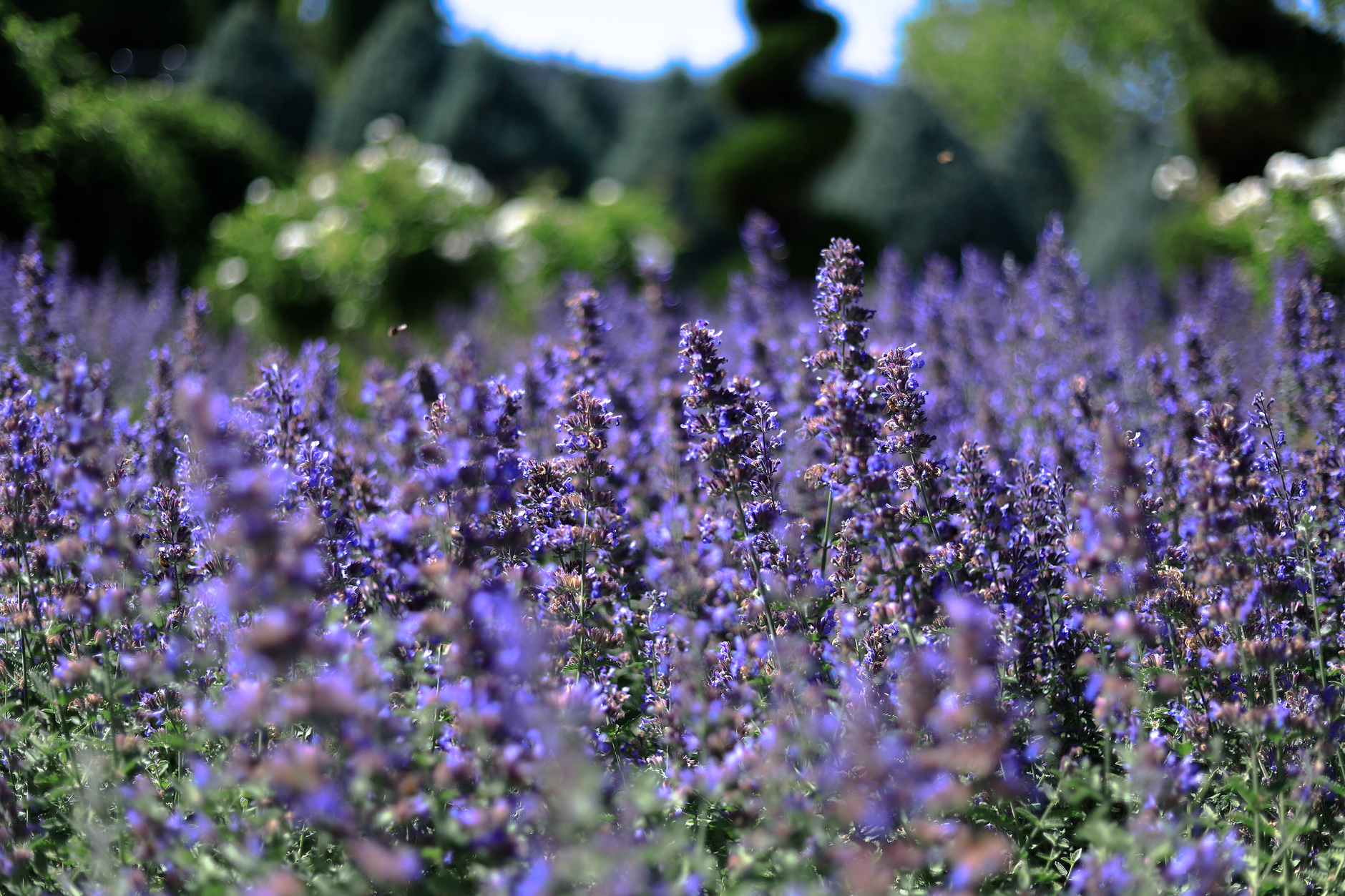
- Floral elements like edible flowers, lavender, and elderflower syrup.
These foods not only last longer when stored properly but can also contribute to a variety of flavors in dishes. Understanding the best ways to cook and pair these ingredients will further enhance culinary creations.
Understanding Long-Lasting Ingredients
Long-lasting foods are advantageous for meal prep, stocking the pantry, and ensuring quick access to nutritious ingredients. Here’s a closer look at these categories:
Root Vegetables
Root vegetables such as potatoes, carrots, and beets can last for weeks or even months if stored properly in a cool, dark place. They provide a wonderful base for many dishes and can be roasted, mashed, or added to soups.
Cured Meats
Cured meats like salami and prosciutto fare well in terms of storage. They can enhance the flavor profile of various dishes, from charcuterie boards to pasta meals. Make sure to keep them sealed in the refrigerator for optimal freshness.
Grains and Legumes
Grains such as rice and quinoa boast long shelf lives and are remarkably versatile. They can form the basis of salads, sides, or main dishes. Similarly, beans and lentils are excellent protein sources, great for soups and stews.
Herbs and Spices
Dried herbs and spices can add significant flavor without the risk of spoilage. Incorporating different herbs can elevate the palate; however, always check for freshness as they can lose potency over time.
Floral Notes in Cooking
Edible flowers like nasturtiums and violets not only add beauty to dishes but also a unique flavor twist. Utilizing floral syrups or extracts, such as elderflower or lavender, can impart sweetness and aroma to desserts and cocktails.
Best Practices for Cooking Long-Lasting Foods
Cooking with long-lasting ingredients requires a few strategic approaches to maximize their flavor and longevity:
Proper Storage Techniques
Ensure each ingredient is stored correctly. Root vegetables should be kept cool and dry, while grains and legumes should be sealed in airtight containers. Cured meats require refrigeration, and dried herbs should be stored away from light and heat.
Creative Cooking Methods
Experimenting with different cooking methods can yield diverse results. Blanching vegetables retains color and vitamins; roasting enhances sweetness; while slow-cooking legumes develops flavor.
Flavor Pairing
Understanding how different flavors complement each other can enhance your dishes. For instance, pairing earthy beets with goat cheese, or using fragrant rosemary with roasted potatoes can create beautifully complex dishes.
Incorporating Floral Elements Into Your Dishes
Floral elements can bring not only elegance but also flavor to various dishes. Below are some practical uses for floral ingredients:
Edible Flowers
Many edible flowers, such as nasturtiums and pansies, can be used in salads or as garnishes. They add color, a slight peppery flavor, and a touch of sophistication to any dish.
Infusions and Syrups
Creating infusions or syrups from floral ingredients can add a twist to beverages and desserts. For instance, lavender syrup can enhance lemonade, while elderflower syrup can be a delightful addition to cocktails.
Flavor Enhancements
Use dried floral teas or powder like hibiscus or chamomile in baking for flavor. These can infuse cakes with a subtle floral aroma. Consider steeping floral teas in milk or water for desserts such as panna cotta or custards.
Practical Recipe Ideas Featuring Long-Lasting Ingredients and Floral Notes
Now that we have discussed the types of long-lasting foods and the incorporation of floral elements, let’s move into practical recipe ideas that can brighten your meals.
Root Vegetable and Quinoa Salad with Lavender Vinaigrette
This salad combines the nutritional profile of root vegetables and quinoa, finished with a fragrant lavender vinaigrette that adds a floral note.
Yield: 4 servings
Preparation Time: 15 minutes
Cooking Time: 20 minutes
Total Time: 35 minutes
Ingredients:
- 1 cup quinoa, rinsed
- 2 cups vegetable broth or water
- 2 cups mixed root vegetables (carrots, beets, sweet potatoes), diced
- 2 tablespoons olive oil
- 1 tablespoon honey
- 1 teaspoon dried lavender
- Salt and pepper, to taste
- Fresh parsley, chopped for garnish
Essential Equipment:
- Medium saucepan
- Baking sheet
- Mixing bowl
- Whisk
- Knife and cutting board
Method:
- Preheat your oven to 400°F (200°C). Line a baking sheet with parchment paper.
- On the baking sheet, toss diced root vegetables with olive oil, salt, and pepper. Spread evenly and roast for about 20 minutes or until tender and slightly caramelized.
- While the vegetables are roasting, combine quinoa and vegetable broth in a medium saucepan. Bring to a boil, then reduce heat and simmer for 15 minutes or until quinoa is fluffy and liquid is absorbed. Remove from heat and let sit.
- In a mixing bowl, whisk together honey, dried lavender, remaining olive oil, and a pinch of salt. Adjust flavors to taste.
- Once roasted vegetables are ready, combine quinoa, vegetables, and lavender vinaigrette in a large bowl. Toss to combine.
- Serve warm or at room temperature, garnished with fresh parsley.
This delicious salad can be made in advance, making it perfect for meal prep. It will last in the refrigerator for up to three days.
Cured Meat Platter with Edible Flowers
Creating a beautiful charcuterie platter is straightforward and can feature various items with a long shelf-life.
Yield: 4 servings
Preparation Time: 20 minutes
Ingredients:
- Assorted cured meats (salami, prosciutto, chorizo)
- Cheese selection (brie, aged cheddar, goat cheese)
- Crackers and/or bread
- Olives and pickles
- Seasonal fresh fruits (grapes, figs, or apple slices)
- Edible flowers (such as nasturtiums or violets)
- Honey or mustard for dipping
Essential Equipment:
- Cheese board or platter
- Knife for slicing
- Small bowls for dips
Method:
- On your cheese board or platter, arrange the assorted cured meats and cheese varieties artistically.
- Add crackers or slices of bread around the meats and cheeses.
- Fill in gaps with olives, pickles, and seasonal fruits.
- Finish with a few scattered edible flowers for an elegant touch.
- Serve with honey or mustard in small bowls.
This vibrant platter serves as an excellent appetizer for gatherings or a delightful snack option. The cured meats and cheeses can last up to several weeks when stored correctly.
Common Mistakes and Troubleshooting
While preparing dishes featuring long-lasting foods and floral elements, several common pitfalls may arise:
Overcooking Vegetables
Root vegetables, when overcooked, can become mushy. Keep an eye during roasting to achieve the perfect caramelization without losing texture.
Ignoring Flavor Balance
When incorporating floral elements like lavender or elderflower, ensure they are used sparingly. Too much can overpower a dish, leading to a bitter flavor experience.
Storage Errors
Storing cured meats and cheeses outside of the refrigerator can lead to spoilage. Always double-check storage recommendations for each food type to ensure their longevity.
Storage and Reheating Guidance
For maximum freshness and longevity:
- Store cooked grains and beans in airtight containers in the fridge, where they can last for up to five days.
- Whole root vegetables, like potatoes and carrots, do well in a cool, dry place. Avoid humidity.
- Cured meats can be stored in the fridge but should ideally be consumed within two weeks once opened.
Reheating cooked dishes can be effectively done on the stovetop or in the oven to retain their texture. Ensure thorough heating to avoid cold spots.
Conclusion
Understanding which foods are long-lasting and how to incorporate floral elements can elevate home cooking to new heights. By utilizing the ingredients outlined, one can create stunning and nutritious meals that not only taste great but also look visually appealing. Explore different cooking methods, play with flavors, and do not forget to let your creativity shine!
If you’re looking for more delicious cooking guides, check out our articles on how long to bake boneless pork chops or how long to air fry boneless skinless chicken thighs for more practical cooking tips.