
Duck sauce is a popular condiment often served alongside Chinese dishes such as spring rolls and chicken. This sweet, tangy, and slightly fruity sauce has captivated the taste buds of many, raising questions about its unique name and culinary uses.
While the name might lead you to think it’s made from duck, the actual ingredients tell a different story. Let’s delve into why it’s called duck sauce, its origins, and explore its myriad uses in the kitchen.
Why Do They Call It Duck Sauce?
The term “duck sauce” actually originates from the practice of serving the sauce alongside roasted duck dishes in Chinese cuisine, particularly in Cantonese cooking. It was a common dip for various duck dishes, which is how the name became associated with the sauce.
Duck sauce typically comprises a blend of fruity ingredients, such as apricots or peaches, along with vinegar and sugar. This sweet-and-sour flavor profile harmonizes perfectly with crispy fried foods and savory meats, making it a staple in Chinese-American restaurants and takeout establishments.
The Ingredients of Duck Sauce
While recipes can vary, traditional duck sauce generally includes the following ingredients:
- Apricot or peach puree
- Vinegar (typically rice vinegar or white vinegar)
- Sugar
- Water
- Salt
- Various spices (such as garlic or ginger) for added flavor
Flavor Profile and Texture
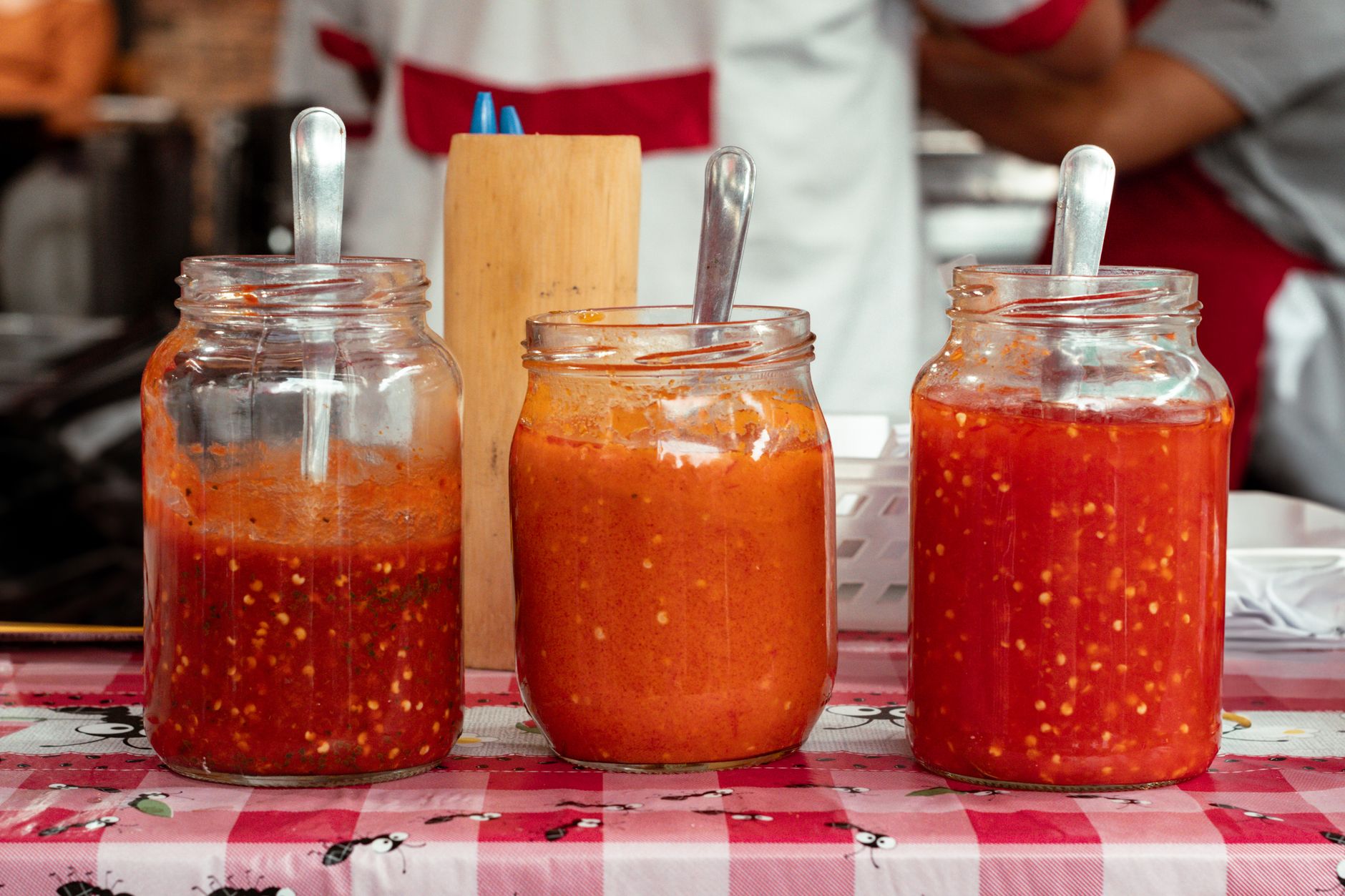
Duck sauce is known for its vibrant orange hue and smooth texture. The sweetness of the fruit is balanced by the acidity of the vinegar, creating a complex flavor that pairs well with a range of dishes. It’s often described as sweet and tangy with a slight fruitiness, providing a delightful contrast to salty or savory food.
Culinary Uses of Duck Sauce
Part of duck sauce’s appeal lies in its versatility. Here are some common culinary applications:
As a Dipping Sauce
The most popular use of duck sauce is as a dipping sauce for appetizers. It perfectly complements fried foods like:
- Spring rolls
- Egg rolls
- Fried wontons
- Crab rangoons
Its sweetness contrasts beautifully with the savory flavors of these dishes, enhancing the overall eating experience.
Base for Marinades and Glazes
Duck sauce can also serve as a flavorful base for marinades or glazes for meats. To use it as a marinade:
- Combine duck sauce with soy sauce, garlic, and ginger for an Asian-inspired flavor profile.
- Select your protein, such as chicken, pork, or tofu.
- Marinate the protein for at least 30 minutes.
- Grill, bake, or stir-fry the marinated protein as desired.
This method infuses your dish with a lovely sweetness and enhances the overall flavors.
In Stir-Fries
Duck sauce can add a unique twist to stir-fries. When included towards the end of cooking, it brings a delightful sweetness that balances the dish. Consider adding duck sauce to a stir-fry with:
- Vegetables like bell peppers, broccoli, and carrots
- Your protein of choice (e.g., beef, chicken, shrimp)
- Cooked rice or noodles
Add the duck sauce in the last few minutes of cooking for the best flavor impact.
Salad Dressings
For a creative salad dressing, consider mixing duck sauce with olive oil, vinegar, and a pinch of salt. This sweet-and-sour vinaigrette works well with mixed greens, fruits, and nuts, making it a delightful topping for salads. You can adjust the ratios depending on the sweetness or acidity desired.
Making Your Own Duck Sauce
Making your own duck sauce is simple and allows you to adjust the flavor to suit your preferences. Here’s a basic recipe:
Ingredients
- 1 cup apricot jam or preserves
- 1/4 cup rice vinegar
- 2 tablespoons soy sauce
- 1 tablespoon grated fresh ginger (optional)
- 1/4 teaspoon garlic powder or crushed garlic
Instructions
- In a medium saucepan, combine the apricot jam, rice vinegar, soy sauce, ginger, and garlic.
- Heat over medium heat, stirring constantly until the mixture reaches a simmer.
- Once simmering, reduce the heat to low and allow it to simmer for about 5 minutes, stirring occasionally.
- Remove from heat and let cool. Transfer to an airtight container and refrigerate.
This homemade version can be stored in the refrigerator for up to two weeks, depending on the freshness of the ingredients.
Substitutions and Variations
If you’re looking to customize your duck sauce or accommodate dietary preferences, here are some substitutions and variations to consider:
Fruit Options
While traditional duck sauce often uses apricot, feel free to experiment with other fruits:
- Peach jam or preserves
- Mango puree or jam
- Pineapple for a tropical twist
These alternatives can alter the sweetness and flavor profile of the sauce.
Sugar Alternatives
If you prefer a lower sugar option, consider using:
- Honey or agave syrup for natural sweetness
- Stevia or another sugar substitute for a zero-calorie option
Spice it Up
For those who enjoy a bit of heat, adding chili paste or sriracha can spice up the duck sauce while also adding depth of flavor. Adjust the heat level to your preference.
Common Mistakes and Troubleshooting
When making or using duck sauce, here are some common pitfalls to avoid:
1. Overly Thick Sauce
If your duck sauce becomes too thick during cooking, add a splash of water or additional vinegar to achieve the desired consistency. Adjust the flavor accordingly.
2. Imbalanced Flavor
If your sauce is overly sweet, try balancing it out with a bit of extra vinegar or soy sauce. If it’s too sour, mix in more fruit preserves to sweeten it up.
3. Storing Incorrectly
Always store any homemade duck sauce in an airtight container in the refrigerator to ensure freshness. Avoid leaving it out at room temperature for extended periods, as it could spoil.
Serving Suggestions
Duck sauce can elevate various dishes when paired correctly. Here are some serving suggestions:
- Pair it with crispy duck or chicken dishes for a classic experience.
- Serve alongside fried rice or lo mein for an extra flavor boost.
- Include it on a dipping platter with an assortment of appetizers for gatherings or parties.
Pairing with Drinks
When serving duck sauce as part of a meal, consider drink pairings. Light and refreshing beverages such as fruit-flavored iced teas or citrusy cocktails can complement the sweetness of the sauce beautifully.
How to Use Leftover Duck Sauce
If you find yourself with leftover duck sauce, here are some creative ideas to use it up:
1. Glaze for Roasted Vegetables
Brush duck sauce onto vegetables such as carrots, sweet potatoes, or Brussels sprouts before roasting to add a sweet crust.
2. Add to Soups and Stews
A spoonful of duck sauce can brighten flavors in soups and stews, particularly those with Asian-inspired ingredients.
3. In Meatballs
Incorporate duck sauce into meatball mixtures for added flavor and moisture. It can transform an ordinary dish into something special.
The Cultural Significance of Duck Sauce
Duck sauce embodies the fusion of cultures and culinary innovation. It serves as a testament to how Chinese cuisine has evolved in different contexts, especially in the United States. Understanding its name can shed light on the cultural practices surrounding food pairing and flavor combinations.
Conclusion
Duck sauce is more than just a sweet condiment; it represents a blend of flavors, creativity, and cultural significance in the culinary world. Whether used as a dipping sauce or a marinade, its versatility shines through, inviting experimentation and personalization.
For those eager to explore similar flavors and recipes, you may want to try out a general tso sauce recipe or a kung pao sauce recipe to continue your journey through Asian-inspired cuisine.