
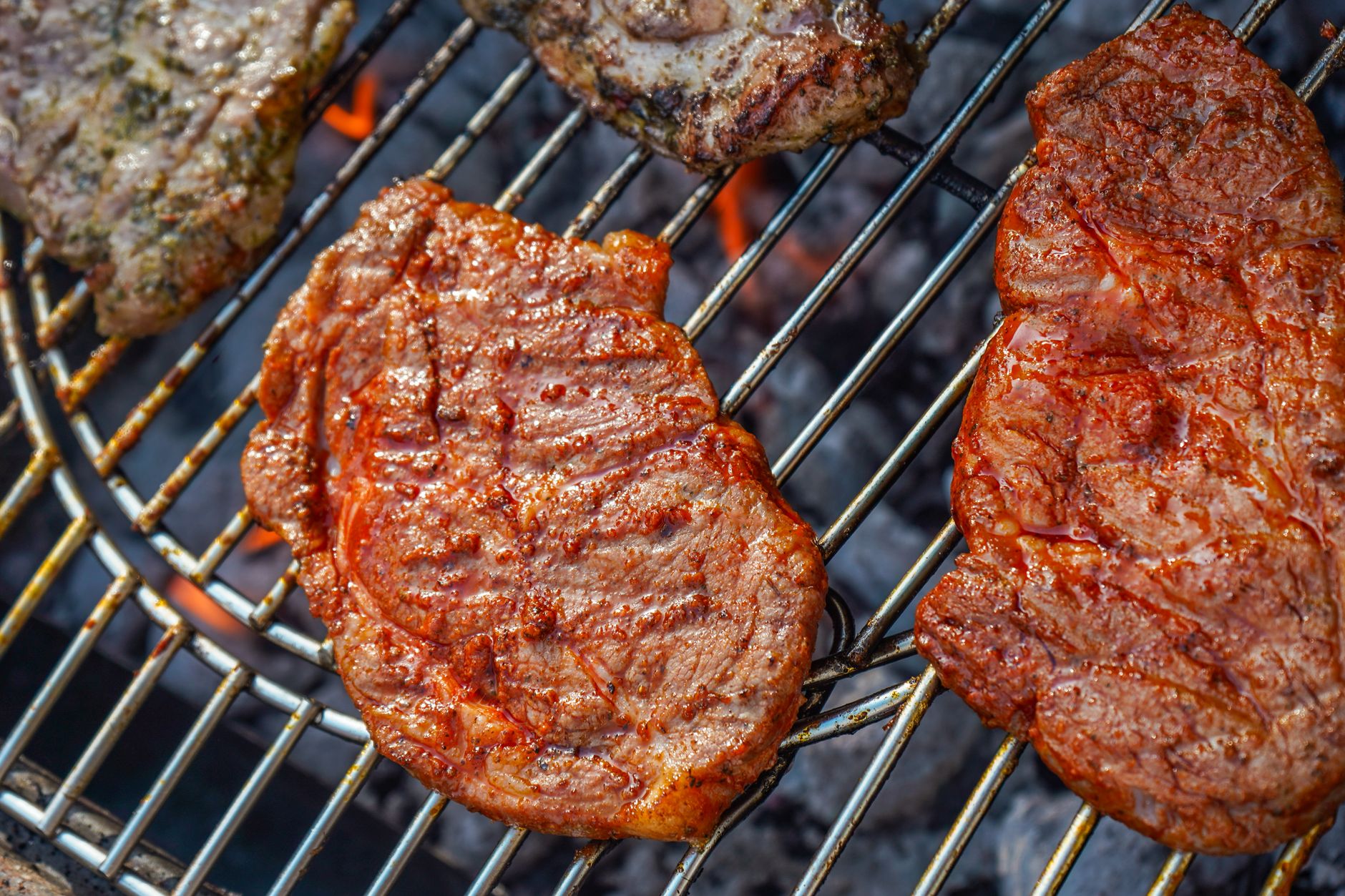
Understanding whether steak is kosher involves more than just checking the cut of meat; it encompasses a range of factors including the animal’s species, its preparation, and compliance with dietary laws. For those who practice kosher dietary laws or are simply curious, knowing the ins and outs of what makes steak kosher can greatly enhance your dining experiences.
This article will explore the essential criteria that determine kosher steak, how to identify kosher labels, what ingredients to consider, and alternatives for those adhering to dietary restrictions. Whether you’re planning a special dinner or looking to deepen your culinary knowledge, this guide will equip you with the necessary insights.
Is Steak Kosher?
Yes, steak can be kosher, but certain conditions must be met. The meat must come from a kosher animal, be slaughtered in accordance with Jewish law, and be prepared free of any non-kosher ingredients. Understanding these conditions will help you make informed choices when selecting steak for your meals.
Criteria for Kosher Steak
To determine if steak is kosher, several essential criteria must be fulfilled:
1. The Source: Kosher Animals
Only specific animals are considered kosher. According to kosher laws, the following conditions apply:
- The animal must have cloven hooves and chew its cud. Common kosher animals include cattle, sheep, and goats.
- Pork and shellfish are not kosher and should be avoided when searching for kosher options.
2. Proper Slaughtering Method
Even if the animal is kosher by species, the method of slaughtering is crucial. The animal must be slaughtered by a trained individual, known as a shochet, who follows strict guidelines:
- The slaughter must be performed using a sharp, unblemished knife to minimize pain.
- The blood must be fully drained from the meat, as consuming blood is not kosher.
3. Kosher Certification
When purchasing steak, look for a reliable kosher certification on the packaging. This ensures the meat complies with kosher laws throughout the processing and packaging stages. Common symbols include OU (Orthodox Union), OK, and Star-K. Always check for the certification to avoid uncertainty.
4. Avoiding Non-Kosher Ingredients
If you’re prepared to cook steak at home, be aware that non-kosher ingredients can sneak in during preparation. This includes:
- Marinades containing wine or animal products that aren’t kosher.
- Utensils or cookware that may have come into contact with non-kosher foods.
Identifying Kosher Labels
When shopping for steak, understanding the labeling can save time and ensure compliance with kosher laws. Here are the key points to note:
Understanding Kosher Symbols
Kosher products will generally have a symbol denoting certification. Here are some common symbols you might encounter:
| Symbol | Description |
|---|---|
| OU | Orthodox Union; widely recognized certification. |
| OK | Certifies that the food adheres to kosher standards. |
| CRC | Cincinnati Rabbinical Council; assures adherence to kosher guidelines |
Reading Ingredients
Even with a kosher label, check ingredient lists carefully. Some common non-kosher additives you may find in meats include:
- Gelatin from non-kosher animals.
- Certain flavor enhancers or preservatives that are not kosher.
Preparing Kosher Steak
Once you’ve chosen a cut of kosher steak, it’s important to prepare it correctly. Here are some essential steps for cooking delicious kosher steak:
1. Tools and Equipment
Before cooking, make sure you have the following equipment:
- Sharp knife (designated for kosher use).
- Cutting board (also used only for kosher foods).
- Grill or stovetop skillet.
2. Preparation Steps
- Rinse the steak under cold water to clean it.
- Pat dry with a paper towel to remove excess moisture.
- Season the steak generously with spices and kosher salt—avoid any non-kosher marinades.
- Let it sit for at least 30 minutes at room temperature to absorb flavors.
3. Cooking the Steak
Cooking methods can vary, but here are some effective ways to prepare kosher steak:
- Grilling: A popular method that enhances the steak’s natural flavors.
- Pan-searing: Creates a delicious crust while keeping the inside juicy.
Common Mistakes in Kosher Steak Preparation
Even seasoned cooks can make mistakes when preparing kosher steak. Here are some common pitfalls to avoid:
- Using utensils or surfaces that have been in contact with non-kosher foods.
- Neglecting to check the certification on packaged meat.
- Failing to fully drain meat of blood before cooking.
Kosher Steak Alternatives
If steak isn’t available or you’re looking for alternatives that are also kosher, consider these options:
1. Chicken and Turkey
Poultry is often a preferred kosher alternative. Both chicken and turkey are versatile for various recipes, from roasting to grilling.
2. Fish
Fish can also be kosher, but ensure they have fins and scales. Some popular kosher fish include salmon, trout, and tilapia.
3. Plant-Based Alternatives
For those seeking vegetarian or vegan options, consider plant-based alternatives that can mimic the texture and flavor of steak, such as:
- Seitan: Often referred to as “wheat meat,” it has a chewy texture.
- Tofu: Absorbs flavors well and can be prepared in various ways.
Cooking Delicious Kosher Steak: Recipe
Here’s a simple recipe for preparing a juicy kosher steak to perfection.
Yield
Serves 2
Preparation Time
10 minutes
Cooking Time
15 minutes
Total Time
25 minutes
Ingredients
- 2 boneless ribeye steaks (1-inch thick)
- 2 tablespoons of kosher salt
- 1 tablespoon of freshly ground black pepper
- 2 tablespoons olive oil
- Optional: fresh herbs for garnish (rosemary or thyme)
Essential Equipment
- Grill or skillet
- Meat thermometer
- Sharp knife
- Cutting board
Method
- Preheat your grill or skillet over medium-high heat.
- Season both sides of the steaks with kosher salt and black pepper, pressing the seasoning into the meat.
- Add olive oil to the skillet (or brush on the grill) before placing the steaks in to avoid sticking.
- Cook the steaks for about 4-5 minutes per side for medium-rare, flipping once. Use a meat thermometer to check for desired doneness (130–135°F for medium-rare).
- Remove the steaks from heat and let rest for 5 minutes before slicing to allow juices to redistribute.
- Optional: garnish with fresh herbs before serving.
Storage and Reheating
Proper storage is essential to maintain the quality of your kosher steak:
- Store cooked steak in a sealed container in the refrigerator for up to 3 days.
- Reheat in an oven or skillet over low heat to retain tenderness. Never reheat directly in a microwave as it may toughen the meat.
Key Takeaways
When considering whether steak is kosher, a well-rounded understanding of kosher laws is essential. From the type of animal to the preparation process, each detail matters. Always check certification labels when shopping and be mindful of cross-contamination. Embrace the flexibility of alternative proteins if steak is not the right fit for your meal.
Explore recipes like steak seasoning or baked steak for further culinary inspiration. Embracing kosher practices can lead to incredible meals that respect dietary laws while being delicious and satisfying.