
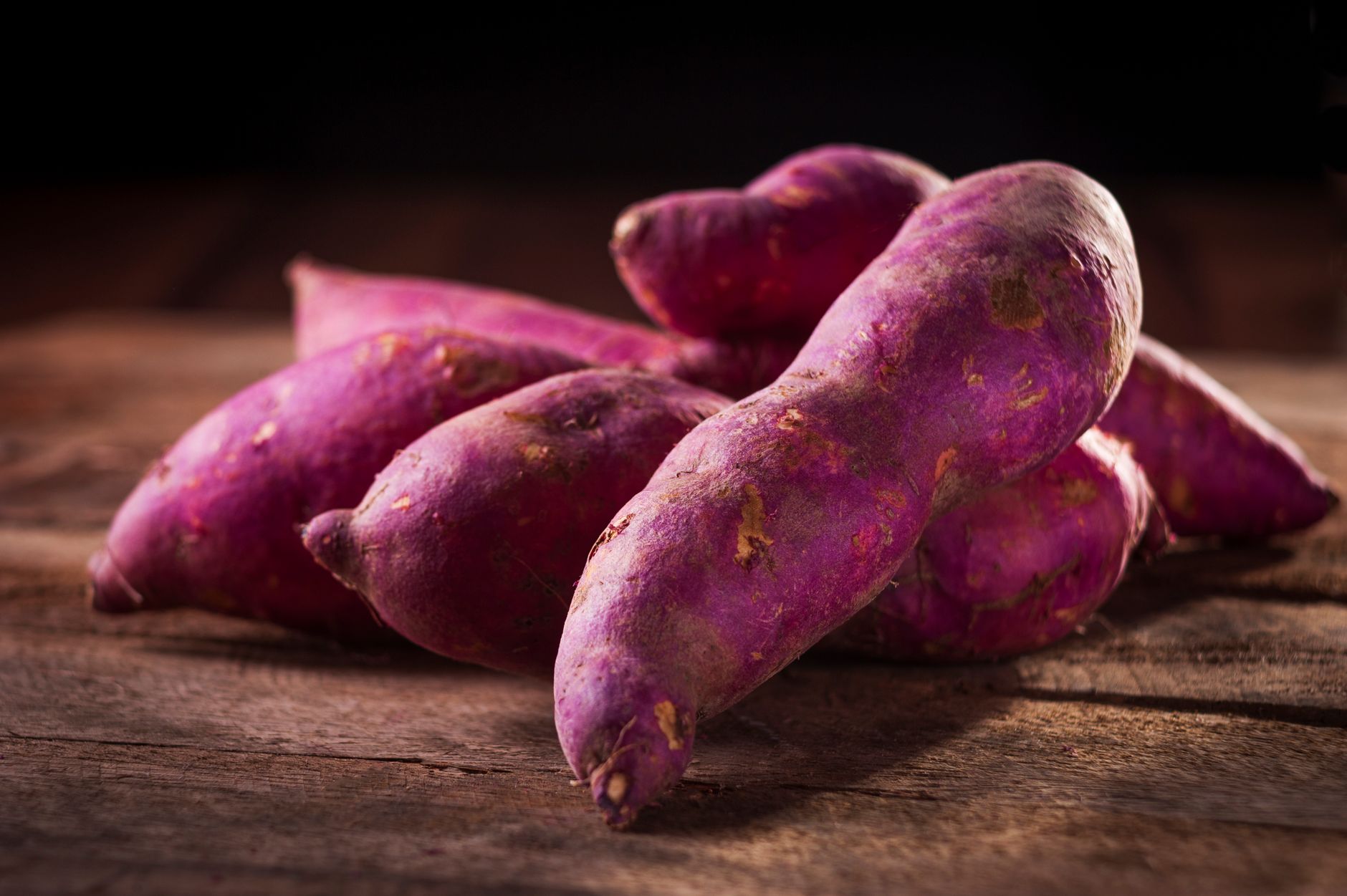
Sweet potato skin is often overlooked in favor of the tender, sweet flesh inside, but it can actually contribute flavor, texture, and nutrition to your meals. Packed with fiber and nutrients, sweet potato skin can add a wholesome element to various dishes. If you’ve ever wondered whether it’s safe and beneficial to eat sweet potato skin, this guide will provide you with all the facts and culinary uses.
This comprehensive article will delve into the nutritional benefits of sweet potato skins, preparation methods, cooking techniques, and tips for including them in your meals. Let’s explore whether you can eat sweet potato skin and how to make the most of this oft-neglected part of the vegetable!
Can I Eat Sweet Potato Skin?
Yes, you can eat sweet potato skin! In fact, the skin contains a notable amount of nutrients, including fiber, vitamins, and antioxidants. When properly prepared and cooked, the skin adds an inviting texture and flavor to your dishes. However, it’s essential to wash the sweet potatoes thoroughly to remove any dirt and pesticides before cooking and consuming them.
Nutritional Benefits of Sweet Potato Skin
Sweet potato skins are not only edible but also nutritious. Here are some benefits of including the skin in your diet:
- Rich in Fiber: The skin contains a significant amount of dietary fiber, which supports digestive health and helps maintain a feeling of fullness.
- Vitamins and Minerals: Sweet potato skin contains vitamins A, C, and several B vitamins, as well as minerals like potassium, calcium, and iron.
- Antioxidants: The skin is a good source of antioxidants, which help combat oxidative stress in the body. These antioxidants include beneficial compounds such as carotenoids and flavonoids.
- Low in Calories: Sweet potato skin is low in calories, making it a smart choice for those looking to add volume and nutrition to their meals without a high-calorie count.
How to Prepare Sweet Potatoes with Skin
Preparing sweet potatoes while keeping the skin intact is simple. Here are steps to ensure they are clean and ready for cooking:
- Choose Fresh Sweet Potatoes: Look for firm, smooth-skinned sweet potatoes without cracks or blemishes.
- Wash Thoroughly: Use a vegetable brush under running water to scrub the skins and remove any dirt or residue. This is critical for safe consumption.
- Peeling (Optional): If you prefer not to consume the skin for aesthetic or textural reasons, you can peel them away using a vegetable peeler. However, keep in mind that you’ll lose some nutrients.
- Cut as Desired: Depending on your recipe, you can slice, cube, or leave the sweet potatoes whole.
Cooking Techniques for Sweet Potatoes with Skin
There are several cooking methods that you can use to enjoy sweet potatoes with skin on. The choice depends on your meal preference and the desired texture. Here are some popular methods:
1. Baking
Baking sweet potatoes with their skins results in a tender inside while retaining a slightly crispy skin. Here’s how to do it:
- Preheat: Preheat your oven to 400°F (200°C).
- Prep: Place the washed sweet potatoes on a baking sheet lined with parchment paper.
- Season: Optional: Drizzle with olive oil and sprinkle with salt for extra flavor.
- Bake: Bake for 45 minutes to 1 hour, depending on the size of the sweet potatoes, until a fork easily pierces through.
- Serve: Let cool slightly before serving. You can enjoy them whole or mash them with your favorite toppings.
2. Boiling
Boiling sweet potatoes with skin retains moisture and flavor. Here’s how:
- Prep: Cut the washed sweet potatoes into uniform chunks for even cooking.
- Boil: Place them in a pot of boiling salted water and cook for 15-20 minutes until soft.
- Drain: Drain and cool before peeling if desired, or leave the skin on when mashing.
3. Roasting
Roasting sweet potatoes with skin enhances their natural sweetness and adds texture. Follow these steps:
- Preheat: Preheat the oven to 425°F (220°C).
- Slice: Slice the sweet potatoes into wedges or rounds.
- Toss: Toss with olive oil, salt, and spices of your choice.
- Roast: Spread on a baking sheet and roast for 25-30 minutes, flipping halfway through, until golden brown.
4. Steaming
Steaming sweet potatoes preserves their nutrients and keeps the skin intact. To steam:
- Prep: Cut washed sweet potatoes into chunks.
- Steam: Place in a steamer basket over boiling water and cover. Steam for 15-20 minutes until tender.
Using Sweet Potato Skins in Your Cooking
Incorporating sweet potato skins into your meals can elevate both flavor and nutrition. Here are several ways to enjoy them:
1. Sweet Potato Skin Chips
Sweet potato skin can be transformed into crispy, flavorful chips, perfect for snacking.
- Prepare Skins: After peeling and washing sweet potatoes, ensure the skins are dry.
- Toss with Oil and Seasoning: Toss the skins with olive oil, salt, and seasonings like paprika or garlic powder.
- Bake: Spread them on a baking sheet and bake at 400°F (200°C) for 10-15 minutes or until crispy.
- Cool and Serve: Let cool before serving as a tasty snack.
2. Adding to Soups and Stews
Chop sweet potato skin into small pieces and add it to hearty soups or stews. This adds both nutrients and a pleasant texture.
3. Sweet Potato Hash
For a breakfast option, combine diced sweet potatoes with their skins in a skillet with onions, peppers, and spices. Sauté until golden brown for a delicious side dish or breakfast hash.
4. Smoothies
If blended properly, well-washed sweet potato skins can also be added to smoothies for a nutritional boost. They will need extra blending to achieve a smooth consistency.
Common Mistakes and Troubleshooting
While cooking with sweet potato skins can be straightforward, there are a few common pitfalls to avoid:
- Not Washing Thoroughly: Make sure to wash your sweet potatoes well to remove any dirt or pesticides.
- Overcooking: Keep an eye on cooking times, especially when baking or boiling, to ensure they don’t become mushy.
- Ignoring Flavoring: Season your sweet potatoes well; their skins can benefit from herbs and spices.
- Choosing Low-Quality Potatoes: Always choose firm and unblemished sweet potatoes for the best results.
Storage Tips for Sweet Potatoes and Skins
To keep your sweet potatoes and their skins fresh, follow these storage tips:
- Raw Sweet Potatoes: Store in a cool, dark place with good ventilation. Avoid refrigerating, which can alter texture and flavor.
- Cooked Sweet Potatoes: Allow to cool fully, then store in an airtight container in the refrigerator for 3-5 days.
- Freezing: For longer storage, cooked and mashed sweet potatoes can be frozen for up to six months. When freezing skins or whole sweet potatoes, be aware the texture may change once reheated.
Creative Recipe Ideas Incorporating Sweet Potato Skin
Here are some additional creative ways to include sweet potato skin in your meals:
1. Loaded Sweet Potato Skins
After baking sweet potatoes, scoop out some flesh and mix it with cheese, sour cream, green onions, and spices. Refill the skins and bake again for a delicious side or appetizer.
2. Sweet Potato Pancakes
Add finely grated sweet potato skins to your pancake batter for a nutrient boost in breakfast pancakes.
3. Sweet Potato Skin Salad
Use leftover roasted sweet potato skins as a crunchy topping in salads for added texture and flavor.
Conclusion
Sweet potato skins are not only safe to eat but also offer various nutritional benefits and culinary possibilities. From baking and boiling to roasting and integrating into salads and snacks, sweet potato skins can enhance both flavor and texture in your dishes. By incorporating the skins, you not only reduce food waste but also make your meals more nutritious.
Next time you’re in the kitchen, don’t hesitate to keep the sweet potato skin on. Experiment with different cooking methods and get creative with how you use them in your meals. For more ideas, you might enjoy trying out recipes like sweet potato cornbread or exploring the white sweet potato recipe for more delicious options.