
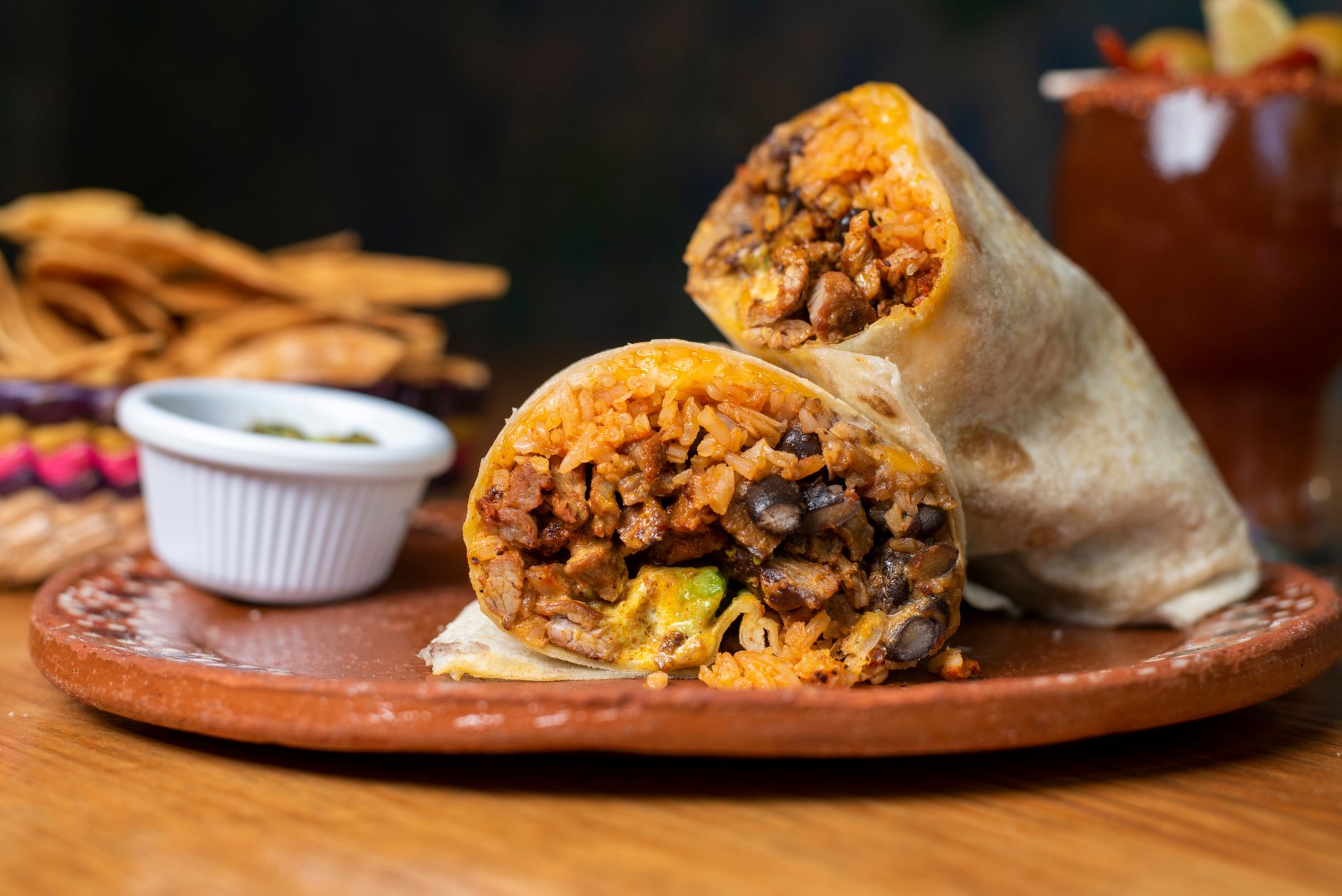
As fast-casual dining options grow, Chipotle has emerged as a popular choice for people looking for flavorful and customizable meals. However, the question of whether Chipotle is considered a healthy option remains a topic of debate. With its emphasis on fresh ingredients and build-your-own meals, many wonder what nutritional value they can expect from their Chipotle orders.
This article explores the nutritional aspects of Chipotle’s offerings, portion sizes, potential health benefits, and some pitfalls to be aware of, helping you make informed choices when dining at this popular chain.
Is Chipotle Considered Healthy?
Chipotle can be considered healthy depending on the choices you make when ordering. The restaurant offers a variety of fresh ingredients, including vegetables, whole grains, and lean proteins. However, the calorie and fat content can increase significantly depending on the toppings and sides you choose.
Nutritional Breakdown of Chipotle Menu Items
Understanding the nutritional content of Chipotle meals is crucial. The main components of a Chipotle order include the base, protein, toppings, and sides. Below is a breakdown of typical ingredients and their nutritional aspects.
Bases
- Cilantro-Lime Rice: Offers a flavorful start, with brown rice containing more fiber than white rice. A standard serving (approximately 4 oz) contains around 200 calories.
- Beans: Black or pinto beans are a great source of protein and fiber, with roughly 120 calories per serving (approximately 4 oz).
- Lettuce: Negligible in calories but adds crunch and volume, making meals feel larger without adding extra calories.
- Tortillas: A flour tortilla contains around 300 calories while a corn tortilla has about 110 calories.
Protein Options
- Chicken: A popular choice, providing around 180 calories and 32 grams of protein per serving (about 4 oz).
- Steak: Offers richer flavor, with approximately 250 calories and 25 grams of protein.
- Barbacoa: Seasoned beef that delivers around 170 calories and 24 grams of protein.
- Vegetarian Options: Sofritas (tofu) provide about 150 calories with a plant-based protein source.
- Carnitas: Pork option with the highest calorie count, around 210 calories per serving.
Toppings
- Salsa: Both fresh tomato salsa and corn salsa are low in calories, around 25-80 calories per serving.
- Cheese: Adds flavor and richness but can increase total caloric intake with around 110 calories per serving.
- Sour Cream: Adds fat and creaminess, with about 120 calories per serving.
- Guacamole: A well-loved addition packed with healthy fats, but can contribute 230 calories per serving.
Sides
- Chips: A snack or addition, offering about 540 calories for a serving with guacamole.
- Queso: An indulgent addition with around 150 calories for a standard serving.
Understanding Portion Sizes
Portion sizes are crucial at Chipotle. It is relatively easy to add calorie-dense toppings, which can quickly elevate the meal’s overall calorie count. Chipotle encourages customization, allowing you to choose how much of each ingredient you want. Being mindful of how each option contributes to your total can help you maintain a balanced meal.
Practical Tips for Healthier Choices
- Choose a Bowl: Starting with a salad or a bowl instead of burritos can help eliminate heavy tortillas.
- Limit High-Calorie Toppings: Consider reducing or skipping sour cream and guacamole, or request small portions to enjoy the flavors without too many calories.
- Opt for Brown Rice or Beans: Both of these options contain more nutrients and fiber than white rice alone.
- Go Easy on Cheese: Ask for light cheese or skip it to lower calorie intake without sacrificing too much flavor.
- Pair with Water: Instead of sugary drinks, water or unsweetened iced tea keeps calories in check.
Health Benefits of Chipotle Ingredients
Chipotle prides itself on using fresh, real ingredients that can contribute positively to your diet. Several components stand out in terms of health benefits:
High Protein:
Ingredients like chicken, steak, and beans are excellent sources of protein, which is essential for muscle repair and growth, satiety, and overall health.
Fiber-Rich Foods:
Beans, brown rice, and most vegetable options provide fiber, which aids digestion and helps maintain a healthy weight.
Nutrient-Dense Components:
Vegetables, salsas, and guacamole add essential vitamins, minerals, and healthy fats, making meals well-rounded when included in moderation.
Potential Concerns and Pitfalls
While Chipotle provides many healthy options, there are also some concerns worth noting:
Caloric Density:
Many combinations can lead to high-calorie meals, especially when adding chips, queso, or multiple toppings without consideration of total intake.
High Sodium Levels:
Processed foods can be high in sodium, and many Chipotle options, particularly meats and salsas, are no exception. Regularly exceeding the daily sodium recommendation can lead to health issues.
Quality of Ingredients:
Although Chipotle emphasizes fresh ingredients and responsibly sourced meat, it’s essential to know where everything comes from, as the quality may affect the overall healthiness of specific items.
Conclusion: Making Smart Choices at Chipotle
In summary, Chipotle can be a healthy option if you choose wisely. By opting for smaller portions, focusing on whole grains, lean proteins, and plenty of vegetables while limiting high-calorie toppings, you can create a nutritious meal that fits your dietary needs. It’s all about customizing your order for optimal health benefits while still enjoying the flavors that make Chipotle popular.
Remember, meal planning and mindful choices can make your time at Chipotle an enjoyable and nourishing experience. Many people enjoy the customization aspect, which allows for endless combinations suited to your taste and nutritional goals.
Explore related topics and enhance your culinary knowledge by checking out whether salami is healthy or learning about the health benefits of edamame.