
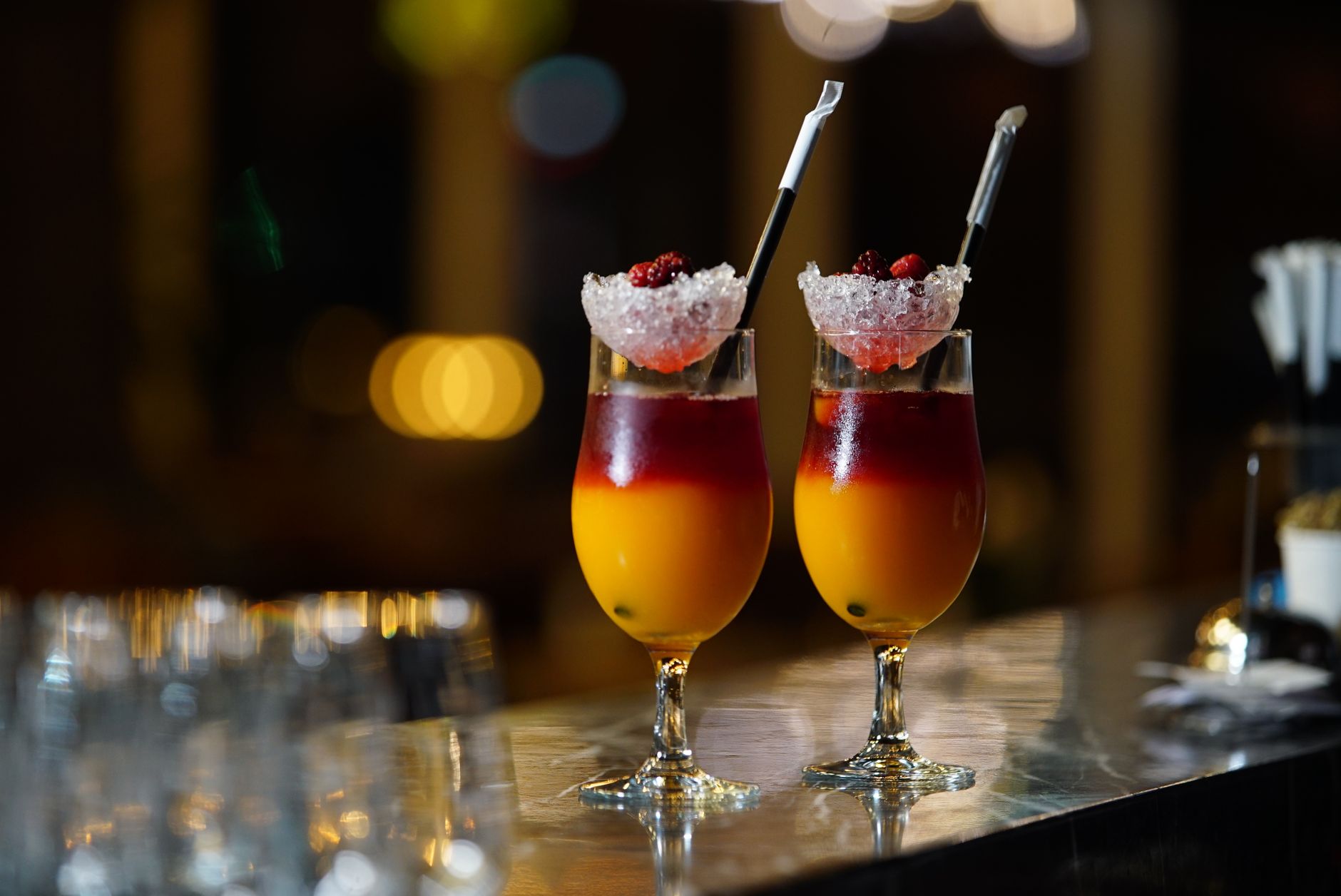
Alcohol consumption is a vast topic, often intertwined with social gatherings, celebrations, and relaxation. The quest for the drink that gets you drunk the fastest can stem from various reasons, whether it’s for a party, event, or simply personal curiosity. Understanding the factors that contribute to faster intoxication is crucial for both enjoyment and safety.
This article explores various alcoholic drinks, the science of alcohol absorption, and how different factors influence intoxication rates. We aim to provide a comprehensive understanding so you can make informed choices in social situations.
What Drink Gets You Drunk the Fastest?
The speed at which a drink gets you drunk primarily depends on its alcohol by volume (ABV) percentage and how quickly it is consumed. Generally, drinks like spirits, especially when served neat or in short cocktails, tend to lead to quicker intoxication than beer or wine. Additionally, carbonated beverages can exacerbate this effect, causing alcohol to enter your bloodstream faster.
The Science Behind Alcohol Absorption
Understanding how alcohol is absorbed into the body is key to knowing which drinks might affect you the fastest. Here’s a look at the processes involved:
- Absorption Rates: Alcohol absorption begins in the stomach and continues in the small intestine. The time it takes for you to feel drunk depends heavily on how quickly the alcohol enters your bloodstream.
- Factors Influencing Absorption: Several factors can affect absorption rates, including your weight, metabolism, whether you’ve eaten, and the concentration of alcohol in the drink.
- Carbonation Effect: Carbonated drinks can increase the rate of absorption. The gas can speed up the emptying of the stomach, leading to quicker intoxication.
- Mixers and Flavoring: Sweet mixers can mask the taste of alcohol, causing individuals to drink faster and potentially increasing their overall intake.
Types of Alcoholic Beverages and Their Effects
Different types of alcoholic drinks have varying alcohol content, which affects how quickly they can lead to intoxication. Here’s a guide to some common types of beverages:
1. Spirits
Spirits, or hard liquor, typically have a high ABV, ranging from 20% to over 50%. Here are some popular options:
- Vodka: Around 40% ABV on average, vodka can be consumed straight or mixed. Shots of vodka are particularly fast-acting.
- Whiskey: Generally ranging from 40% to 50% ABV, whiskey consumed neat also shows quick effects. Whiskey sours or other cocktails can dilute this rate.
- Rum: Similar ABV to whiskey and vodka, rum can be consumed straight or with sugary mixers, which may accelerate intake.
2. Cocktails
Cocktails can vary significantly in strength based on their ingredients. Here are a few noteworthy examples:
- Long Island Iced Tea: This potent cocktail mixes vodka, rum, gin, tequila, and triple sec, often resulting in an ABV exceeding 20% in a single serving.
- Margarita: While generally around 15-20% ABV, a margarita can be potent if it has little mixer and is consumed quickly.
3. Beer
Beer typically has a lower ABV, usually between 4-6%. However, there are strong ales and specialties that can reach upwards of 12% ABV. Consider the following:
- Light Lagers: Generally low in alcohol content, they are less likely to lead to rapid intoxication.
- IPAs and Stouts: Some craft beers may have a higher ABV, making them potentially quicker to affect your intoxication level.
4. Wine
Wine usually contains an ABV of 12-15%. However, dessert wines can contain more alcohol, leading to faster drinking effects:
- Red and White Wine: These typically moderate alcohol levels can lead to clear intoxication but slower than spirits.
- Fortified Wines: Port and sherry, often around 18-20% ABV, can lead to quicker intoxication similar to spirits.
Factors Influencing the Rate of Intoxication
Several factors can influence how quickly someone gets drunk after consuming alcohol. Here are key elements to consider:
1. Body Weight and Composition
Your body weight significantly influences how alcohol is processed. Heavier individuals may require more alcohol to feel the same effects experienced by lighter individuals. Additionally, body composition (muscle vs. fat) affects how alcohol is metabolized.
2. Metabolism
An individual’s metabolic rate affects alcohol processing speed. People with a higher metabolism may feel the effects of alcohol slower than those with a slower metabolism.
3. Food Intake
Consuming food before or while drinking can slow the absorption of alcohol. A meal rich in fats can provide a barrier against quick absorption, leading to a more gradual intoxication effect.
4. Tolerance Levels
Regular drinkers may develop a tolerance to alcohol. This means they may require larger amounts of alcohol to achieve the same drunk feeling as someone who drinks less frequently.
5. Gender Differences
Biologically, women often have a higher body fat percentage and lower water percentage. This leads to a higher blood alcohol concentration (BAC) per drink when compared to men.
Popular Drinks for Rapid Intoxication
Here, we highlight some popular drinks that can lead to fast intoxication due to their high alcohol content or the way they are consumed:
1. Shots of Hard Liquor
Taking shots of hard liquors like tequila, vodka, or whiskey can lead to a quick rise in BAC due to the concentrated amount of alcohol consumed at once.
2. Carbonated Cocktails
Cocktails containing carbonated mixers often contribute to faster intoxication. Drinks like champagne cocktails or rum and soda may enhance the alcohol’s effects.
3. High-ABV Craft Beers
Some craft beers, especially double IPAs, stouts, or other specialty brews, can have a significantly higher ABV, allowing faster intoxication.
4. Sweet and Fruity Drinks
Beverages that are sweet, such as daiquiris or piña coladas, might mask the taste of alcohol. This can lead to consuming more rapidly or in larger quantities.
Understanding Alcohol Percentages
To better understand what constitutes a strong drink, recognize how the ABV affects each type:
| Drink Type | Typical ABV Percentage |
|---|---|
| Light Beer | 3-4% |
| Regular Beer | 4-6% |
| Strong Beer | 6-12% |
| Wine | 12-15% |
| Fortified Wine | 18-20% |
| Spirits (e.g., Vodka, Whiskey) | 20-50%+ |
Safe Drinking Practices
While navigating the waters of alcohol consumption, it is essential to ensure your safety and the safety of others:
- Know Your Limits: Understanding your personal tolerance is vital to avoiding excessive consumption.
- Hydrate: Drink water in between alcoholic drinks to maintain hydration and reduce the risk of a hangover.
- Eat Before and While Drinking: Consuming food can slow alcohol absorption and help maintain a level head.
- Avoid Mixing Different Types: Mixing drinks can sometimes lead to unpredictable effects. Stick to one type of drink when possible.
- Designate a Driver: Always have a plan for transportation. Use public transportation or rideshare options if you plan to drink.
Common Mistakes to Avoid When Drinking
Being aware of common drinking pitfalls can enhance your overall experience and safety:
- Drinking on an Empty Stomach: This can lead to rapid intoxication and increase the likelihood of negative side effects.
- Pacing: Not pacing your drinking can lead to overwhelming effects and loss of control. Sip drinks and take time between each.
- Ignoring Your Body’s Signals: Pay attention to how your body feels. If you’re feeling light-headed, it may be time to stop.
Conclusion
Understanding what drink gets you drunk the fastest can enhance your social experiences while promoting responsible drinking. Fast-acting beverages, especially spirits and carbonated options, can lead to rapid intoxication when consumed in large quantities or too quickly. It’s essential to be aware of personal limits, recognize the effects of food intake, and always prioritize safety.
Now that you’ve learned about the dynamics of alcohol absorption and the types of drinks that can hit harder, you are better equipped to make informed choices in social settings. Always keep health and safety as your top priorities!
Explore more informative content with related recipes, cooking tips, and food guides such as our Whiskey Sour Recipe and Bourbon Slush Recipe.