
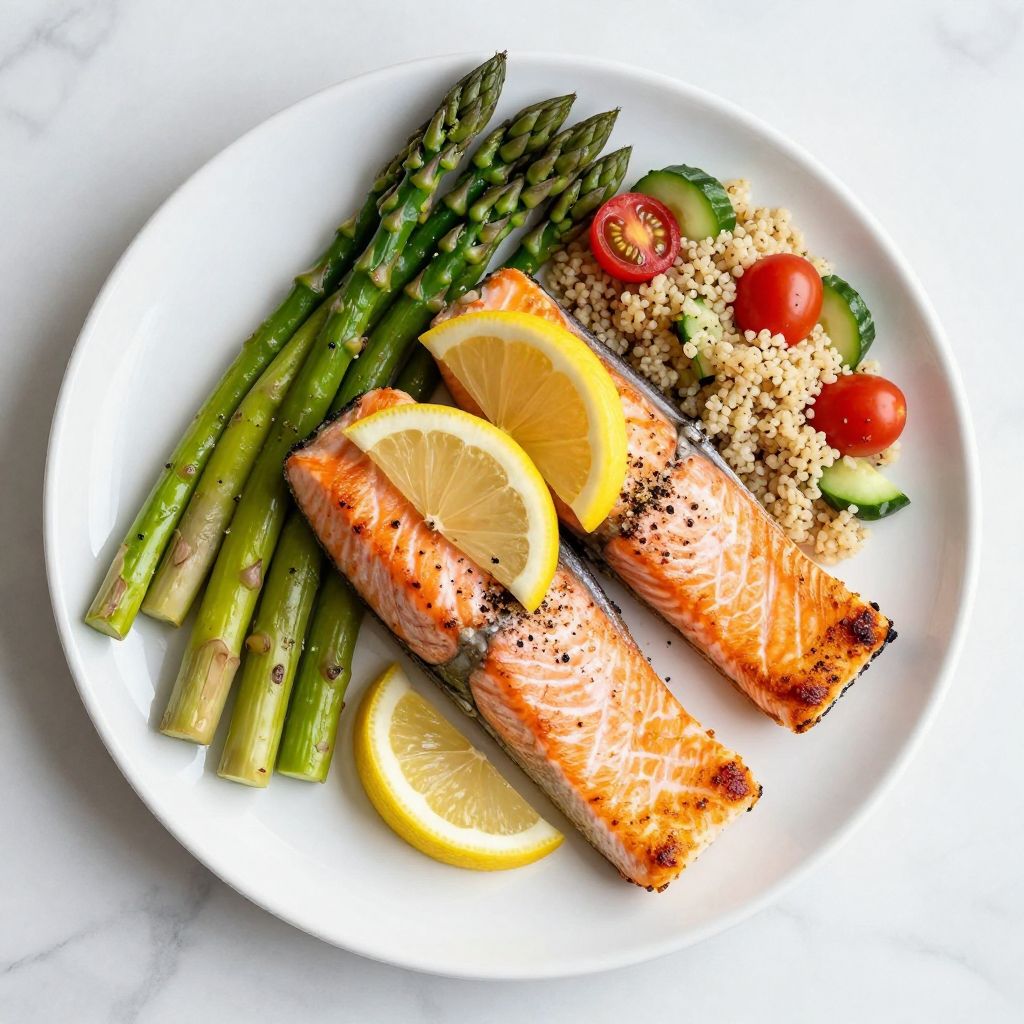
There’s something magical about the scent of fresh salmon cooking, isn’t there? This Fresh Salmon Recipe is your ticket to a delicious, healthy meal that’s not only quick to prepare but also bursting with flavor and nutrients.
Perfectly flaky and rich, this dish showcases salmon at its best. With a crispy skin and tender flesh, it’s sure to impress your family or guests, making it a weeknight favorite or a special occasion treat.
Why You’ll Love This Recipe
This recipe is a must-try for any home cook looking to elevate their dinner game.
- Quick and easy to prepare, perfect for busy weeknights.
- Rich in omega-3 fatty acids, making it a heart-healthy choice.
- Versatile enough to pair with a variety of sides.
- The crispy skin adds a delightful texture to each bite.
- Minimal ingredients highlight the fresh taste of the salmon.
My Experience Making This Recipe
When I first made this dish, I was amazed at how simple yet satisfying it was. The salmon sizzled beautifully in the pan, and the aroma filled my kitchen, making it feel like a gourmet restaurant.
My family gathered around the table, and the smiles after the first bite were priceless. It’s a recipe I know I can whip up anytime and receive rave reviews.
Recipe Overview
- Recipe Name: Fresh Salmon Recipe
- Servings: 4
- Prep Time: 10 minutes
- Cook Time: 15 minutes
- Total Time: 25 minutes
- Course: Main Course
- Cuisine: Seafood
- Calories per Serving: 300
Equipment You Will Need
- Skillet or frying pan
- Spatula
- Measuring spoons
- Serving plate
Ingredients for Fresh Salmon Recipe
- 4 salmon fillets (skin-on for crispy texture)
- 2 tablespoons olive oil (for cooking and flavor)
- 1 teaspoon salt (to enhance flavor)
- 1/2 teaspoon black pepper (for a touch of heat)
- 1 lemon (for zest and juice)
Ingredient Notes and Substitutions
- Salmon fillets: They bring a rich flavor and healthy fats. You can use trout as a substitute for a different taste.
- Olive oil: This adds depth to the dish. Avocado oil can be a great alternative.
- Salt: Essential for flavor enhancement. Sea salt or kosher salt works well.
- Black pepper: Gives a mild kick. You can replace it with white pepper for a different flavor profile.
- Lemon: Brightens the dish with acidity. Lime can also be a refreshing substitute.
How to Make Fresh Salmon Recipe
Step 1: Prepare the Ingredients
Start by gathering all your ingredients. Having everything ready makes the cooking process smoother and more enjoyable.
Step 2: Heat the Skillet
Place a skillet over medium-high heat and add the olive oil. Heating the oil properly helps achieve that coveted crispy skin.
Step 3: Season the Salmon
While the skillet heats, season your salmon fillets with salt and pepper. This simple step enhances the natural flavors of the fish.
Step 4: Cook the Salmon Skin-Side Down
Once the oil is hot, place the salmon fillets skin-side down in the skillet. This allows the skin to crisp up beautifully.
Step 5: Sear on One Side
Cook the salmon for about 5-7 minutes without moving it. This helps develop a golden crust and locks in moisture.
Step 6: Flip the Salmon
Carefully flip the fillets using a spatula and cook for another 3-5 minutes. Flipping ensures even cooking and keeps the fish tender.
Step 7: Add Lemon Juice
Squeeze fresh lemon juice over the salmon during the last minute of cooking. This adds brightness and balances the richness of the fish.
Step 8: Serve and Enjoy
Transfer the salmon to a serving plate and garnish with lemon wedges. Enjoy the dish while it’s hot for the best flavor experience.
Pro Tip: Always start cooking salmon skin-side down for maximum crispiness.
Tips for the Best Fresh Salmon Recipe
- Use fresh salmon for the best flavor and texture; frozen can be a bit less appealing.
- Don’t overcrowd the skillet; this ensures each fillet cooks evenly.
- Let the salmon rest for a couple of minutes before serving to allow juices to redistribute.
- Experiment with different herbs like dill or parsley for added flavor.
- Serve with a side of sautéed vegetables for a complete meal.
Common Mistakes to Avoid
- Cooking on too low heat may result in a soggy texture; ensure your skillet is hot.
- Flipping too early can cause the fish to break apart; give it time to sear.
- Not seasoning sufficiently can lead to bland salmon; don’t skimp on salt and pepper.
- Using frozen fish without thawing can lead to uneven cooking; always thaw beforehand.
Serving Suggestions
This salmon pairs beautifully with a variety of sides that complement its rich flavor.
- Steamed asparagus with lemon zest
- Garlic mashed potatoes for creaminess
- Quinoa salad with cherry tomatoes and cucumber
- Fresh green salad with a light vinaigrette
Variations to Try
- Add a honey glaze for a sweet and savory twist.
- Top with a mango salsa for a tropical flair.
- Incorporate herbs like thyme or rosemary for an aromatic touch.
- Try marinating the salmon in teriyaki sauce for an Asian-inspired flavor.
Dietary Adaptations
- Gluten-free: This recipe is naturally gluten-free, perfect for those with sensitivities.
- Dairy-free: No dairy is used, making it suitable for a dairy-free diet.
- Vegan/Vegetarian: Swap salmon for grilled eggplant or tofu for a plant-based option.
- Low-carb/Keto: Salmon is a great source of protein, fitting perfectly into a low-carb lifestyle.
Storage and Reheating
Refrigerator
Store leftover salmon in an airtight container in the fridge.
- Use within 2-3 days for best quality.
- Keep it separate from sides to maintain freshness.
Freezer
If you have extra salmon, it can be frozen for longer storage.
- Wrap tightly in plastic wrap and then foil.
- Use within 2-3 months for best flavor.
Reheating
Reheat the salmon in the oven or a skillet to maintain its texture.
- Preheat your oven to 275°F and warm for about 15 minutes.
- In a skillet, reheat on low to avoid drying it out.
Nutrition Information
| Nutrient | Amount |
|---|---|
| Calories | 300 |
| Total Fat | 18g |
| Saturated Fat | 4g |
| Carbohydrates | 0g |
| Fiber | 0g |
| Sugar | 0g |
| Protein | 34g |
| Sodium | 600mg |
| Cholesterol | 80mg |
This nutritional information is approximate and can vary based on specific ingredients used.
Frequently Asked Questions
Can I use frozen salmon for this recipe?
Yes, just make sure to thaw it completely before cooking for even results.
What can I substitute for olive oil?
Avocado oil or melted coconut oil work well as substitutes.
Can I make this salmon ahead of time?
Yes, you can cook it in advance and reheat it later, although fresh is best.
How can I tell if salmon is cooked properly?
It should be opaque and flake easily with a fork when done.
What side dishes pair well with salmon?
Fresh salads, roasted vegetables, and grains like quinoa are great options.
Final Thoughts
This Fresh Salmon Recipe is a beautiful way to enjoy a healthy meal without sacrificing flavor. It’s simple enough for a weeknight dinner yet elegant enough for entertaining.
So gather your ingredients and give this recipe a try; you might just find it becoming a regular in your meal rotation.
If you’re interested in more delicious salmon ideas, check out this salmon loaf recipe or learn if smoked salmon is raw.
Fresh Salmon Recipe
Ingredients
Equipment
Method
- Start by gathering all your ingredients.
- Place a skillet over medium-high heat and add the olive oil.
- Season your salmon fillets with salt and pepper.
- Once the oil is hot, place the salmon fillets skin-side down in the skillet.
- Cook the salmon for about 5-7 minutes without moving it.
- Carefully flip the fillets using a spatula and cook for another 3-5 minutes.
- Squeeze fresh lemon juice over the salmon during the last minute of cooking.
- Transfer the salmon to a serving plate and garnish with lemon wedges.