
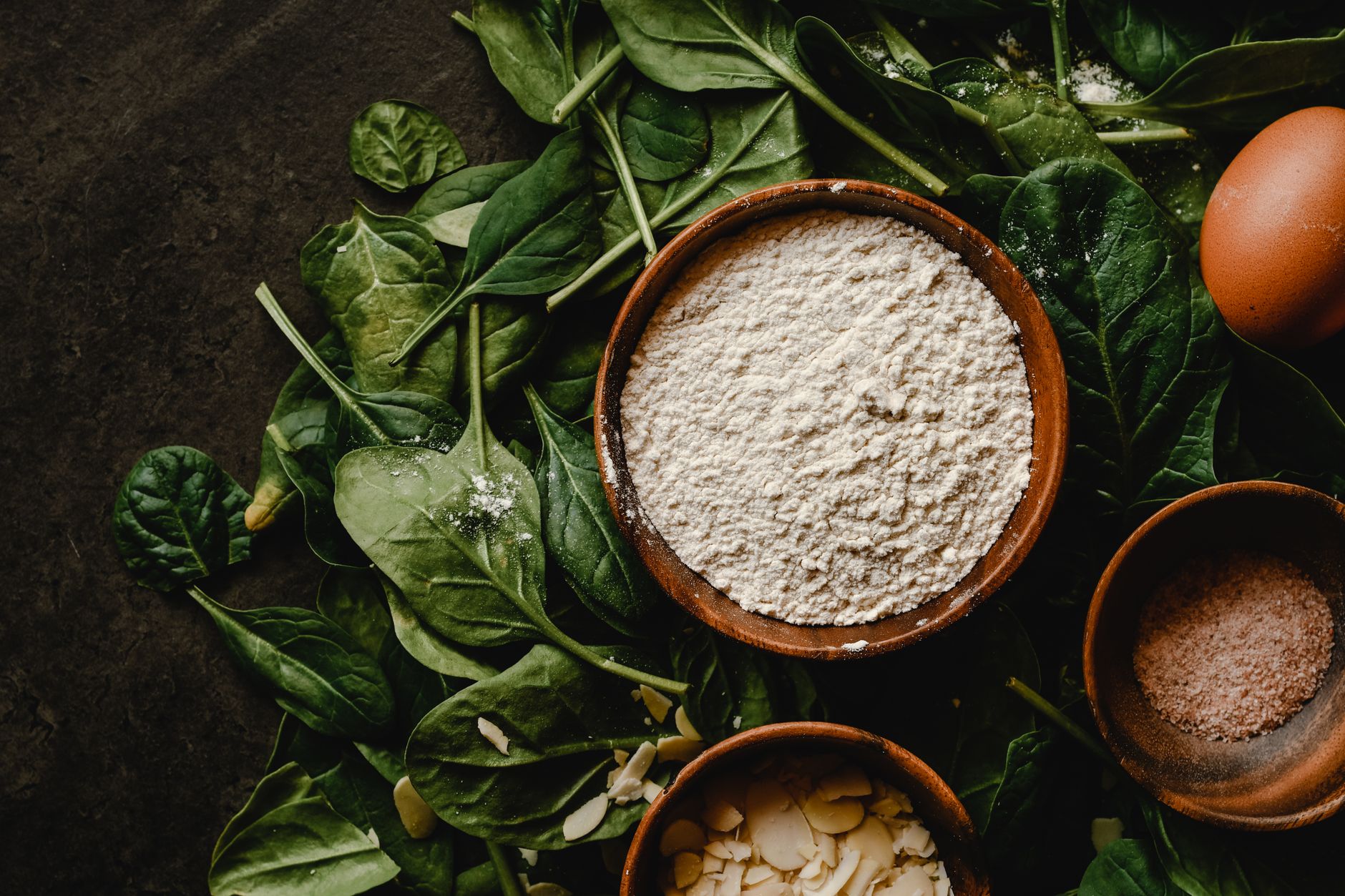
Raw almond flour is a popular ingredient in many gluten-free and low-carb recipes, known for its health benefits and versatility in baking and cooking. However, many people wonder if it is safe to eat raw almond flour and how to incorporate it into meals effectively.
This article will address the safety of consuming raw almond flour, provide helpful tips for storage and preparation, and offer insight into how you can use it as an ingredient in your cooking and baking.
Can You Eat Raw Almond Flour?
Yes, you can eat raw almond flour. However, it is essential to understand the nuances of its consumption, such as potential contaminants and the best practices for incorporating it into your diet to ensure food safety.
Raw almond flour is made from ground almonds and can be used as a gluten-free alternative in baking, cooking, and as a thickener. When handling raw almond flour, it’s crucial to be cautious about hygiene and food safety practices.
Understanding Almond Flour
Almond flour is derived from blanched (skinless) almonds that are finely ground. The flour retains the natural fats, protein, and nutrients found in almonds, making it a healthier alternative to traditional wheat flour.
Types of Almond Flour
- Blanched Almond Flour: Made from almonds with their skins removed, which results in a finer, lighter flour. It is ideal for baking and recipes where a delicate texture is desired.
- Natural Almond Flour: Made from whole almonds with their skins on, resulting in a coarser flour. It can add a nuttier flavor to recipes but may alter the texture compared to blanched almond flour.
Food Safety Considerations
While raw almond flour is generally safe to consume, some precautions should be considered to minimize health risks.
Potential Contamination Risks
Raw almond flour can potentially contain harmful bacteria, like Salmonella, especially if contaminated during processing or handling. To ensure safety:
- Purchase almond flour from reputable brands that follow strict processing and safety standards.
- Store almond flour in a cool, dry place, preferably in an airtight container to prevent exposure to moisture and pests.
- Check the packaging for freshness and expiration dates to ensure quality.
Benefits of Cooking with Almond Flour
Cooking or baking with almond flour offers several benefits:
- Nutritious Profile: Almond flour is rich in healthy fats, protein, vitamin E, and magnesium, making it a nutritious addition to your diet.
- Gluten-Free Option: It serves as an excellent alternative for those with gluten sensitivities or celiac disease.
- Low-Carbohydrate: Almond flour is lower in carbohydrates compared to traditional wheat flour, making it a popular choice for ketogenic diets.
How to Use Raw Almond Flour in Recipes
Incorporating raw almond flour into your cooking allows for versatility and creativity. Here are some ideas and techniques for using almond flour.
Baking with Almond Flour
When baking with almond flour, it is essential to adjust your recipes since almond flour can behave differently from traditional wheat flour.
Common Substitution Ratios
Due to its density and moisture content, almond flour typically requires different ratios than wheat flour:
- Substitute 1 cup of all-purpose flour with 1 to 1.5 cups of almond flour. You may need to adjust liquid ingredients accordingly.
Basic Almond Flour Recipe
If you are new to baking with almond flour, consider trying simple recipes to familiarize yourself with its properties.
Almond Flour Pancakes
This easy pancake recipe serves as a great introduction to using almond flour. It results in fluffy, nutty pancakes.
- 1 cup almond flour
- 2 large eggs
- 1/4 cup milk (dairy or plant-based)
- 1 teaspoon baking powder
- 1/2 teaspoon vanilla extract (optional)
- Pinch of salt
Directions:
- In a bowl, mix almond flour, baking powder, and salt.
- In another bowl, whisk together eggs, milk, and vanilla extract.
- Combine wet and dry ingredients until well blended.
- Heat a non-stick skillet over medium heat and pour batter to form pancakes, cooking about 2-3 minutes per side.
No-Bake Desserts
Raw almond flour can also be used to create delicious no-bake treats, such as energy balls or crusts for cheesecakes.
Almond Flour Energy Bites
This quick recipe is easy to prepare and a great snack option.
- 1 cup almond flour
- 1/4 cup honey or maple syrup
- 1/4 cup nut butter (such as almond or peanut butter)
- 1/4 cup chocolate chips or dried fruit
- 1/2 teaspoon cinnamon (optional)
Directions:
- In a mixing bowl, combine almond flour, honey, nut butter, and any optional ingredients until well mixed.
- Stir in the chocolate chips or dried fruit.
- Form mixture into small balls and refrigerate for at least 30 minutes to firm up.
Thickening and Breading
Almond flour can serve as a natural thickener for soups and sauces or as a coating for meats and vegetables.
Using Almond Flour for Coating
To create a gluten-free breading:
- Substitute traditional breadcrumbs with almond flour in recipes for fried or baked goods.
- Dip protein or vegetables in egg wash, then coat with almond flour before cooking.
Breakfast and Snacks
Almond flour is an excellent ingredient for breakfast items, from muffins to smoothies.
Almond Flour Muffins
Consider making muffins by substituting regular flour with almond flour for a nutritious breakfast option. Use other add-ins like fruits, nuts, or seeds to enhance flavor and texture.
Storage Tips for Almond Flour
To maintain the quality of your almond flour, proper storage is essential.
Best Practices
- Store almond flour in an airtight container to protect it from moisture and pests.
- Keep it in a cool, dark place for short-term storage. For extended freshness, consider refrigerating or freezing it.
- Check for rancidity by smelling it. If it smells off or has a bitter taste, it’s best to discard it.
Common Mistakes When Using Almond Flour
When working with almond flour, there are a few common pitfalls to avoid:
Overmixing
Almond flour is more delicate than wheat flour; overmixing can lead to dense baked goods. Mix until ingredients are just combined.
Ignoring Texture Differences
Almond flour does not absorb liquid in the same way as regular flour. Adjusting moisture and other ingredients is crucial for achieving the desired consistency.
Underestimating Flavor
Almond flour has a distinct nutty flavor that sometimes dominates in recipes. Be mindful of other flavors to maintain balance in your dishes.
Creative Uses for Almond Flour
Almond flour can be used in more than just baking; here are some additional ideas:
- Add it to smoothies for extra nutrition and creaminess.
- Use it as a thickener for soups and steamed dishes.
- Incorporate it into homemade granola or cereal mixes for added texture and flavor.
Conclusion
Raw almond flour is a versatile ingredient with numerous culinary applications. While it can be consumed raw, it is important to take safety precautions and be aware of common pitfalls in baking and cooking.
By following the tips and guidelines provided, you can enjoy the benefits of almond flour while ensuring safe and delicious meals. Consider experimenting with almond flour in your favorite recipes or trying out the pancake and energy bite recipes mentioned above.
For more exciting recipes and cooking tips, explore our delicious almond flour bread recipe or try the creamy chia pudding with coconut milk.