
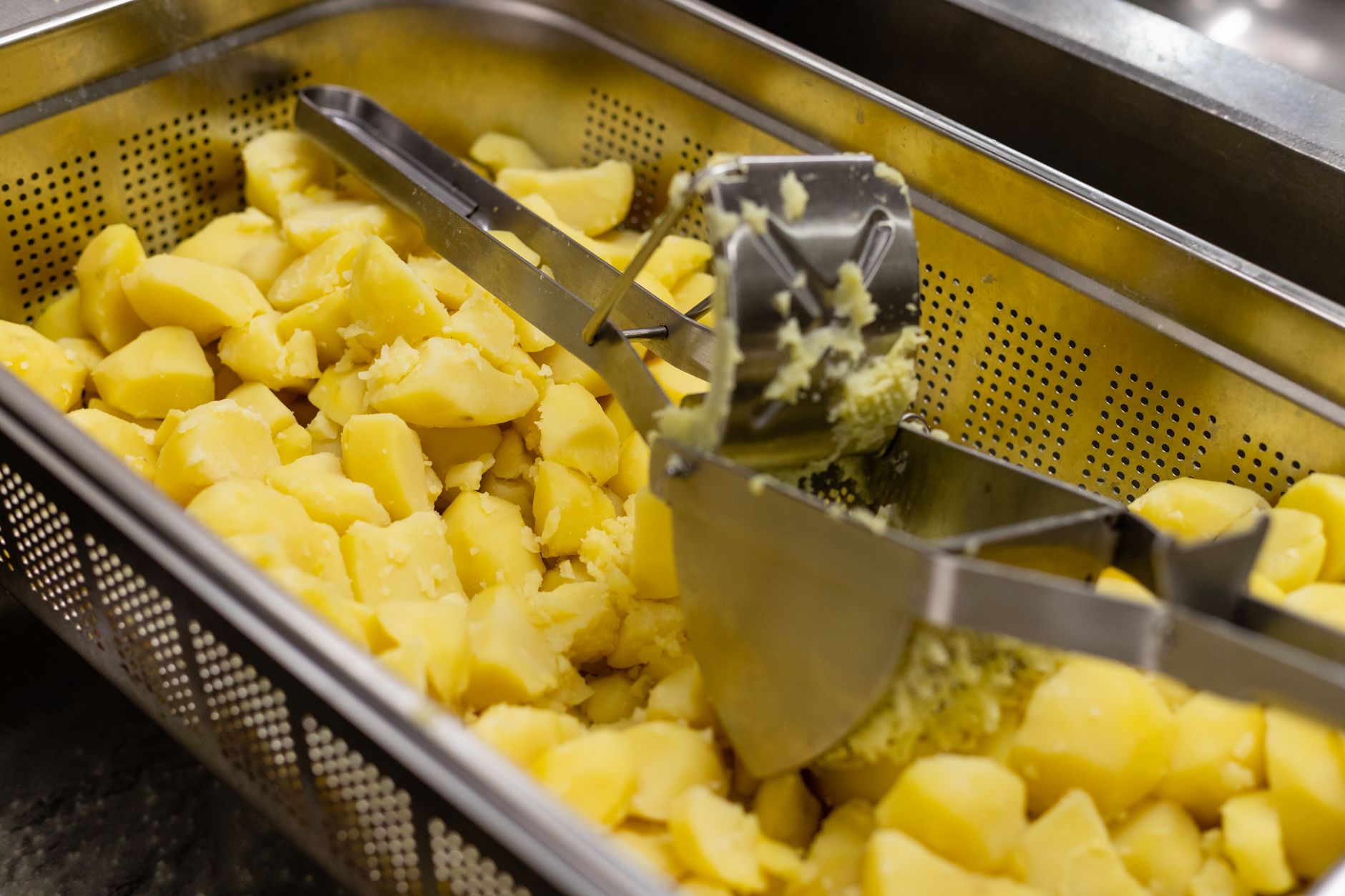
Mashed potatoes are a beloved comfort food, perfect for any occasion, from a cozy family dinner to a holiday feast. The key to achieving that creamy, fluffy texture lies in how you boil your potatoes. Understanding the right boiling time and technique will elevate your mashed potato game immensely.
While there are many ways to prepare mashed potatoes, knowing how long to boil them is fundamental. In this article, we will cover everything from boiling times to potatoes types, cooking methods, and expert tips to help you create the perfect mashed potatoes every time.
How Long to Boil Potatoes for Mashed Potatoes?
The general cooking time for boiling potatoes for mashed potatoes is approximately 15 to 20 minutes. The exact time may vary based on the type of potato and the size of the pieces. Typically, potatoes should be fork-tender but not disintegrating. To achieve the best results, follow these guidelines based on potato type.
Choosing the Right Type of Potato
The type of potato you use plays a crucial role in the texture and flavor of your mashed potatoes. The three most common types are:
- Yukon Gold: Creamy and naturally buttery, Yukon Gold potatoes provide a delicious flavor and smooth texture, making them ideal for mashed potatoes.
- Russet: Known for their starchy nature, Russet potatoes yield a light and fluffy consistency. They soak up butter and cream beautifully but can become gluey if overworked.
- Red Potatoes: With their waxy texture, red potatoes hold their shape well. While they can be used for mashed potatoes, they may create a chunkier texture.
Preparing Your Potatoes
Before boiling, it’s essential to prepare the potatoes correctly to ensure even cooking:
- **Wash the Potatoes:** Scrub them under running water to remove any dirt.
- **Peel (Optional):** You can peel the potatoes or leave the skins on for a rustic texture and added nutrients.
- **Cut into Even Sized Chunks:** Cut your potatoes into uniform pieces, ideally about 1-2 inches. This helps them cook evenly.
Boiling Your Potatoes
Here is a step-by-step guide to boiling potatoes for mashed potatoes:
- Fill a Pot with Water: Use a large pot and fill it with enough cold water to cover the potatoes by an inch or so.
- Add Salt: For flavor, add a generous pinch of salt to the water before boiling.
- Bring to a Boil: Place the pot over high heat and bring the water to a rolling boil.
- Reduce Heat and Simmer: Once boiling, reduce heat to maintain a gentle simmer. Avoid a vigorous boil, which can lead to uneven cooking.
- Check for Doneness: Start checking for doneness at around 15 minutes. Potatoes are done when a fork easily pierces the flesh.
Testing Potatoes for Doneness
To ensure that your potatoes are perfectly cooked, use the fork test:
- Take a fork and insert it into a potato piece. It should slide in easily without resistance.
- If the potato falls apart, it’s overcooked. If it’s tough, it needs more time.
Once cooked, drain the potatoes in a colander and allow them to steam for a minute or two. This helps remove excess moisture, ensuring fluffy mashed potatoes.
Making Mashed Potatoes: The Final Steps
After boiling and draining the potatoes, it’s time to turn them into creamy mashed potatoes. Follow these steps:
- Return to the Pot: Place the drained potatoes back in the empty pot over low heat to evaporate excess moisture.
- Add Ingredients: Begin adding your desired ingredients like butter, cream, milk, and seasonings. A general guideline is:
- 4 medium potatoes: 4 tablespoons of butter and 1/2 cup of milk or cream.
- Adjust to taste for creaminess and flavor.
- Mash the Potatoes: Use a potato masher for a rustic texture or a ricer for ultra-smooth potatoes. Avoid over-mixing, as this can create a gummy texture.
Flavor and Texture Enhancements
Here are some ideas for enhancing the flavor and texture of your mashed potatoes:
- Garlic: Add roasted garlic or sautéed garlic for a deeper flavor.
- Cheese: Stir in grated cheese, like Parmesan, feta, or cheddar, for richness.
- Herbs: Fresh herbs such as chives, parsley, or rosemary can brighten up the dish.
- Sour Cream: Mixing in sour cream gives an extra tang and creaminess.
Common Mistakes to Avoid
While making mashed potatoes seems straightforward, some common mistakes can lead to less-than-ideal results:
- Overcooking: Overcooked potatoes can become mushy and watery. Always watch the timer!
- Undercooking: If they are hard or grainy, they need more time. Testing for doneness is crucial.
- Not Seasoning: Salt the water and taste the potatoes before serving. They should be well-seasoned.
- Over-Mashing: Use the right tools and avoid overworking the potatoes to prevent a gummy texture.
Serving Suggestions
Mashed potatoes are versatile and can pair well with numerous dishes. Here are some serving suggestions:
- As a Side Dish: Mashed potatoes complement roasts, grilled meats, or seafood beautifully.
- With Gravy: Serve with a rich, savory gravy for a classic touch.
- On Top of Shepherd’s Pie: Use mashed potatoes as a topping for a cozy casserole.
Feel free to experiment and tailor the dish to your palate; mashed potatoes are quite forgiving and adaptable.
Making Mashed Potatoes Ahead of Time
Need to prepare mashed potatoes ahead of time? Here’s how to do it effectively:
- Prepare and mash the potatoes as usual.
- Allow them to cool completely.
- Transfer to a storage container; smooth the top to minimize air exposure, and cover tightly.
- Refrigerate for up to 1-2 days before serving.
On the day you plan to serve, reheat on the stove over low heat, adding a little more milk or cream to bring back the creamy texture.
Storing and Reheating Leftover Mashed Potatoes
Leftover mashed potatoes can be stored in the refrigerator for up to 3-5 days. For longer storage, consider freezing them:
- Use an airtight container or freezer bag to prevent freezer burn.
- Thaw in the refrigerator overnight prior to reheating.
To reheat, place the potatoes in a saucepan over medium-low heat. Add a splash of milk or cream to revive the creaminess. Stir frequently until heated through.
Final Tips for Perfect Mashed Potatoes
To ensure your mashed potatoes stand out, keep these tips in mind:
- Use fresh, high-quality ingredients for the best flavor.
- Consider using a mix of potato types for improved texture and taste.
- Don’t hesitate to adjust flavors and ingredients to cater to your personal preferences.
Follow these guidelines and tips to master the art of boiling potatoes for mashed potatoes. With practice, you will create a creamy, delicious side dish that can complement nearly any meal.
Explore more delicious takes on mashed potatoes, including loaded mashed potatoes or learn how to make mashed potatoes ahead of time. Happy cooking!