
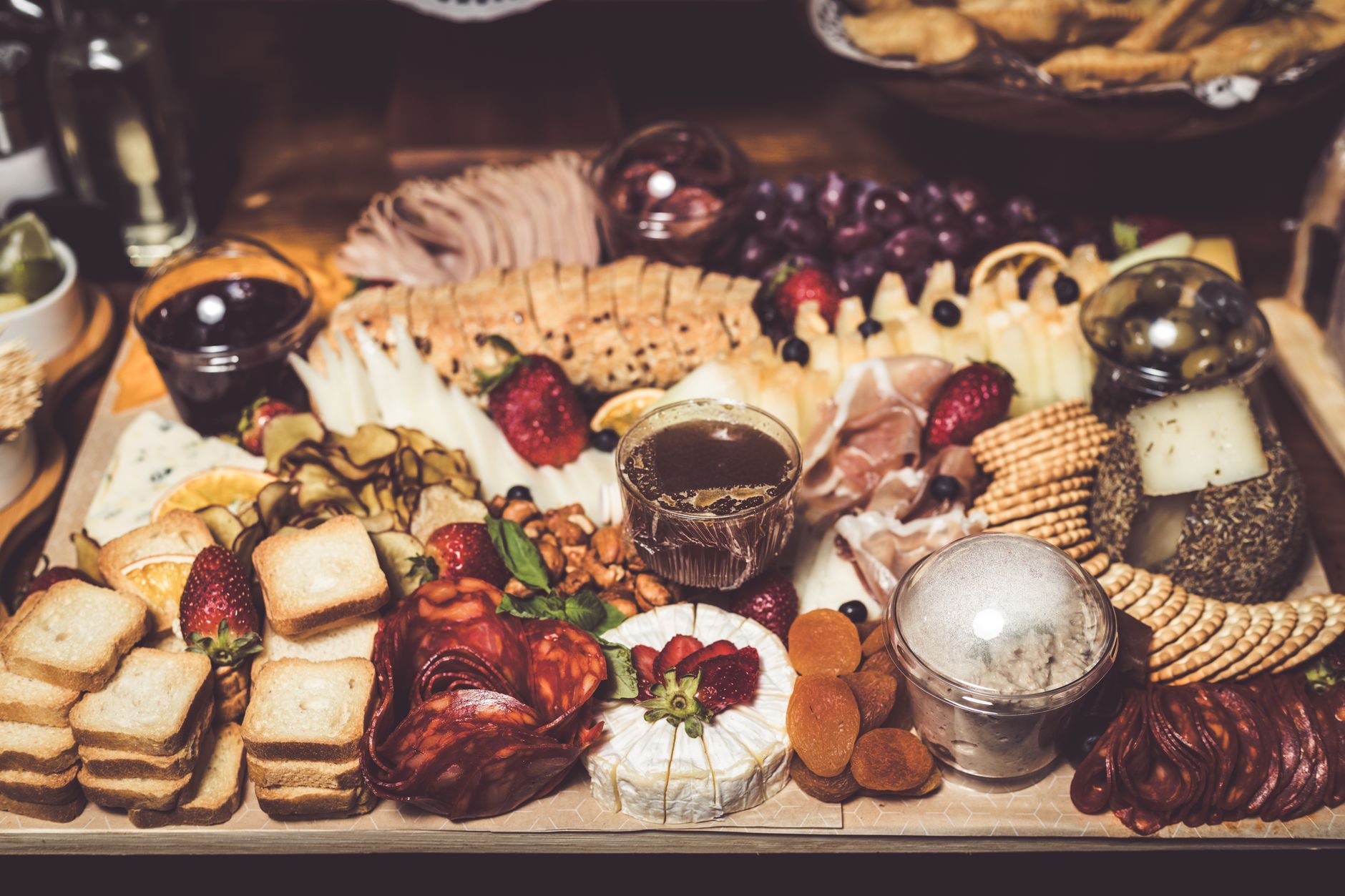
Charcuterie boards are more than just a delightful arrangement of meats and cheeses; they are a canvas for creativity and culinary exploration. The art of curating a charcuterie board lies in the selection of ingredients that contrast and complement each other in flavor, texture, and presentation.
This guide will discuss the various components you can include on a charcuterie board, from meats and cheeses to toppings, spreads, and accompaniments. Whether you’re hosting a party or simply indulging in a special snack, understanding what to include will elevate your charcuterie experience.
What Do You Put on a Charcuterie Board?
A charcuterie board typically features a variety of cured meats, cheeses, and accompaniments like pickles, spreads, fruits, nuts, and bread. Each element serves to enhance the overall experience through contrasting flavors and textures.
Choosing the Right Meats
The meat selection is crucial for a charcuterie board. Look for a variety that offers different flavors and textures. Here are some popular options:
- Salami: A classic choice, often flavored with spices and herbs.
- Prosciutto: A thinly sliced Italian ham with a salty, slightly sweet flavor.
- Serrano Ham: A Spanish dry-cured ham that adds a rich, savory flavor.
- Chorizo: A spicy or sweet Spanish sausage that adds a kick to the board.
- Pâté: A spreadable meat mixture that can be made from liver or other meats.
When selecting meats, consider the saltiness and spice level. It’s advisable to select one or two milder meats and complement them with spicier or more robust options to ensure a balanced palate.
Choosing Cheeses
Cheese is often the highlight of a charcuterie board. Offer a mix of textures and flavors by including:
- Soft Cheese: Brie or Camembert brings creaminess and richness.
- Hard Cheese: Aged cheddar or gouda adds a nutty flavor and firm texture.
- Blue Cheese: Roquefort or gorgonzola provide a sharp and pungent contrast.
- Fresh Cheese: Goat cheese or ricotta is light and tangy.
For a well-rounded selection, aim for a variety of cheese types including at least one soft, one hard, and one blue cheese. Pairing cheese with meats can create delightful combinations of flavor.
Add Some Crunch: Accompaniments
Once you have your meats and cheeses selected, it’s time to consider the accompaniments. These will help to add texture and additional flavors to your board. Here are some tasty options:
- Crackers: Choose a variety of crackers including whole grain, gluten-free, and flavored options for texture and flavor diversity.
- Breads: Slices of baguette, ciabatta, or breadsticks add a sturdy base for toppings.
- Nuts: Almonds, walnuts, and pistachios offer a delightful crunch and healthy fats.
- Olives: Both green and black olives can enhance the Mediterranean flair of your board.
These accompaniments play an essential role in balancing flavors while providing varied textures. They also help fill out the board, making it visually appealing.
Creating Flavorful Spreads and Dips
Spreads can enhance the flavors on your charcuterie board. Consider providing a few of the following:
- Hummus: A creamy option that pairs well with crackers and vegetables.
- Mustard: A variety of mustards, from spicy brown to whole grain, can enhance meats.
- Chutney: Fruit-based chutneys, like mango or apple, provide a sweet contrast.
- Honey: Drizzled over cheese, honey adds sweetness to rich flavors.
Providing a mix of sweet and savory spreads allows guests to create unique flavor combinations on their plates. It’s essential to have small spoons or knives available to avoid cross-contamination.
Fresh and Dried Fruits
Fruits bring color and freshness to the board. Consider using:
- Fresh Fruits: Grapes, figs, sliced apples, or pears add sweetness and juiciness.
- Dried Fruits: Apricots, cranberries, or dates provide chewy texture and intense flavor.
Fruits can balance the richness of meats and cheeses while providing visual contrast. They are also great palate cleansers between bites.
Pickles and Fermented Items
Adding pickled items can provide acidity and a sour note that enhances the board. Try options such as:
- Gherkins: Tiny pickles that add crunch and tang.
- Pickled Onions: These provide a bright flavor that pairs well with meats.
- Kimchi: A spicy, fermented vegetable option that offers a unique flavor twist.
These items not only contribute flavor but also add a variety of colors and textures to the board.
Designing Your Charcuterie Board
Now that you have an idea of what to include, it’s time to create your charcuterie board. Follow these tips for effective design:
- Choose Your Board: Select a large wooden or slate board that provides ample space for your ingredients.
- Place the Main Ingredients: Start with the meats and cheeses, arranging them in groups or in a circular pattern for visual appeal.
- Add Accompaniments: Fill in the gaps with crackers, breads, and nuts. Aim for a balanced distribution of colors and shapes.
- Incorporate Spreads and Dips: Place these in small bowls or directly on the board, making sure they are easily accessible.
- Layer in Fruits and Pickles: Use these as garnish and to fill any empty spaces; they also add height to the board.
- Final Touches: Add garnishes like fresh herbs or edible flowers for a pop of color.
Remember, the key to a stunning charcuterie board is variety and presentation. Ensure that flavors, textures, and colors are balanced. Don’t be afraid to get creative!
Common Mistakes to Avoid
To get the most out of your charcuterie board, avoid these common pitfalls:
- Too Little Variety: A board lacking in meats, cheeses, and accompaniments can be bland. Aim for at least five different components.
- Overloading on One Element: While you may enjoy a particular cheese or meat, it’s essential to provide balance and variety instead of overwhelming the board with one item.
- Ignoring Texture: A board with only soft items can feel unbalanced. Include crunchy, chewy, and creamy elements for a well-rounded experience.
- Skipping Seasonal Ingredients: Using fruits and vegetables that are in season elevates the flavors and freshness of your board.
Paying attention to these details will enhance the guest experience and keep everyone returning for more.
Make-Ahead Tips for Your Charcuterie Board
Preparing a charcuterie board can be manageable even when hosting a gathering. Here are some tips for making it easier:
- Select Ingredients Wisely: Pre-packaged meats and cheeses can save time. Look for high-quality products for the best flavors.
- Prepare Ahead of Time: Slice the meats and cheeses, and prepare dips and spreads a few hours in advance. Keep items refrigerated until serving.
- Store Properly: Keep meats and cheeses covered in the fridge. Use airtight containers for prepared spreads to maintain their freshness.
- Assemble While Guests Arrive: You can prepare most components in advance but wait to assemble the board until close to serving time for freshness.
With these preparations, your charcuterie board will be ready to impress without undue stress.
Serving Suggestions and Pairings
To elevate your charcuterie board even further, consider these serving suggestions:
- Wines: Pair your charcuterie board with corresponding wines, like a smooth red for meats and a crisp white for cheeses.
- Cocktails: A refreshing gin and tonic or a classic Aperol spritz can complement the flavors beautifully.
- Cheese Pairings: Recommend specific cheeses that pair with certain meats, enhancing the tasting experience.
Creating a tasting guide for guests can enhance their enjoyment and encourage them to explore various flavor combinations.
Exploring Variations for Special Diets
Charcuterie boards are flexible and can be adapted to various dietary needs:
- Vegetarian: For a vegetarian charcuterie board, include a selection of artisanal cheeses, a variety of dips, roasted vegetables, and a variety of nuts and seeds.
- Vegan: Create a vegan version using plant-based cheeses, assorted olives, pickles, nuts, and fresh fruits.
- Gluten-Free: Choose gluten-free crackers or vegetables like bell pepper strips for dipping.
One of the best aspects of charcuterie boards is their adaptability, making them perfect for accommodating various preferences and lifestyles.
In summary, a charcuterie board is an artful assembly of different meats, cheeses, spreads, fruits, and textures that invite guests to savor diverse flavors. Thoughtful curation not only pleases the palate but also creates a stunning visual presentation.
Next time you plan a gathering, use this guide to craft your own charcuterie experience that caters to various tastes while showcasing your culinary flair. For additional insights on charcuterie boards, check out what goes on a charcuterie board.