
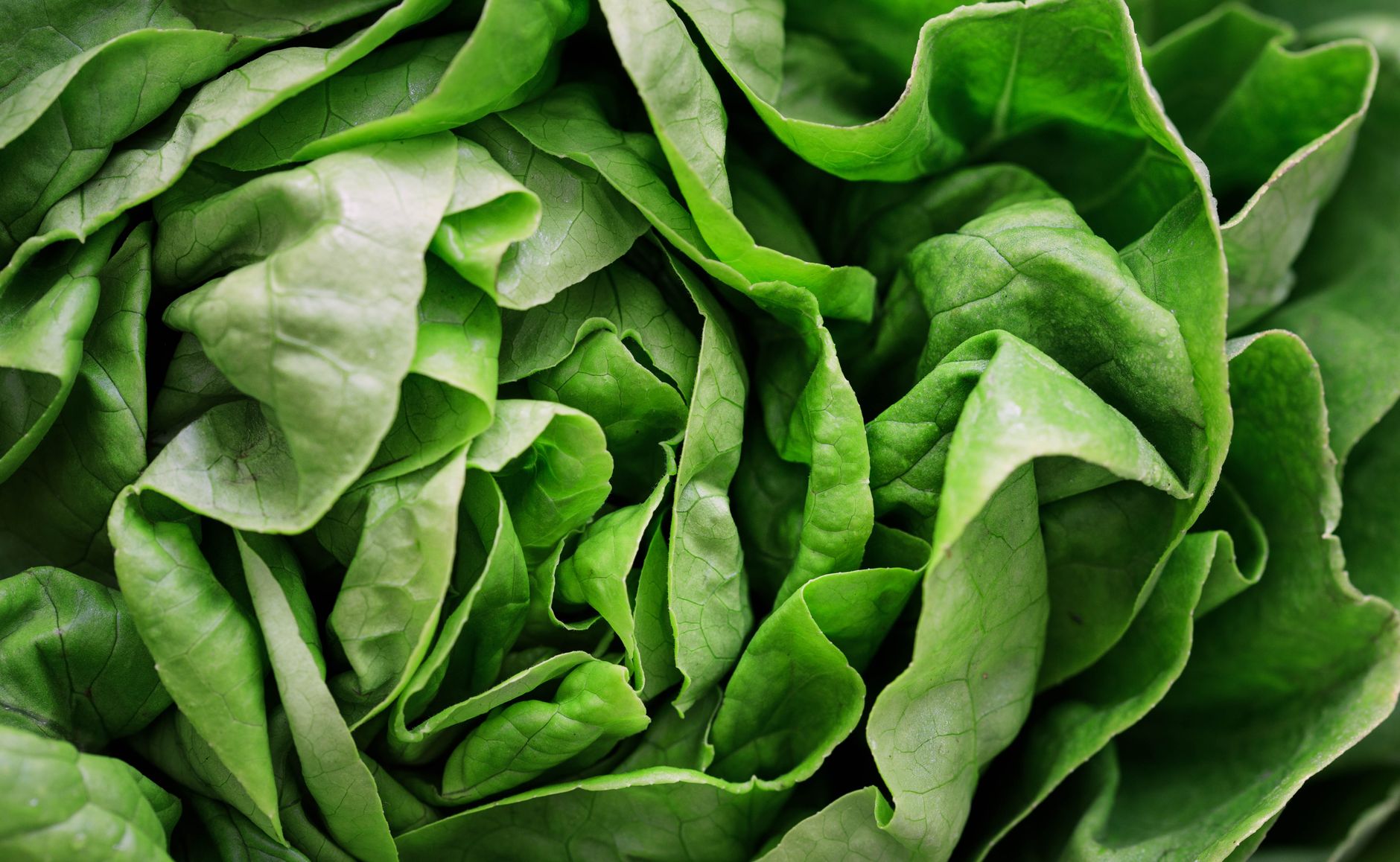
Lettuce, a staple in salads and numerous dishes, is both nutritious and versatile. But questions about its preparation, culinary uses, and health benefits often arise. With its crisp texture and mild flavor, lettuce can elevate a variety of meals, from simple side salads to elaborate entrees.
This article explores the fascinating world of lettuce, including its types, benefits, uses, and popular serving ideas to inspire your culinary creativity.
Can You Eat Lettuce?
Yes, lettuce is not only edible but also highly nutritious. Rich in vitamins A and K, it is low in calories and provides hydration, making it an ideal addition to a healthy diet. Its versatility allows it to be enjoyed raw, cooked, or as part of various culinary preparations.
Types of Lettuce
Several varieties of lettuce exist, each with unique flavors and textures. Understanding these can help you select the right type for your meals.
1. Iceberg Lettuce
Known for its crispiness, iceberg lettuce has a mild flavor and is often used in salads, sandwiches, and burgers. It has a satisfying crunch and a high water content, making it refreshing.
2. Romaine Lettuce
With its darker green leaves, romaine lettuce has a slightly stronger flavor than iceberg. It is commonly used in Caesar salads and is appreciated for its nutritional value, being a good source of vitamins A and K.
3. Butterhead Lettuce
This variety includes Boston and Bibb lettuces, known for their soft, buttery leaves. They have a slightly sweet flavor and are perfect for wraps or paired with dressings due to their tender texture.
4. Leaf Lettuce
Leaf lettuce comes in both red and green varieties, offering a delicate flavor. It is commonly used in salads and provides a vibrant color to dishes. The leaves are more tender than those of iceberg or romaine.
5. Arugula
Though technically not a lettuce, arugula is often associated with salads. It has a peppery flavor and pairs well with fruits and nuts, adding depth to dishes.
Nutritional Benefits of Lettuce
Lettuce is packed with essential nutrients that contribute to overall health. Here are some of the key benefits:
- Low in Calories: A low-calorie food, making it an excellent choice for weight management.
- Rich in Vitamins: Contains vitamins A, K, and C, important for skin health, bone strength, and immune function.
- Hydration: With a high water content, it helps keep you hydrated.
- Antioxidants: Contains antioxidants that combat free radicals, contributing to overall health.
Choosing and Storing Lettuce
When buying lettuce, look for fresh, crisp leaves without any brown spots or wilting. Here are some tips for selection and storage:
Selecting Lettuce
- Choose organic whenever possible for fewer pesticides.
- Inspect the leaves; they should be firm and vibrant.
- Avoid heads that feel soft or have discolored leaves.
Storing Lettuce
Proper storage is vital to maintaining lettuce freshness. Follow these guidelines:
- Keep lettuce in the refrigerator in a vegetable drawer.
- Wrap in a dry paper towel and place in a perforated plastic bag to retain moisture without causing sogginess.
- Consume within a week for optimal freshness.
Preparing Lettuce for Consumption
Preparing lettuce is straightforward. Here is a step-by-step guide to preparing it properly:
- Rinse the lettuce leaves under cold water to remove dirt and pesticides.
- Dry the leaves using a salad spinner or patting them gently with a clean kitchen towel.
- Remove any tough stems or wilted leaves before using.
- Chop or tear the leaves into desired sizes based on your recipe.
Cooking with Lettuce
While most people think of lettuce as a raw ingredient, it can be used in cooked dishes as well. Here are some popular cooking methods and dishes:
1. Stir-frying
Stir-frying lettuce can create a unique texture and flavor. Romaine and butterhead lettuces work well. Stir-fry it with garlic, pepper, and a splash of soy sauce for a quick side dish.
2. Grilling
Grilling lettuce, particularly romaine or iceberg, enhances its flavor. Simply cut the lettuce in half, brush with olive oil, and grill for a few minutes until slightly charred.
3. Soups and Stews
Add chopped lettuce to soups and stews toward the end of cooking for a fresh touch. It wilts quickly and adds a pleasant flavor.
Popular Lettuce-Based Recipes
There are numerous dishes where lettuce takes center stage. Here are a few ideas to inspire your culinary endeavors:
1. Classic Caesar Salad
This iconic salad features romaine lettuce, croutons, parmesan cheese, and a creamy dressing. It’s a satisfying appetizer or side dish.
2. Lettuce Wraps
Use large lettuce leaves, like butterhead, as a wrap for various fillings, including seasoned meats, tofu, or veggies. It’s a fun, healthy alternative to traditional sandwiches or tortillas.
3. Asian Slaw
Pair shredded lettuce with cabbage, carrots, and sesame dressing for a crunchy side dish that complements many meals. Check out an Asian Slaw Recipe for more details.
4. Wilted Lettuce Salad
A classic dish featuring wilted greens dressed in warm bacon vinaigrette. It’s hearty and comforting. Try this Wilted Lettuce Recipe for a delightful combination.
Practical Serving Ideas
Incorporating lettuce into your meals can be simple. Here are some practical serving ideas:
- Salads: Create a base using various lettuce types, adding vegetables, fruits, nuts, and proteins.
- Wraps: Use large leaves to wrap meats, rice, or beans for a delightful handheld option.
- Sliders: Substitute lettuce leaves for burger buns, making lighter, gluten-free mini-burgers.
- Garnishes: Shred lettuce finely and use it to garnish tacos, soups, or sandwiches.
Common Mistakes When Cooking with Lettuce
While using lettuce is generally straightforward, certain mistakes can lessen the quality of your dishes.
- Overcooking: Lettuce should be added toward the end of cooking to keep it fresh and vibrant.
- Improper Storage: Storing lettuce in sealed plastic bags without ventilation can lead to moisture buildup and spoilage.
- Using Damaged Lettuce: Always inspect your produce for wilting or browning before use, as this affects taste and texture.
Ideas for Meal Planning with Lettuce
Lettuce can be a fantastic ingredient for meal planning. Here’s how to incorporate it into your weekly meals:
- Designate a day for washing and preparing lettuce to make meal prep easier during the week.
- Incorporate lettuce into various meals, such as salads, sides, and main dishes, to ensure it doesn’t go to waste.
- Utilize leftover lettuce in smoothies for added nutrition, blending it with fruits and yogurt for a refreshing drink.
Conclusion
Lettuce is an incredibly versatile ingredient that can enhance both the flavor and nutrition of your meals. By understanding its types, nutritional benefits, and culinary uses, you can incorporate it into various dishes easily. Whether enjoyed raw in salads or cooked in entrees, lettuce deserves a prominent place on your plate.
Explore more delicious salad and cooking ideas by checking out related recipes, including those for wilted lettuce and Asian slaw.