
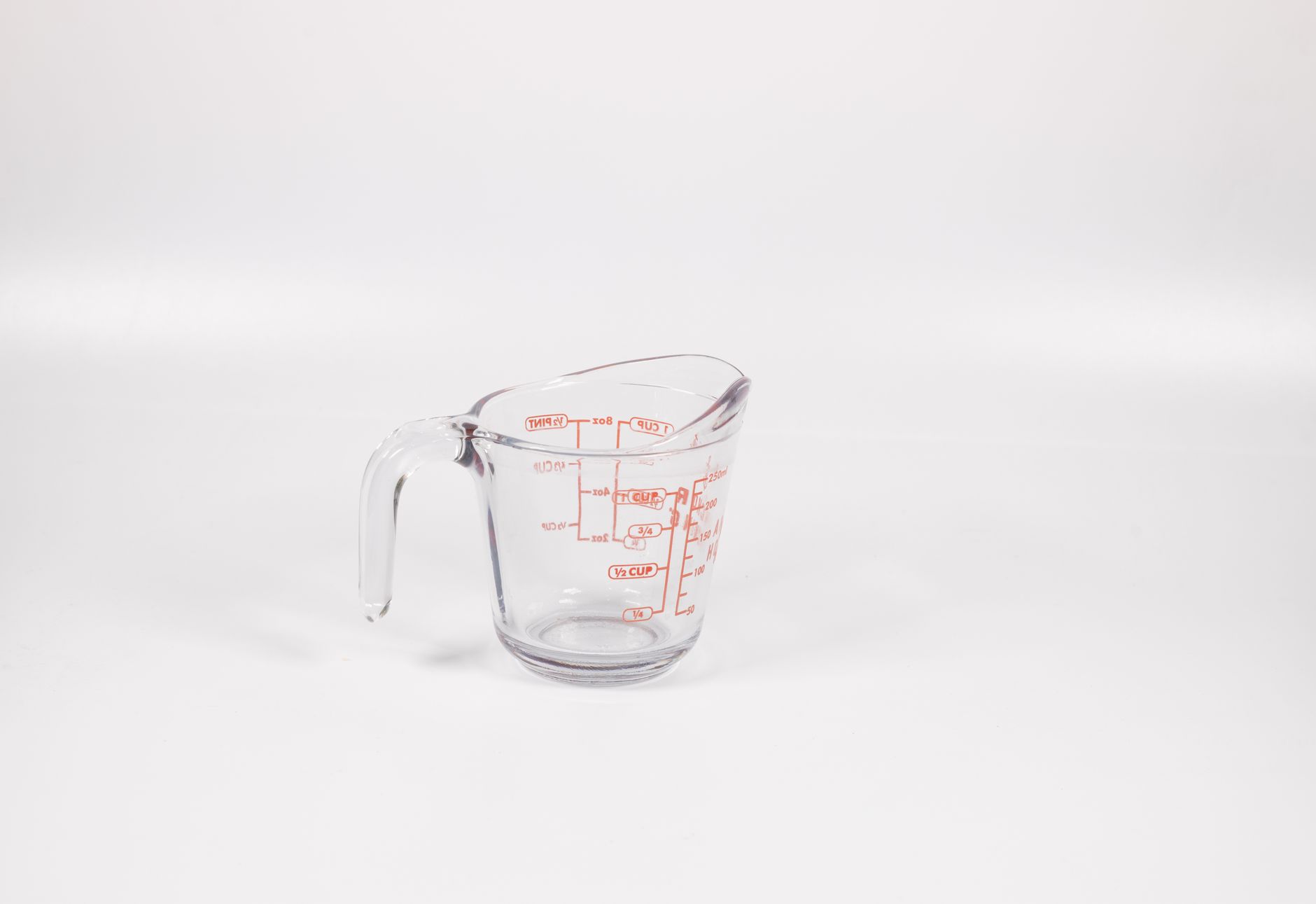
When cooking or baking, precise measurements are crucial, particularly when it comes to ingredients like yogurt. Knowing how to convert ounces of yogurt into cups can save you time and ensure your recipes turn out perfectly. So, how many cups is 5.3 oz of yogurt?
5.3 ounces of yogurt is equivalent to about 0.66 cups, which can be conveniently rounded to approximately two-thirds of a cup. This conversion can be handy in various cooking and baking contexts.
How Many Cups Is 5.3 Oz of Yogurt?
To provide a straightforward answer: 5.3 oz of yogurt is approximately 0.66 cups. This measurement is important for anyone looking to follow recipes accurately, especially in baking, where precision often dictates success.
For those more familiar with the metric system, it’s helpful to note that 5.3 ounces converts to about 150 grams of yogurt. Understanding both measurement systems can help navigate recipes from different regions.
The Importance of Accurate Measurements in Cooking
Understanding conversions like ounces to cups is vital for any home cook or baker. Inaccurate measurements can lead to undesired results, whether it’s the consistency of a batter, the flavor balance in a dish, or the texture of a finished product.
For example, when baking a cake, using the exact amount of yogurt can affect the moisture level and density. If a recipe calls for a specific measurement and you deviate significantly, the results can be unpredictable.
Common Types of Yogurt
Before diving into recipes or ways to use yogurt, it’s important to recognize the different types of yogurt available. Each type can slightly alter the flavor and texture of your dish:
- Plain Yogurt: Unflavored and unsweetened, plain yogurt is the most versatile. It’s commonly used in both savory and sweet dishes.
- Greek Yogurt: Thicker and creamier due to the straining process, Greek yogurt can add a rich texture to recipes and is often used for dips and dressings.
- Flavored Yogurt: This variant contains added sugars and flavors, making it ideal for snacking or breakfast but less suitable for baking.
- Non-Dairy Yogurt: Made from alternatives like almonds or coconut, these options are useful for those avoiding dairy.
How to Measure Yogurt Accurately
Measuring yogurt accurately can sometimes be tricky due to its thickness and tendency to stick to containers. Here are a few practical tips:
- Use a Liquid Measuring Cup: A clear liquid measuring cup with measurement markings will help achieve accurate results. Pour in the yogurt until it reaches the desired level.
- Spoon and Level: If using a dry measuring cup, spoon the yogurt into the cup and level it off with a flat edge. This method helps remove excess air and provides a more exact measure.
- Weighing the Yogurt: If precision is key, weigh the yogurt. Using a kitchen scale allows you to measure out exactly 5.3 ounces without any guesswork.
Conversions Between Ounces and Cups
Understanding how to convert ounces to cups for yogurt can benefit various cooking projects. Here is a quick reference to common conversions:
| Ounces | Cups |
|---|---|
| 1 oz | 0.125 cups |
| 2 oz | 0.25 cups |
| 4 oz | 0.5 cups |
| 5.3 oz | 0.66 cups |
| 8 oz | 1 cup |
Using Yogurt in Recipes
Yogurt is a highly versatile ingredient that can enhance both savory and sweet dishes. Here are some ways to incorporate yogurt into your cooking:
Baking
Yogurt can serve as a substitute for sour cream or buttermilk in recipes, adding moisture and tang. Here are some ideas:
- Cakes: Incorporate yogurt into cake batters to create a moist texture.
- Bread: Use yogurt for a tender crumb in quick breads and muffins.
- Pancakes: Add yogurt to pancake batter for fluffiness and richness.
Cooking
Yogurt can also enhance main courses. Here are a few suggestions:
- Marinades: Use yogurt as a base for marinades to tenderize meats.
- Curries: Add yogurt at the end of cooking for creaminess without the heaviness.
- Dressings: Blend yogurt with herbs for a delicious salad dressing.
Desserts
Yogurt can be a light and refreshing addition to desserts. Consider these ideas:
- Parfaits: Layer yogurt with granola and fresh fruit for a delicious breakfast or snack.
- Smoothies: Blend yogurt with fruits and vegetables for a nutritious drink.
- Cakes: Incorporate yogurt into frostings for a light texture.
Substituting Yogurt in Recipes
When yogurt is not available, or if you’re looking for alternatives, here are common substitutes:
- Buttermilk: In a 1:1 ratio for moistness. Add a tablespoon of vinegar or lemon juice to milk for a quick substitute.
- Sour Cream: Also in a 1:1 ratio, sour cream has a creamy texture that closely resembles yogurt’s.
- Silken Tofu: Blend it for a vegan option that mimics plain yogurt.
- Cottage Cheese: Blend until smooth as a low-fat, high-protein alternative.
Common Mistakes When Using Yogurt
Even experienced cooks sometimes make errors when working with yogurt. Here are a few common pitfalls:
- Not accounting for thickness: Greek yogurt is thicker and more concentrated than regular yogurt. Adjust liquid proportions in recipes accordingly.
- Adding yogurt too early: In cooking, adding yogurt to a hot dish can cause curdling. Tempering by gradually introducing it to the dish can prevent this.
- Ignoring expiration dates: Always check the freshness of yogurt before use, as expired dairy can affect the final dish.
How to Store Yogurt
Proper storage of yogurt extends its shelf life and maintains its quality:
- Refrigeration: Store yogurt in the fridge, usually good for about 1-3 weeks after the “sell by” date if unopened.
- Opened Yogurt: Once opened, use it within 7-10 days for best taste and quality.
- Freezing Yogurt: While yogurt can be frozen, it may alter the texture. Freeze in ice cube trays for smoothies.
Using Yogurt in Meal Planning
Incorporating yogurt into meal planning can provide a nutritious and versatile option for various meals. Consider these meal ideas:
- Breakfast: Combine yogurt with fruits and nuts for a wholesome start to the day.
- Lunch: Use yogurt in creamy dressings or dips paired with fresh vegetables.
- Dinner: Experiment with yogurt-based marinades for grilled meats or roasted vegetables.
- Dessert: Finish your meal with a yogurt-based parfait or frozen yogurt.
Conclusion
Understanding how to convert measurements like 5.3 oz of yogurt into cups is essential for any cook or baker. With this knowledge, you can ensure your recipes come out as intended and explore new ways to incorporate yogurt into your meals.
Explore more about other ingredients and recipes, such as how to make chia pudding with coconut milk and figure out how long cottage cheese lasts after opening. These topics will enrich your culinary skills and expand your kitchen repertoire.