
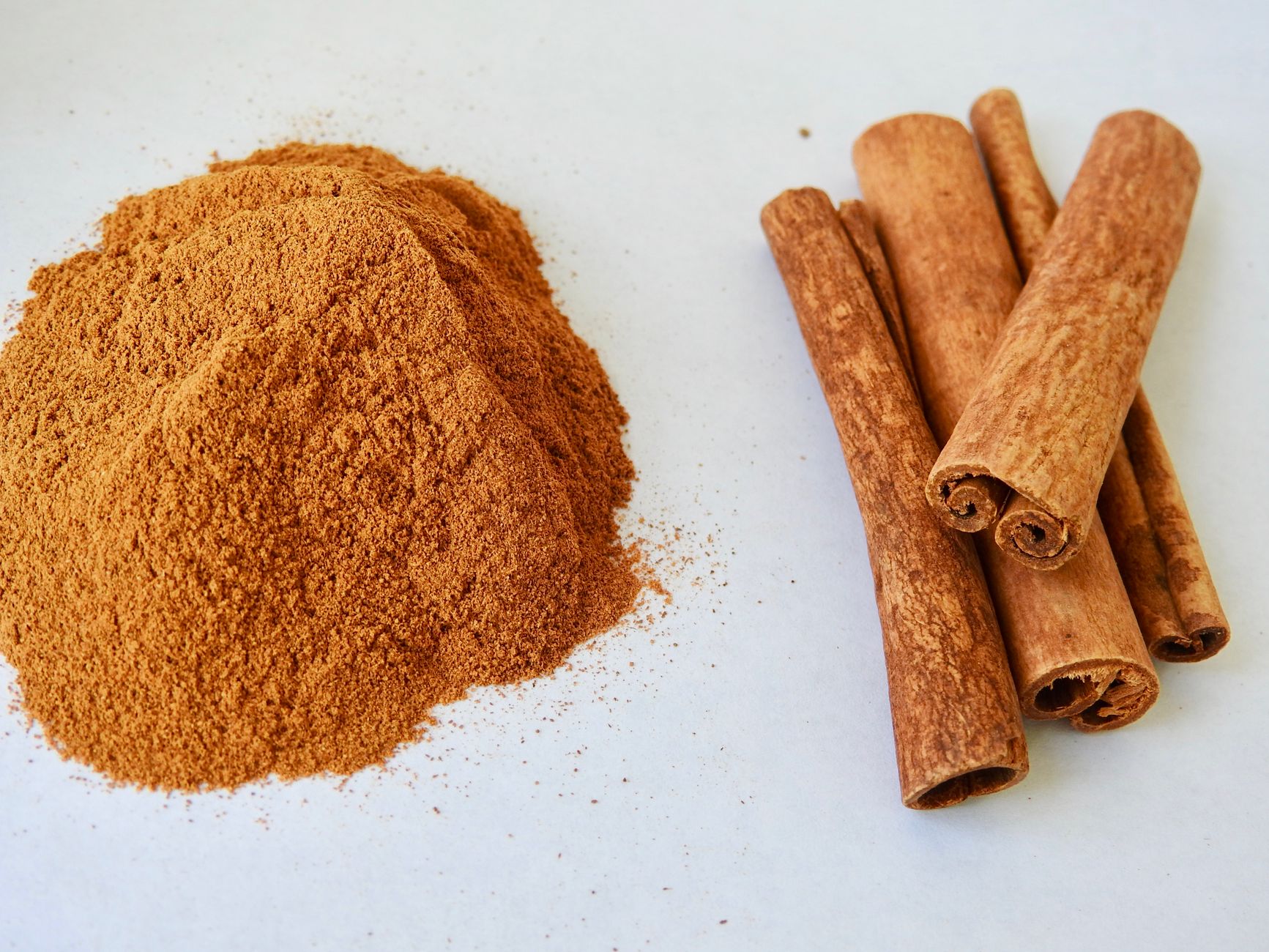
Cinnamon is a cherished spice found in kitchens around the world, known for its warm and comforting flavor. However, not all cinnamon is created equal. With a variety of types available, each boasting unique characteristics and benefits, it’s essential to understand which cinnamon is better for you. This guide will delve into the different types of cinnamon, their health implications, culinary uses, and how to choose the right one for your cooking needs.
Whether you’re sprinkling it on oatmeal, incorporating it into baked goods, or using it in savory dishes, knowing the distinctions between varieties like Ceylon and Cassia can enhance your culinary experience. Let’s explore the fascinating world of cinnamon!
Which Cinnamon Is Better for You?
Ceylon cinnamon, often referred to as “true cinnamon,” is considered healthier than Cassia cinnamon due to its lower coumarin content, which can be harmful in large amounts. Generally, Ceylon is preferred for versatile culinary uses and health benefits, while Cassia is more commonly found and budget-friendly. However, personal taste and specific cooking needs can influence your choice.
The Different Types of Cinnamon: A Closer Look
Cinnamon comes in several forms, but the two most common types are Ceylon and Cassia. Understanding their differences can help you make an informed choice based on flavor, health benefits, and culinary applications.
Ceylon Cinnamon
- Flavor and Aroma: Ceylon cinnamon has a delicately sweet and complex flavor with subtle citrus notes. Its aroma is fragrant yet light.
- Culinary Uses: Due to its refined flavor profile, Ceylon cinnamon is excellent for desserts, beverages, and dishes where a hint of sweetness is desired without overwhelming other flavors.
- Health Benefits: Ceylon cinnamon has lower levels of coumarin, making it safer for regular consumption. It may possess anti-inflammatory properties and help regulate blood sugar levels.
Cassia Cinnamon
- Flavor and Aroma: Cassia cinnamon is bolder and spicier than its Ceylon counterpart. It has a warming essence that can dominate dishes.
- Culinary Uses: This type of cinnamon is commonly used in spice blends, savory dishes, and pastries where a strong cinnamon flavor is desired.
- Health Concerns: Cassia cinnamon contains higher levels of coumarin, which may be harmful if consumed in excessive amounts over time.
How to Choose the Right Cinnamon
When selecting cinnamon, consider the following factors to ensure you choose the best type for your needs:
Quality and Authenticity
To ensure you’re purchasing authentic Ceylon cinnamon, look for reputable brands and sources. Ceylon cinnamon is often labeled as “Ceylon” or “true cinnamon,” while Cassia might be simply labeled as “cinnamon.” Reading the ingredient list is essential, as many products sold as cinnamon may actually be a blend.
Form of Cinnamon
- Ground Cinnamon: Protect ground cinnamon from light and moisture to maintain freshness. It’s suitable for baking and cooking.
- Whole Cinnamon Sticks: Often used for infusions, whole sticks last longer than ground cinnamon and can be ground at home when needed.
- Cinnamon Oil: This potent form is used in flavoring and should be used sparingly due to its strength.
Buying and Storage Tips
- Choose organic options when possible to avoid pesticides.
- Store cinnamon sticks or ground cinnamon in an airtight container, away from sunlight, for optimal freshness.
- Check the expiration date and try to purchase from stores with high turnover to ensure product freshness.
Culinary Uses of Cinnamon in the Kitchen
Cinnamon isn’t just for sweet treats; its versatility makes it a fantastic addition to various dishes. Here’s how to incorporate cinnamon into your cooking:
Baking
- Desserts: Use Ceylon cinnamon in cakes, cookies, and muffins to bring warmth and depth to baked goods. It pairs well with apples, pears, and chocolate.
- Breads: Add to cinnamon rolls, babka, or French toast for that classic flavor.
Cooking
- Savory Dishes: Incorporate Cassia cinnamon into Moroccan tagines, Indian curries, and chili for a warm, spiced note.
- Grains and Legumes: Add to rice dishes, quinoa, or lentil soups for depth.
Beverages
- Teas and Coffees: Sprinkle cinnamon on top of your coffee or steep it in tea for added flavor.
- Smoothies: Blend ground cinnamon into fruit smoothies for an inviting warmth.
Practical Substitutions
When you run out of one type of cinnamon, don’t worry! Here are some practical substitutions to consider:
- Cassia for Ceylon: While it’s stronger, you can use a slightly lesser amount of Cassia if Ceylon is unavailable. Start with ¾ the amount.
- Cinnamon and Nutmeg: A mixture of equal parts ground cinnamon and nutmeg can create a spice blend similar to cinnamon.
- Cinnamon Extract: If using cinnamon extract instead of ground cinnamon, use about ¼ teaspoon as a substitute for every teaspoon of ground cinnamon.
Common Mistakes and Troubleshooting
When using cinnamon in your cooking, certain mistakes can occur. Here are some common pitfalls and tips for troubleshooting:
Overuse of Cassia Cinnamon
The intense flavor of Cassia can overwhelm dishes. Start with small amounts and taste as you go to avoid overpowering your recipe.
Storage Issues
If your ground cinnamon loses its aroma and flavor, it might be stale. Always store cinnamon in an airtight container away from heat and light, and consider buying whole sticks for longer shelf life.
Wrong Type for the Dish
Ceylon works well in sweet dishes, while Cassia is better for spicy and savory applications. Understanding your dish type can greatly improve your results.
Health Considerations and Benefits of Cinnamon
Cinnamon is not only a delicious spice but also offers a range of health benefits. However, it’s essential to consider the type of cinnamon you’re consuming:
Ceylon Cinnamon Health Benefits
- Lower Coumarin Levels: Ceylon cinnamon is safer for regular use, especially for those with liver concerns or those taking medications.
- Anti-Inflammatory Properties: May help reduce inflammation within the body, improving overall health.
- Blood Sugar Regulation: Some studies suggest Ceylon cinnamon can help improve insulin sensitivity.
Cassia Cinnamon Health Concerns
- High Coumarin Content: Regular consumption of Cassia cinnamon could lead to health risks. It’s advisable to limit intake to avoid potential liver damage.
- Possible Allergic Reactions: Some individuals may experience allergic reactions or sensitivities to Cassia cinnamon.
Conclusion
Choosing between Ceylon and Cassia cinnamon ultimately depends on your preferences and needs. Ceylon cinnamon is generally the healthier choice, with a milder flavor that complements a wide range of dishes. Cassia cinnamon, while robust and more widely available, should be consumed in moderation due to health concerns linked to coumarin.
Whether you are enhancing your morning oatmeal, baking a delicious pie, or creating a savory curry, cinnamon brings a unique flavor and aroma that can elevate any dish. Explore the types, textures, and flavors of this remarkable spice, and find the cinnamon that suits your culinary journey.
For more delicious ideas, check out our cinnamon roll recipe and discover the story behind the Amish cinnamon bread recipe, which use this versatile spice beautifully!