
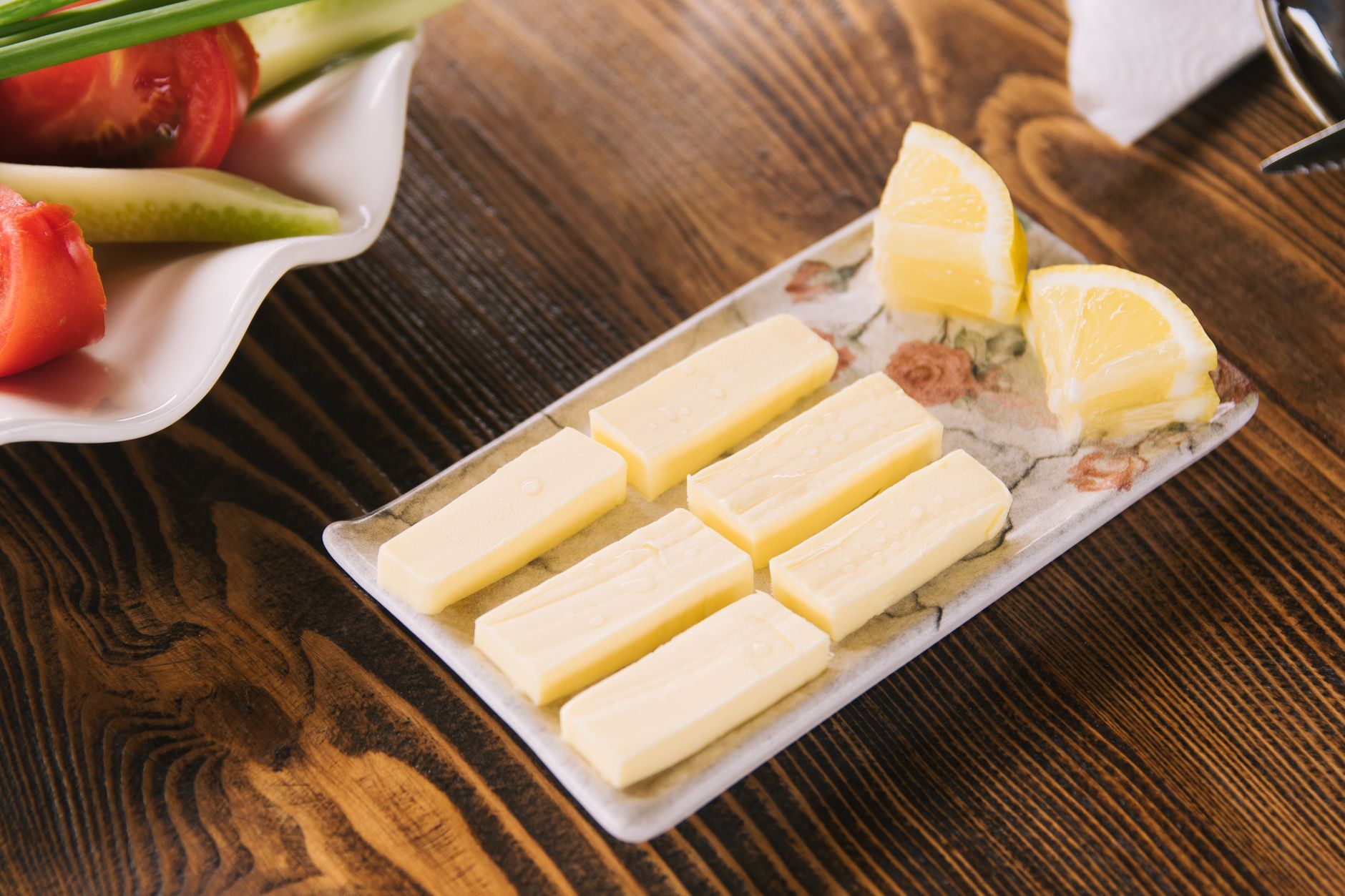
Butter is a staple ingredient in many kitchens and is essential for both cooking and baking. It’s important to know how to measure it accurately since it impacts the taste, texture, and overall success of your dishes. If you’re wondering how much is half a stick of butter, the answer can vary slightly based on the measurement system you’re using.
In the United States, a standard stick of butter weighs 4 ounces or 113 grams. Therefore, half a stick of butter amounts to 2 ounces or 57 grams. Understanding these measurements and how to use them can simplify your cooking and baking endeavors. Let’s dive deeper into the world of butter measurements, conversions, and useful cooking tips.
How Much Is Half a Stick of Butter?
Half a stick of butter equals 2 ounces or 57 grams. This measurement is standard in the U.S. and is crucial for accurate baking and cooking. Knowing how to convert butter measurements to other forms can help you avoid mistakes, especially in recipes that call for specific amounts. Let’s explore more about why this is important and how to handle butter in various culinary applications.
Understanding Butter Measurements
Butter is typically sold in sticks in the United States, with each stick commonly divided into 8 tablespoons. This means:
- 1 stick of butter = 4 ounces = 113 grams
- Half a stick = 2 ounces = 57 grams = 4 tablespoons
- 1 tablespoon of butter = 0.5 ounces = 14 grams
These conversions are essential when you are adjusting recipes or preparing smaller quantities. Butter is often used for flavor, moisture, and structure in recipes, making accurate measurements vital.
The Role of Butter in Cooking and Baking
Butter is not just a fat; it also contributes to flavor and creates texture in baked goods. Here are a few roles butter plays in various culinary applications:
Culinary Uses of Butter
- Flavor: Butter adds a rich, creamy taste that enhances both sweet and savory dishes.
- Texture: In baking, the type of butter used can affect whether your baked goods are flaky, tender, or chewy.
- Moisture: It helps maintain moisture in baked products, preventing them from becoming dry.
- Binding Agent: In certain recipes, butter helps bind ingredients together.
Different Types of Butter
Not all butter is created equal. Understanding your options can help you make informed choices for your cooking and baking:
- Salted Butter: Contains salt, enhancing flavor. A good choice for general cooking.
- Unsalted Butter: Pure butter without added salt. Preferred in baking for better control over ingredients.
- European Style Butter: Contains a higher fat percentage (around 82%). Adds flavor and richness to recipes.
- Clarified Butter: The water and milk solids have been removed, resulting in a fat that has a higher smoke point.
- Vegan Butter: Plant-based substitutes that mimic the qualities of traditional butter.
Accurate Butter Measurements Are Essential
Using precise measurements can drastically change the outcome of a recipe. Here’s how to measure butter accurately:
How to Measure Butter
- Using Sticks: Check the markings on the wrapper. Each tablespoon is often marked on the stick.
- Using a Kitchen Scale: For precise measurements, weigh the butter. Remember, half a stick should be 2 ounces or 57 grams.
- Using Tablespoons: If your recipe calls for tablespoons, use a measuring spoon to scoop out the amount needed.
- For Melted Butter: If your recipe calls for melted butter, ensure to measure once melted and cooled slightly for accuracy.
Common Mistakes When Measuring Butter
Even seasoned cooks can make mistakes when measuring butter. Here are some common pitfalls:
- Melting Butter: Measuring butter in its melted state can lead to inaccuracies. Always measure solid butter first.
- Misinterpreting Sticks: Pay attention to wrappers and measurements; not all butter brands use the same stick sizes.
- Assuming Weight: Just because a recipe states a volume (e.g., cups) doesn’t mean weight is equivalent. Always convert accurately.
Ingredient Substitutions for Butter
Sometimes you may need to substitute butter for health reasons, dietary preferences, or simply because you’re out of it. Here are some reliable substitutes:
- Vegetable Oil: Use 3 tablespoons of oil for every 4 tablespoons of butter. This can alter the texture, making baked items more moist.
- Applesauce: A common substitute in baking, using unsweetened applesauce can reduce fat content. Use in equal amounts but be aware this may make baked goods denser.
- Coconut Oil: A 1:1 ratio substitution for butter, coconut oil will impart a subtle coconut flavor.
- Ghee: This clarified version of butter can be used in equal measure and gives a rich flavor profile.
- Shortening: Suitable for baking, especially for cookies. Use 1:1 but can slightly change the texture.
Cooking with Half a Stick of Butter
Now that you know how to measure butter accurately, let’s discuss how to use half a stick of butter in various recipes. Here are some practical applications:
Baking Cookies
For a classic cookie recipe, half a stick of butter is often the perfect amount. Here’s a quick rundown of how it might fit into a cookie recipe:
- Follow a basic recipe for chocolate chip cookies, substituting half a stick of butter (2 ounces) allows you to control fat levels.
- For chewy cookies, consider using brown sugar, while granulated sugar may lead to crispier cookies.
Making Sauces
Butter is crucial for many sauces. Half a stick of butter can enrich sauces, accentuate flavors, and create a velvety texture:
- For a simple garlic butter sauce, melt half a stick with minced garlic and a handful of herbs.
- This can be used as a topping for pasta, veggies, or seafood.
Storing Butter Properly
Storage is equally important for maintaining butter’s quality and flavor. Here’s how to do it right:
Refrigerating Butter
- Keep butter in its original wrapper when storing in the fridge. It’s best stored in an airtight container to prevent it from absorbing odors.
- Butter can last several months in the refrigerator, but for best quality, use it within the first month.
Freezing Butter
- For long-term storage, butter can be frozen. Wrap it tightly in plastic wrap and then place it in a freezer bag. It can last up to a year.
- To use frozen butter, transfer it to the refrigerator to thaw overnight.
Practical Tips for Cooking with Butter
While butter is relatively easy to work with, some tips can enhance your cooking experience:
- Room Temperature: If a recipe calls for softened butter, let it sit at room temperature for about 30 minutes. This helps it blend more easily with other ingredients.
- Chilled Butter: When making pie crusts, keep butter very cold. This will help achieve a flaky texture in the final product.
- Re-melt if Necessary: If you find your butter is too solid for a recipe calling for softened butter, slightly microwave it in small increments. Avoid melting completely.
Exploring Butter Recipes
Now that you’ve mastered the basics of how to measure and store butter, consider experimenting with two delicious recipes involving half a stick of butter:
- Butter Swim Biscuits: This recipe highlights the rich flavor of butter combined with simple ingredients for light, flaky biscuits.
- Cinnamon Rolls: Use half a stick of butter to enhance the dough’s flavor and moisture, combined with a sweet cinnamon filling.
Understanding butter’s measurements, roles, and storage can significantly improve your cooking and baking. Knowing that half a stick is 2 ounces or 57 grams enables you to follow recipes accurately and make necessary substitutions when needed. Keep experimenting with butter to master its use in your kitchen!
Feel free to explore more related recipes and tips for cooking with butter to elevate your kitchen skills. Don’t hesitate to discover the delightful textures and flavors in cinnamon rolls and butter swim biscuits. Happy cooking!