
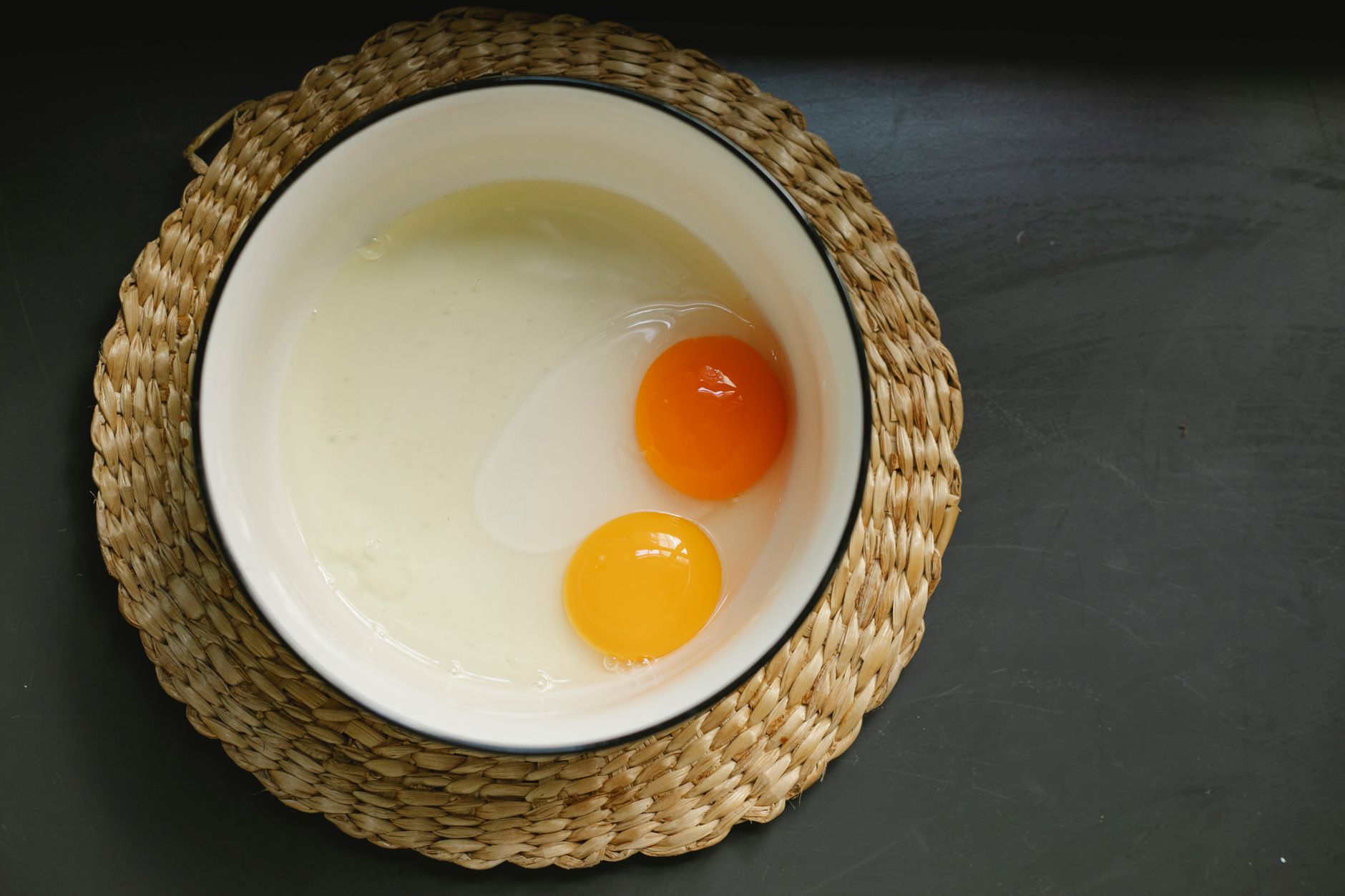
Eggs have long been a staple in kitchens around the world, revered for their versatility and nutritional benefits. When it comes to their protein content, many wonder whether the majority is found in the egg white or yolk. Understanding this can help you make informed choices about how to incorporate eggs into your diet.
This article explores the protein distribution between egg whites and yolks, delving into their nutritional profiles, culinary uses, and health implications.
Is the Protein in the Egg White or Yolk?
The majority of an egg’s protein is found in the egg white, which contains about 60% of the egg’s total protein content. The yolk, while it has fewer grams of protein, contains essential nutrients and healthy fats, making both parts beneficial in their own right.
An Overview of Egg Composition
Before diving into protein specifics, it’s essential to understand the basic components of an egg.
- Egg White: Also known as the albumen, the egg white is mostly water (about 90%) and is where the majority of protein resides.
- Yolk: The yolk contains fats, cholesterol, vitamins, and minerals alongside a smaller amount of protein.
- Shell: The outer layer provides structural integrity but is not consumed.
Protein Distribution in Eggs
Let’s break down the protein content of a typical large egg, which weighs about 50 grams.
| Component | Protein Content (g) |
|---|---|
| Egg White | 3.6 |
| Egg Yolk | 2.7 |
| Total | 6.3 |
This breakdown illustrates that while the egg white contributes the most protein by weight, the yolk still provides a significant protein intake.
Nutritional Profiles of Egg Whites and Yolks
Both egg whites and yolks have distinct nutritional benefits. Understanding these can help clarify why both components are valuable in different culinary applications.
Egg Whites
Egg whites are low in calories, primarily composed of water and protein. The absence of fat and cholesterol makes them a popular choice for those aiming for high-protein, low-calorie dishes.
- Calories: Approximately 17 per large egg white
- Protein: About 3.6 grams
- Fat: 0 grams
- Carbohydrates: 0.4 grams
- Cholesterol: 0 mg
Egg Yolks
While egg yolks have less protein than egg whites, they play a crucial nutritional role with their rich content of vitamins and minerals, as well as healthy fats.
- Calories: Approximately 55 per large egg yolk
- Protein: About 2.7 grams
- Fat: About 4.5 grams
- Carbohydrates: Less than 1 gram
- Cholesterol: Approximately 186 mg
- Vitamins: Rich in B vitamins, vitamin A, D, E, and folate
Health Benefits of Egg Whites and Yolks
Eggs, particularly when consumed in moderation, offer various health benefits. Understanding these can assist in meal planning and dietary choices.
- Egg Whites: Ideal for muscle building due to their high protein content. Perfect for post-workout meals.
- Egg Yolks: Provide essential fats that help absorb fat-soluble vitamins. They are also high in choline, vital for brain health.
Culinary Uses for Egg Whites and Yolks
Eggs can be prepared in numerous ways, highlighting either the egg whites, yolks, or both together. Here are some popular culinary applications:
Using Egg Whites
Egg whites are commonly used in various food preparations, especially when a light texture is desired. Some examples include:
- Merengues: Whipped egg whites are beaten with sugar to create light, airy textures.
- Angel Food Cake: This cake relies on whipped egg whites for its signature fluffiness.
- Soufflés: Egg whites add volume and airiness to dishes that require baking.
Using Egg Yolks
Egg yolks can enrich dishes and contribute to savory flavors:
- Custards and Sauces: Yolk creates a creamy richness essential for custards and hollandaise sauce.
- Rice Dishes: Yolk can be combined with hot rice to create a creamy, richer texture.
- Mayonnaise: Egg yolks are the foundation of emulsified sauces like mayonnaise, lending creaminess.
Common Questions About Egg Protein
When it comes to eggs and their protein content, several frequent questions arise.
Can You Eat Egg Whites Without Yolks?
Yes, egg whites can be consumed on their own. They are often favored in weight-loss diets due to their lower calorie and fat content.
Is it Healthy to Only Eat Egg Yolks?
Consuming only egg yolks can provide rich nutrients and healthy fats, but it’s essential to consider the overall balance of dietary cholesterol intake.
Are Egg Whites Better Than Yolks for Protein?
For pure protein content, egg whites score higher. However, for a balanced meal with essential nutrients, including both whites and yolks can be advantageous.
Tips for Cooking with Eggs
Cooking eggs can seem straightforward, but a few tips can elevate your dishes and avoid common mistakes.
- Always use fresh eggs for the best taste and results. Check the sell-by date or perform the “float test.”
- When separating eggs, ensure no yolk interacts with the whites for optimal whipping.
- For fluffy egg whites, use a clean, dry bowl and utensils devoid of grease or egg yolk.
Common Mistakes When Cooking Eggs
Addressing some common pitfalls can enhance your egg dishes.
- Overcooking: Overcooked eggs can become rubbery. Use low to medium heat and check doneness carefully.
- Ignoring Temperatures: Some recipes require room temperature eggs for better integration, especially in baked goods.
- Not Using Freshness Checks: Using stale eggs can ruin a dish, mainly when the texture or foam is vital.
Storage and Safety of Eggs
Proper storage of eggs ensures their longevity and safety in your meals.
- Store eggs in their original carton in the refrigerator to prevent absorption of odors.
- Avoid storing them in the door since temperature can fluctuate more there.
- Use older eggs for hard boiling as they peel more easily; fresher eggs are better for frying.
Conclusion
Understanding the protein distribution in eggs can help you make informed dietary choices. While egg whites provide more protein per serving, the yolk offers essential nutrients and healthy fats. Both parts are valuable, so incorporating them into your meals can contribute to a balanced diet.
For those interested in exploring delicious egg-based dishes, check out the Starbucks Egg White Bites Recipe for a quick high-protein breakfast or learn about how many calories are in 2 scrambled eggs to keep your meal planning on track.