
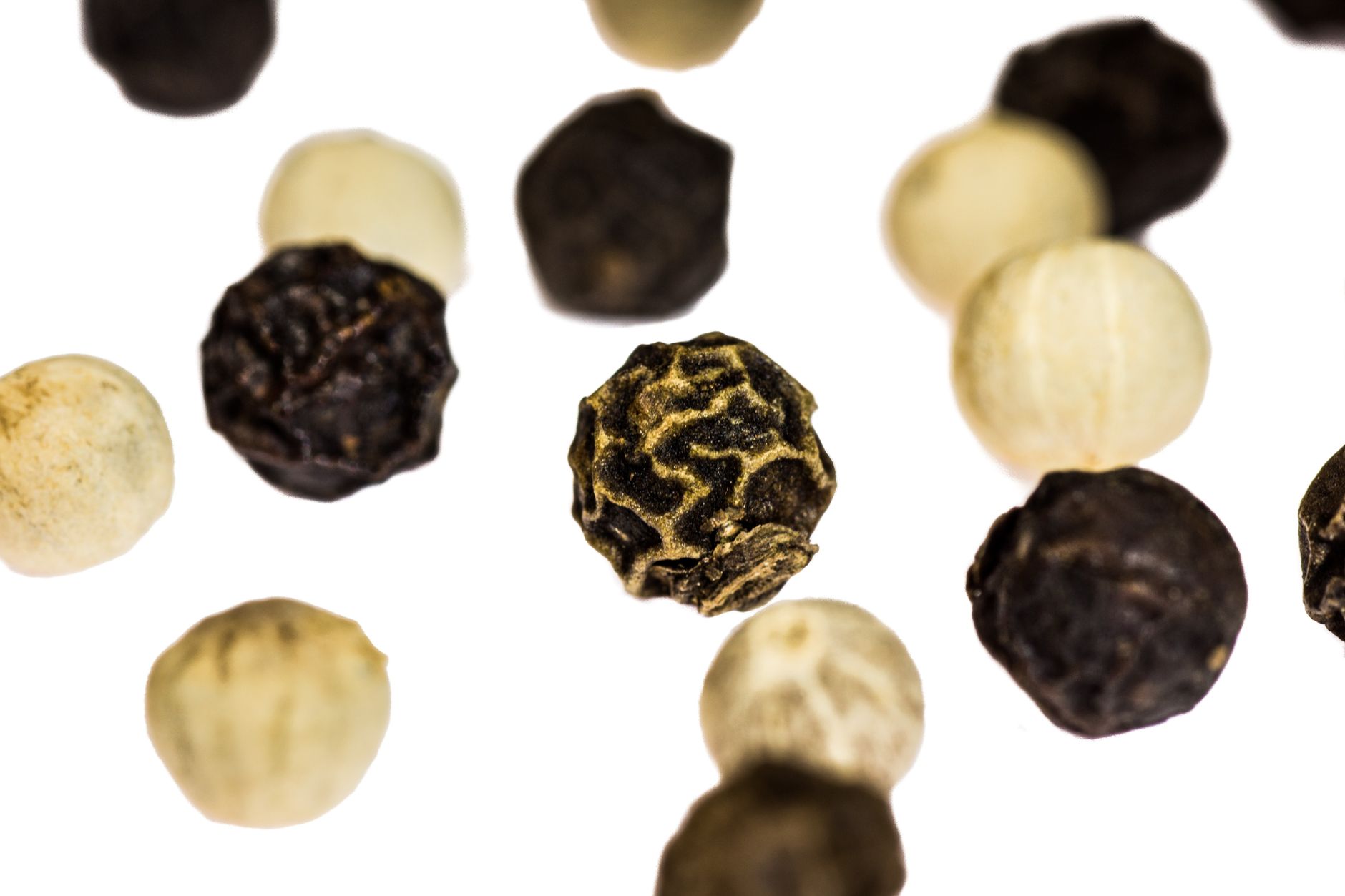
Black pepper and white pepper are both derived from the same berries of the Piper nigrum plant, but their distinct processes and characteristics create different flavor profiles and culinary uses. Understanding these differences can enhance your cooking experience, allowing you to select the appropriate pepper for your dishes.
In this article, we will explore the differences between white pepper and black pepper, including their taste, texture, and cooking applications. Whether you are a seasoned chef or a home cook, knowing these nuances will help elevate your dishes.
What Is The Difference Between White Pepper And Black Pepper?
Black pepper is made from the unripe green berries of the pepper plant, which are harvested and dried until they turn black. White pepper, on the other hand, comes from fully ripened berries; the outer skin is removed before drying, resulting in a milder flavor. The distinct processing methods contribute to their variations in taste and culinary applications.
Flavor Profiles
The flavors of black and white pepper are notably different, influencing their use in various cuisines.
Black Pepper
Black pepper has a bold, pungent flavor with hints of citrus and a subtle warmth. It contains essential oils and compounds such as piperine, which contribute to its heat. This robust flavor makes black pepper a versatile seasoning that pairs well with a wide range of dishes, including meats, vegetables, and sauces.
White Pepper
White pepper offers a more delicate and earthy flavor, with a muted heat compared to black pepper. Some describe its taste as distinctly fermented due to the processes involved in removing the outer skin of the berry. It is commonly used in white sauces, light-colored dishes, and Asian cuisines for a more understated pepper flavor.
Texture and Appearance
Another key difference lies in the texture and appearance of black and white pepper.
Black Pepper
Black peppercorns have a wrinkled, bumpy exterior that appears dark brown to black. When ground, they produce a coarse or fine powder, depending on the grinding method. The flavor intensity of freshly ground black pepper is significantly higher than pre-ground varieties, making it preferable for achieving maximum flavor impact in cooking.
White Pepper
White peppercorns have a smoother surface and a pale beige or light brown color. The husk’s removal during processing gives white pepper its distinct appearance and texture. Ground white pepper tends to be more consistent in texture and color, which is visually appealing in lighter dishes where black pepper’s dark specks would be undesirable.
Culinary Uses
The choice between black and white pepper often depends on the dish and culinary context. Here is a closer look at how each type is best used in cooking.
Cooking With Black Pepper
Black pepper is a staple in kitchens worldwide, used in both cooking and as a table condiment. It complements a vast array of ingredients, enhancing flavors in:
- Meats: Perfect for seasoning steaks, roasts, and grilled meats.
- Soups and stews: Adds depth to broths and hearty dishes.
- Vegetables: Lightly sprinkle over roasted or sautéed vegetables for an extra kick.
- Sauces and marinades: Essential in BBQ sauces, dressings, and marinade recipes.
- Egg dishes: A classic addition to scrambled eggs and omelettes.
Cooking With White Pepper
White pepper is often preferred in dishes where a clean, subtle heat is desired, including:
- Light-colored sauces: Such as cream sauces, gravies, and white wines.
- Asian cuisine: Commonly found in dishes like stir-fries, soups, and noodle dishes.
- Potato dishes: Great for mashed potatoes or potato soups where brown specks are undesirable.
- Egg dishes: Adds flavor without darkening dishes like frittatas.
- Health-conscious cooking: Ideal for those seeking to minimize visual additives in meals.
Substituting White Pepper for Black Pepper
If you find yourself in a pinch and only have one type of pepper available, you may wonder if you can substitute one for the other. Here are some guidelines:
- Flavor Impact: When substituting, keep in mind that white pepper is milder; you may need to use more for similar heat levels.
- Visual Considerations: If aesthetics are essential (for instance, in a creamy sauce), white pepper is the better substitution.
- Cultural Differences: Certain cuisines have traditional preferences, so understanding those can also guide your substitutions.
Tips for Using Black and White Pepper
To get the most out of both types of pepper, consider these cooking tips:
- Freshly ground: Invest in a good quality pepper grinder to ensure maximum freshness and flavor.
- Storage: Store both black and white pepper in airtight containers, away from light and heat to preserve their aromatic oils.
- Cooking sequence: Add black pepper early in the cooking process to develop flavor; consider adding white pepper toward the end for a burst of fresh essence.
- Experiment: Explore different combinations of spices that may enhance your dishes alongside black or white pepper.
Common Mistakes to Avoid
Here are a few frequent blunders to look out for when working with black and white pepper:
- Not grinding your own: Pre-ground pepper can lose potency and flavor quickly, making freshly ground options far superior.
- Over-seasoning: While pepper adds heat, it should not overpower a dish. Start with a small amount and adjust to taste.
- Ignoring texture: Remember that the coarseness of the grind can affect the flavor intensity, so pay attention to how finely ground the pepper is based on your dish.
Health Considerations
Both black pepper and white pepper can offer some health benefits, primarily attributed to their active compounds:
- Antioxidants: Both types contain antioxidants, which can help combat oxidative stress.
- Digestive aid: Black pepper may promote digestive health by stimulating the production of gastric juices.
- Anti-inflammatory properties: Some studies suggest potential anti-inflammatory benefits from the piperine in black pepper.
However, moderation is key. Using excessive amounts of pepper can lead to digestive discomfort or irritation in sensitive individuals.
Cultural Significance
Pepper has a long history in various cultures, often referred to as “black gold.” Both black and white pepper have been used not only as seasoning but also as currency and medicine. The global demand for pepper paved the way for trade routes and culinary exchanges across continents.
The preference for black or white pepper may vary by region. For instance, in French cuisine, white pepper is commonly used to maintain the aesthetic appearance of sauces and soups, while Italian cuisine favors black pepper for its robust flavor.
Storage and Shelf Life
Proper storage of black and white pepper ensures their longevity and flavor retention. Here’s how to store them:
- Keep both types of pepper in airtight containers, away from light, moisture, and heat to prevent loss of potency.
- Whole peppercorns can last for up to three to four years, while ground pepper is best used within six months for optimal flavor.
- Regularly check the aroma of your pepper; if it lacks fragrance, it may be time to replenish your supply.
Conclusion
Understanding the differences between white pepper and black pepper can significantly impact your culinary endeavors. Each type of pepper brings unique flavors and textures to the table, allowing cooks to create nuanced and vibrant dishes.
Experiment with both black and white pepper in your kitchen to see how they can transform your meals. A dash of black pepper can elevate the flavor of hearty meats; conversely, white pepper can enhance the sophistication of lighter sauces. Make your ingredient selections based on the specific needs of your dish to create stunning culinary results.
For more insights into cooking techniques and ingredient substitutions, check out these guides on bleached vs. unbleached flour and substitutes for coriander.