
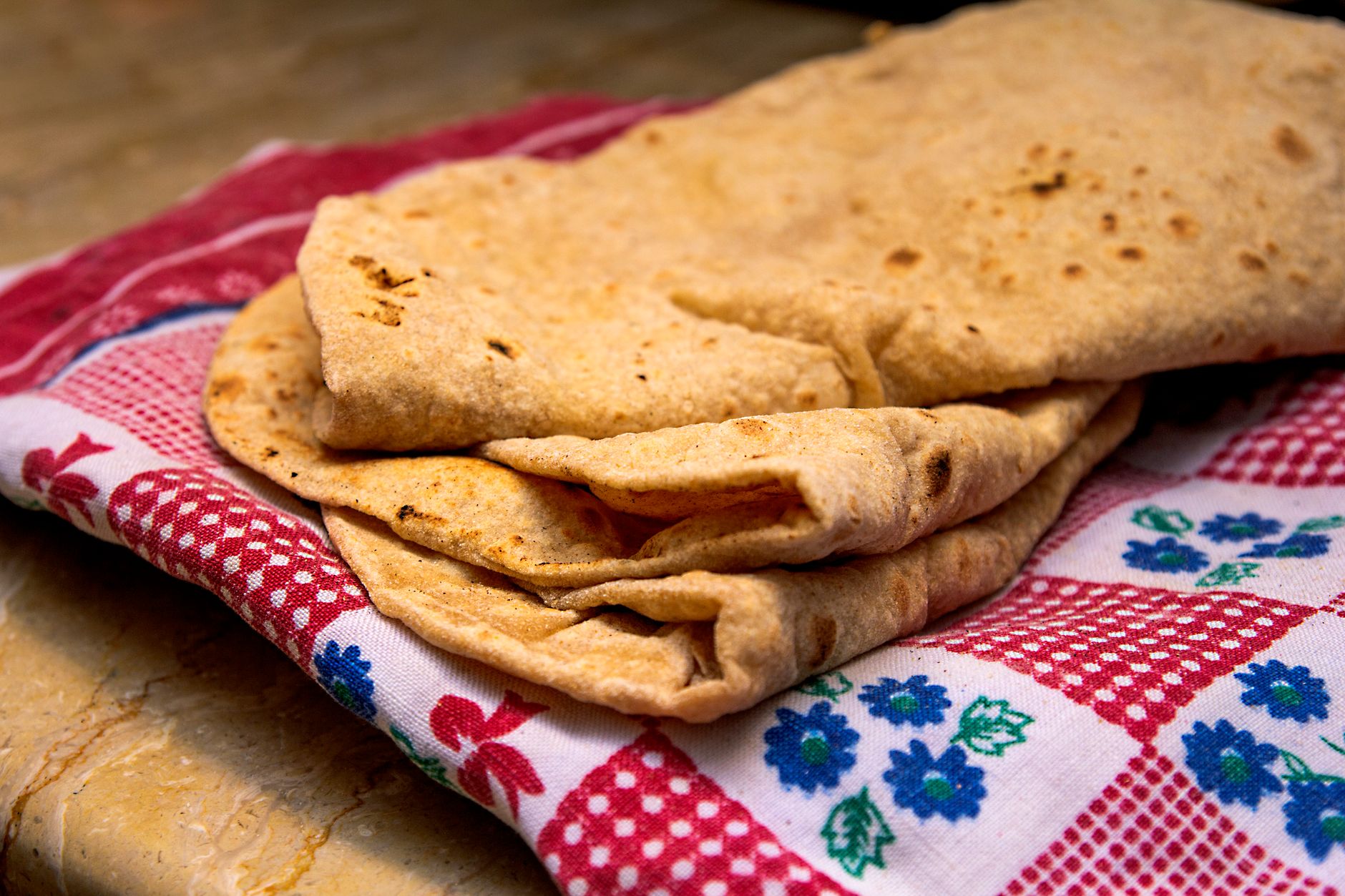
Roti is a popular unleavened flatbread often associated with Indian cuisine, enjoyed in various regional variations around the world. A common question regarding this staple is whether roti contains gluten, as many people have dietary restrictions or gluten sensitivities. This article explores the key ingredients, the implications of gluten in roti, and how to navigate labels and cross-contact in your cooking.
Understanding whether roti has gluten requires a deep dive into its typical ingredients, its variations, and the potential for gluten exposure through cross-contact in cooking and processing. We will cover the different types of roti, gluten-free alternatives, and tips for safe consumption.
Does Roti Have Gluten?
Roti typically contains gluten because it is primarily made from wheat flour, which contains two proteins, glutenin and gliadin, that form gluten when combined with water and kneaded. However, gluten-free alternatives exist, and it’s essential to check ingredient labels and potential cross-contact during preparation.
What Is Roti Made Of?
The fundamental ingredients that constitute traditional roti include:
- Wheat Flour: The primary ingredient, commonly all-purpose flour or whole wheat flour.
- Water: Used to bind the flour and create a dough.
- Salt: Added for flavor.
- Oil or Ghee: Sometimes included to enhance texture and flavor.
Since the main ingredient, wheat flour, contains gluten, traditional rotis do contain gluten, making them unsuitable for those with celiac disease or gluten sensitivities.
Different Types of Roti and Gluten Content
Roti is a category that includes various types of flatbreads made from different techniques and ingredients:
- Chapati: A type of roti made from whole wheat flour. It is unleavened and typically cooked on a hot tava (griddle).
- Naan: A leavened flatbread made from refined flour, often served in Indian restaurants. Naan also contains gluten.
- Paratha: Flaky and layered bread that can be made from whole wheat or refined flour, leading to gluten content.
- Missi Roti: This roti uses a blend of wheat and gram flour, retaining gluten due to the wheat.
- Bakri: A thicker bread made from jowar or millet flour, sometimes blended with wheat. If wheat flour is used, it will contain gluten.
Each type of roti maintains varying levels of gluten based on the flour used. Therefore, it is vital to check the specific ingredients or recipes used.
Is There Gluten-Free Roti?
For those who need to avoid gluten, there are gluten-free options for roti that utilize alternative flours. Common gluten-free flours include:
- Rice Flour: Common in many Asian regions, it produces a different texture but is naturally gluten-free.
- Chickpea Flour (Besan): Offers a nutty flavor and is high in protein, often used in Indian cooking.
- Almond Flour: Adds a rich flavor and moisture while being gluten-free.
- Coconut Flour: Very absorbent, it requires adjustments in recipes but provides a distinct taste.
- Millet Flour: A healthy, gluten-free alternative that is often used in traditional Indian bread.
When making gluten-free roti, you will likely need a combination of flours and possibly additional binding agents, such as xanthan gum, to achieve a texture similar to traditional roti. Some recipes suggest using gluten-free all-purpose flour blends for simplified cooking.
Reading Ingredients Labels
When purchasing premade roti or relevant flour, always read the ingredient labels carefully. Look for:
- Wheat Flour: Indicates gluten presence.
- Gluten-Free Labels: If a product is certified gluten-free, it is recommended for those with gluten sensitivity.
- Allergen Statements: Watch for disclaimers about processing in facilities that handle wheat or gluten products.
Products labeled gluten-free will usually follow strict FDA guidelines, ensuring they contain less than 20 parts per million of gluten, making them safer for most individuals with gluten sensitivities.
Avoiding Cross-Contact
Cross-contact can occur when gluten-containing products come into contact with gluten-free foods. To minimize this risk:
- Use Separate Utensils: Keep different cooking utensils for gluten and gluten-free options.
- Clean Surfaces Thoroughly: Ensure countertops and cooking equipment are free of flour dust before preparing gluten-free foods.
- Check Equipment: Use appliances that do not share with gluten items, such as toasters and frying pans.
Practical Substitutions for Roti Recipes
When adjusting roti recipes to accommodate gluten-free needs or personal preferences, keep in mind the impact of substitutions. Here are some practical ideas:
- Gluten-Free Flours: Substitute half and half of gluten-free flour or mixes with traditional wheat flour to ease the transition.
- Liquid Adjustments: Gluten-free flours often absorb more moisture; thus, you may need to increase the liquid in the recipe.
- Binding Agents: Use ingredients like chia seeds or psyllium husk to mimic gluten’s elasticity in gluten-free doughs.
Experimenting with flour mixtures and adjusting liquid ratios can help you achieve a satisfactory texture and flavor when making roti alternatives.
Common Mistakes When Cooking Roti
When making roti, several pitfalls can lead to undesired results. Here are some common mistakes and how to avoid them:
- Improper Dough Consistency: Ensure the dough is neither too dry nor too sticky; it should be supple and elastic.
- Insufficient Resting Time: Allow the dough to rest for at least 20-30 minutes, as this helps the gluten relax, making the roti easier to roll out.
- Incorrect Cooking Temperature: Ensure your cooking surface is adequately heated; cooking on a low heat can make the roti tough and dry.
- Overworking the Dough: Kneading too much can make the roti chewy. Aim for a light hand.
Serving Suggestions for Roti
Roti is versatile and can be paired with various dishes such as:
- Curries: Perfect with both vegetarian and non-vegetarian curries, like chana masala or chicken curry.
- Raita: A cooling side dish that goes well with spiced bread.
- Vegetable Sides: Serve with stir-fried vegetables or a fresh salad.
Roti can also be creatively used in wraps or stuffed with ingredients to make a wholesome meal.
Storage and Reheating of Roti
Proper storage can extend the life of your roti:
- Short-term Storage: Keep cooked roti warm in a sealed container or wrapped in a clean cloth for a few hours.
- Long-term Storage: Freeze roti by placing wax paper between each piece to avoid sticking, then store in an airtight freezer bag.
- Reheating: Warm frozen roti on a hot tava or skillet until pliable. You can also microwave it for about 30 seconds, but this may cause it to become chewy.
Storing your roti properly ensures that you can enjoy it fresh, even days later.
Conclusion
Understanding whether roti contains gluten is pivotal for those with gluten sensitivity, as traditional roti is wheat-based and thus contains gluten. However, with gluten-free substitutions and careful attention to ingredients and preparation, you can enjoy delicious roti tailored to your dietary needs. The exploration of gluten-free flours and mindful cooking practices allows everyone to partake in this versatile staple.
For more delicious recipes and cooking techniques, explore our sourdough naan recipe and learn about baking with einkorn bread. These resources can help you expand your culinary repertoire while staying mindful of your dietary preferences.