
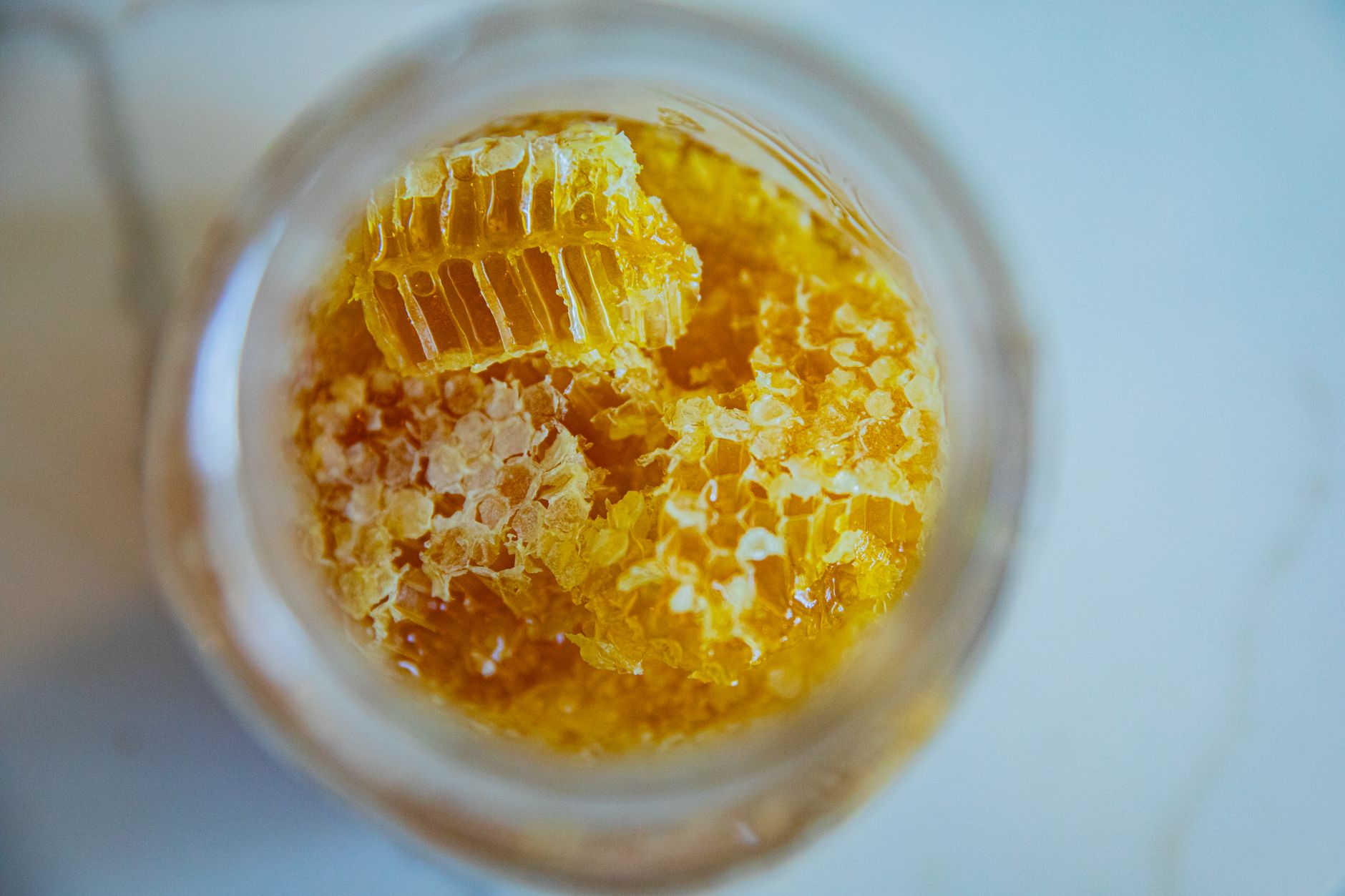
Manuka honey is a unique type of honey that is gaining popularity for its distinctive flavor and potential health benefits. Produced by bees that pollinate the flowers of the manuka tree, native to New Zealand and Australia, manuka honey has a rich, aromatic taste that sets it apart from regular honey. Its unique properties stem from the presence of a compound called methylglyoxal (MGO), which contributes to its potential health benefits.
In this article, we will explore what manuka honey is, its ingredients, taste profile, and culinary uses, as well as how you can incorporate it into your cooking and everyday life.
What Is Manuka Honey?
Manuka honey is a monofloral honey made from the nectar of the manuka tree (Leptospermum scoparium). This honey is primarily found in New Zealand, where the manuka tree grows abundantly. What distinguishes manuka honey from other types of honey is its high concentration of MGO, along with other compounds such as hydrogen peroxide and dihydroxyacetone (DHA). These unique compositions give manuka honey its special properties.
Ingredients of Manuka Honey
The main ingredients of manuka honey consist of:
- Nectar from the manuka flower
- Natural sugars such as fructose and glucose
- Water
- Minerals, vitamins, and amino acids
- Specific compounds like methylglyoxal (MGO) and dihydroxyacetone (DHA)
The presence of MGO is often measured to determine the honey’s potency and quality. Higher MGO levels generally indicate enhanced antibacterial properties, which is a significant selling point for manuka honey.
Taste Profile of Manuka Honey
Manuka honey offers a complex flavor profile that differs notably from regular honey. Here are some characteristics you can expect:
- Richness: Manuka honey has a thicker, more viscous texture compared to traditional honey.
- Aroma: It carries a strong, herbaceous aroma, often with earthy or woody notes.
- Flavor: The taste is robust, with a nutty and slightly bitter edge. Some describe hints of caramel, coffee, or even a slight medicinal quality.
- Finish: It has a lingering aftertaste, which many find uniquely satisfying.
Overall, the taste of manuka honey can be a delightful addition to various culinary applications, enhancing dishes with its unique qualities.
Culinary Uses of Manuka Honey
Manuka honey is not just a health food; it’s a versatile ingredient that can be used in a variety of culinary applications. Here are some popular ways you can incorporate manuka honey into your diet:
1. Sweetening Beverages
Manuka honey makes an excellent sweetener for teas, smoothies, and even coffee. Its robust flavor can complement herbal teas or enhance the sweetness of cold beverages. Just stir in a teaspoon or two to taste.
2. Drizzling and Glazing
Use manuka honey as a drizzle over yogurt, pancakes, or oatmeal. It can also serve as a glaze for roasted vegetables or meats, adding a beautiful shine and depth of flavor. A typical ratio for glazing is about 2 tablespoons of honey for every cup of ingredients.
3. Salad Dressings
Blend manuka honey into salad dressings for a touch of sweetness and complexity. Combine it with olive oil, balsamic vinegar, and mustard for a well-rounded dressing. A simple recipe would be:
- Whisk together 2 tablespoons of manuka honey.
- Add 4 tablespoons of olive oil.
- Incorporate 2 tablespoons of balsamic vinegar.
- Season with salt and pepper.
4. Baking
Manuka honey can replace sugar in many baked goods for added flavor and moisture. However, it’s essential to consider that honey adds extra moisture, so reducing the liquid in the recipe by about 1/4 cup for every cup of honey used is recommended. Common baked goods to use manuka honey in include:
- Cakes
- Cookies
- Breads
- Muffins
5. Marinades
Since manuka honey has antibacterial properties, it can enhance the flavor and tenderness of meat when used in marinades. Mix it with soy sauce, garlic, and ginger to create an Asian-inspired marinade for chicken or fish.
Practical Substitutions for Manuka Honey
If you don’t have manuka honey on hand, there are several substitutes you can consider. However, be aware that the flavor and health benefits may differ. Here are some alternatives:
- Regular Honey: While less potent, traditional honey can work in most recipes that call for manuka honey.
- Agave Syrup: This plant-based sweetener has a similar viscosity but offers a milder flavor.
- Maple Syrup: For a distinct flavor, maple syrup can be used but will alter the taste of the final product.
- Brown Sugar Syrup: Combining brown sugar and water can create a sweetener that mimics the richness of honey.
Common Mistakes to Avoid with Manuka Honey
While using manuka honey can elevate your dishes, there are a few missteps to watch out for:
- Heating Too High: Manuka honey can lose some of its beneficial properties if heated above 140°F (60°C). Use it in recipes that don’t require high temperatures or add it after cooking.
- Not Checking for Purity: To receive the full benefits of manuka honey, ensure you are purchasing certified products with a UMF rating that guarantees quality and authenticity.
- Using It Like Regular Sugar: Remember that manuka honey is sweeter than regular sugar, so adjustments in quantity may be necessary when substituting.
Storage and Shelf Life of Manuka Honey
Proper storage of manuka honey is essential to maintain its quality:
- Keep It Sealed: Store manuka honey in a tightly sealed container to prevent moisture absorbed from the air.
- Cool, Dry Place: Place it in a cupboard or pantry, away from direct sunlight and heat sources.
- Long Shelf Life: Due to its unique properties, manuka honey can last for years, if kept properly sealed.
Understanding MGO and UMF Ratings
When choosing manuka honey, it’s essential to understand the MGO and UMF ratings, which indicate quality and potency:
- MGO Rating: This indicates the concentration of methylglyoxal in the honey, with higher ratings signifying stronger antibacterial properties. Typical MGO ratings range from 100 to over 800.
- UMF Rating: The Unique Manuka Factor (UMF) rating measures the honey’s quality, authenticity, and purity. A UMF rating of 10 or higher is generally considered therapeutic.
Health Aspects of Manuka Honey
While manuka honey is often cited for its potential health benefits, it’s important to approach these claims with caution. Current research suggests that manuka honey may have:
- Antibacterial properties that can support wound healing
- Potential to help soothe sore throats when taken in moderation
- May help balance digestive health when consumed regularly
However, while many people enjoy its flavor and potential benefits, it should not be considered a substitute for medical treatment or a cure for diseases.
Ethically Sourced Manuka Honey
When purchasing manuka honey, consider the source. Ethical beekeeping practices ensure that honey is harvested without harming the bees or their environment. Look for:
- Certification from reliable organizations that confirm ethical sourcing
- Clear labeling regarding MGO and UMF ratings
- Brands that support sustainable practices and local beekeepers
Incorporating Manuka Honey Into Your Daily Routine
Add manuka honey to your diet in simple ways:
- Stir it into your morning coffee or tea.
- Use it as a natural sweetener in smoothies.
- Incorporate it into baked goods for moisture and flavor.
- Apply it topically with a carrier oil for skincare benefits.
Incorporating manuka honey into your everyday meals can enhance not only the flavor but also your overall culinary experience.
In summary, manuka honey is a unique and flavorful ingredient that offers versatility in cooking and potential benefits. Whether used as a sweetener or a health product, understanding its properties and uses will allow you to make the most of this extraordinary honey. Try using manuka honey today in various dishes or beverages to discover its delightful attributes for yourself.
If you’re interested in exploring more delicious recipes, check out our honey sesame chicken recipe or learn how to make honey syrup for your drinks and desserts. You can find both guides linked above, and they will surely add flavor to your culinary repertoire.