
Nitrates in food are compounds that can influence flavor, color, and preservation, showing up in a variety of foods, particularly vegetables and cured meats. While often misunderstood, nitrates play an important role in our diets — and knowing how to navigate them can enhance your culinary experience.
This article will provide an in-depth look at what nitrates are, their culinary uses, the taste and texture they impart, and how to manage them in your cooking. By understanding nitrates, you can make informed choices on how to incorporate them into your meals.
What Are Nitrates in Food?
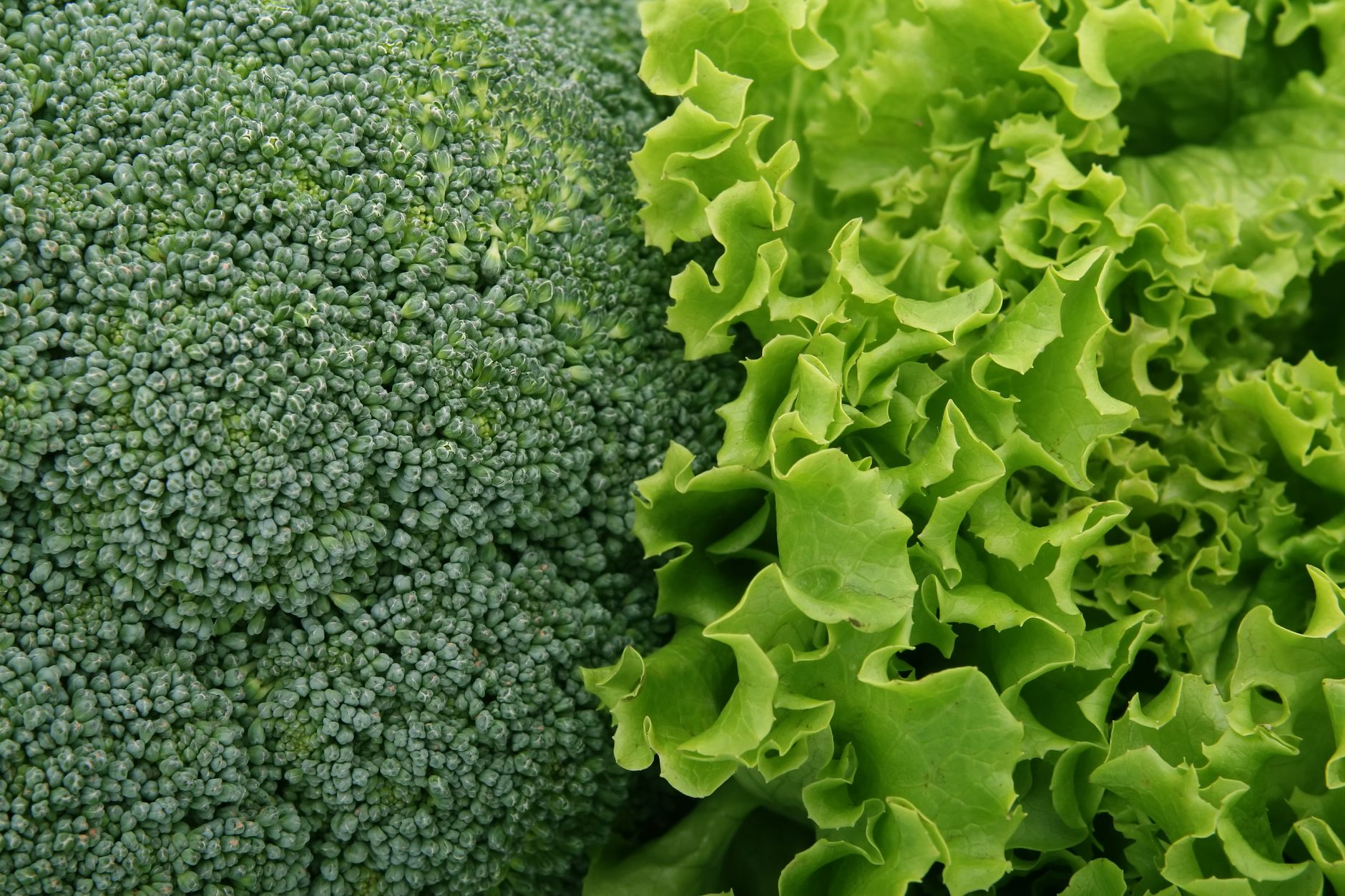
Nitrates are naturally occurring compounds composed of nitrogen and oxygen. In food, they primarily appear as sodium nitrate or potassium nitrate, which can have both positive and negative effects on culinary performance and health. They naturally occur in vegetables like spinach, beets, and lettuce, and are also used as preservatives in processed meats.
When digested, nitrates can convert to nitrites; while nitrites have been a source of controversy relating to health implications, they do serve essential function as flavor enhancers and preservatives in many recipes.
How Nitrates Affect Flavor and Texture
The presence of nitrates in food can significantly influence both flavor and texture. Here’s how:
Flavor
Nitrates can enhance the savory or umami characteristics of food, especially in cured meats. They add a distinctive taste that balances the richness of fatty meats. Foods like bacon, ham, and salami often utilize nitrates to create their signature flavors.
Texture
When nitrates are used in curing processes, they help maintain the color and texture of the meat. They create a firm, appealing bite while preventing spoilage and extending shelf life. In vegetables, nitrates help retain moisture, which contributes to a crisp texture.
Culinary Uses of Nitrates
Nitrates serve multiple purposes in cooking and food preservation, and their roles can vary across different types of food.
1. Preservation in Cured Meats
The use of nitrates in processed meats is mainly for preservation and to prevent the growth of harmful bacteria. They help maintain the meat’s vibrant color and impart a slightly tangy flavor.
2. Enhancing Vegetable Dishes
In vegetables such as beets and spinach, nitrates contribute to their nutritional benefits and can enhance the overall taste profile. Cooking methods such as blanching or steaming can preserve their nitrate content.
3. Color Retention
Nitrates help in preserving the bright color of meats, preventing them from turning brown or gray. This is especially crucial in products like hot dogs and deli meats, where visual appeal is an important aspect of consumer acceptance.
4. Nutritional Booster
Interestingly, nitrates found in many vegetables can convert to nitrites in the body, which may assist in lowering blood pressure and improving blood flow. This nutritional angle makes it advantageous to include nitrate-rich vegetables in one’s diet.
Examples of Nitrate-Rich Foods
Understanding the foods that contain nitrates can help you choose what to include in your meals. Here are some common sources:
- Vegetables: Beets, spinach, lettuce, celery, and radishes.
- Cured Meats: Bacon, salami, pepperoni, and hot dogs.
- Processed Foods: Some cheeses and pickles can also contain nitrates.
Managing Nitrates in Your Diet
While nitrates have culinary benefits, it is essential to consume them mindfully. Here are some practical tips for managing nitrates in your diet:
1. Focus on Whole Foods
Incorporating whole, unprocessed foods, particularly vegetables rich in nitrates, can provide health benefits without the negatives associated with processed meats. A diet rich in vegetables is generally encouraged.
2. Balance Your Meat Intake
If you enjoy cured meats, balance your consumption with fresh meats and include nitrates found in vegetables. This balance can help you enjoy the flavors of cured products while mitigating potential health risks.
3. Prepare Vegetables Mindfully
Cooking methods can affect the nitrate levels in vegetables. Opt for quick cooking methods such as steaming or blanching to preserve nitrates instead of boiling for long periods.
Common Misconceptions About Nitrates
Several myths surround nitrates that can mislead consumers. Here are a few clarifications:
1. Nitrates Are Not All Bad
While there has been concern about nitrates found in processed meats, it is important to note that nitrates gained from vegetables are linked to numerous health benefits, including improved cardiovascular health.
2. Cooking Doesn’t Always Reduce Nitrates
Unlike some nutrients, nitrates generally remain stable when cooked. Proper cooking methods can help retain nitrates, especially when using steam or sauté techniques.
3. Nitrites vs. Nitrates
A common misunderstanding is that all nitrates are harmful due to their conversion to nitrites. Nitrites can be harmful in large quantities but do have a purpose in small amounts found in foods that help in flavor and preservation.
Nitrites and Health Considerations
Excessive consumption of nitrites, particularly those found in processed foods, has raised concerns about potential health risks, including links to certain cancers. However, the context of consumption and overall dietary patterns make a significant difference.
1. Natural vs. Processed Sources
Focusing on nitrates from natural sources like vegetables is generally associated with better health outcomes. Their health benefits are often magnified by additional nutrients present in whole foods.
2. Recommendations for Intake
While there are no specific guidelines on nitrate intake, the general recommendation is to consume a balanced diet rich in vegetables, and to be mindful of processed meats. Moderation is key, alongside a wide variety of nutrient-dense foods.
Final Thoughts on Nitrates in the Kitchen
Nitrates are an integral part of the culinary landscape, enhancing flavor, texture, and the nutritional value of many foods. Whether you are preparing a dish with garden vegetables or using cured meats for a savory meal, understanding nitrates can elevate your cooking experience.
Practical Tips for Incorporating Nitrate-Rich Foods
Here are some practical applications of nitrate-rich ingredients in your meals:
1. Creating Salads
Incorporate nitrate-rich leafy greens such as spinach or arugula into salads. Pair them with citrus dressings to complement their flavors and introduce a touch of acidity.
2. Roasting Beetroot
Roasting beets with olive oil, salt, and pepper enhances their natural sugars while retaining their nitrate content. They serve as a nutritious addition to a variety of dishes.
3. Flavoring with Nitrate-Rich Herbs
Using herbs such as parsley and celery, both sources of nitrates, can elevate the flavors of stews and soups. Add them to dishes in the final stages of cooking to maintain their freshness.
Storage Tips for Nitrate-Rich Foods
Proper storage can help maximize the nutritional value and taste of nitrate-rich foods:
1. Store Vegetables Properly
Keep nitrate-rich vegetables in a cool, dark place or refrigerated in moisture-retentive bags to maintain freshness. Avoid washing before storing, as excess moisture can lead to spoilage.
2. Use Cured Meats Wisely
Buy cured meats in moderate quantities, as they have a longer shelf life. Refrigerate once opened and consume by the recommended date for safety and quality.
Conclusion
Nitrates are versatile compounds present in many beloved foods, from vibrant vegetables to savory cured meats. By understanding their role and nuances, you can make informed culinary choices that enhance your meals while managing your intake wisely.
For more delicious ideas, discover how to make chia pudding with coconut milk at this recipe, and learn about the benefits of chia seeds in your diet here.