
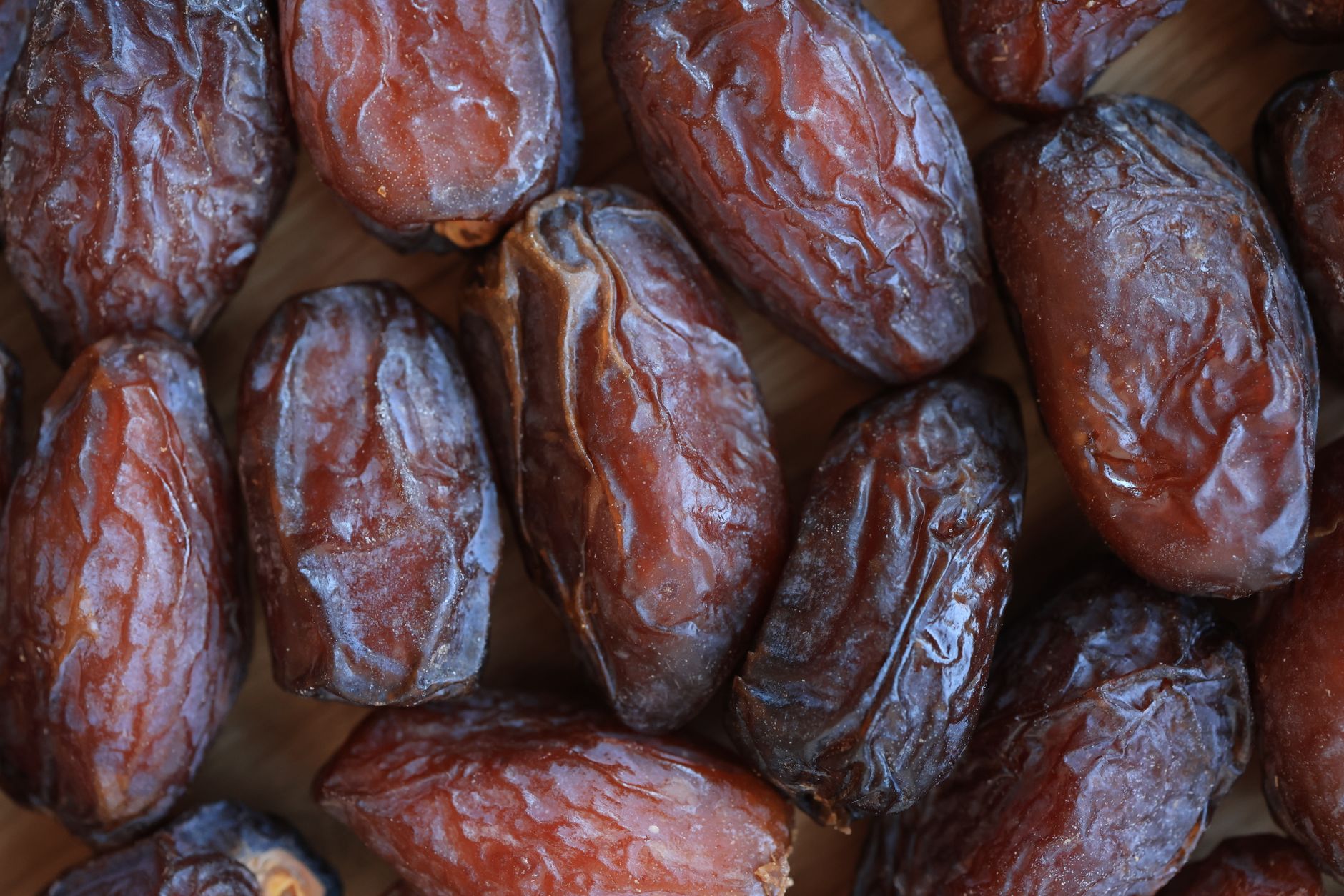
Medjool dates are celebrated for their rich, caramel-like flavor and chewy texture, making them a favorite in both sweet and savory dishes. But before they find their way into our kitchens, these succulent fruits undergo a fascinating journey from where they are grown. Understanding the regions that produce Medjool dates can enhance our appreciation for them when using them in various recipes or as a snack.
Primarily, Medjool dates are cultivated in arid regions with hot, sunny climates. The largest producers are Morocco, Israel, the United States, and Saudi Arabia. Each of these locations contributes to the distinct characteristics of the Medjool date, making them a delicious ingredient in a variety of culinary applications.
Where Are Medjool Dates Grown?
Medjool dates are mainly grown in the following regions:
- Morocco: Known for its centuries-old date palms, Morocco is a leading producer of Medjool dates. The dates from this region are often noted for their big size and rich, sweet flavor.
- Israel: The Negev Desert in Israel is famous for its date plantations. Israeli Medjool dates are known for their quality and are often exported worldwide.
- United States: California has become a significant player in Medjool date production. Specifically, the Coachella Valley provides the ideal climate and conditions for growing high-quality Medjool dates.
- Saudi Arabia: The date palm has deep cultural significance in Saudi Arabia. The country’s climate supports the cultivation of Medjool dates, which are essential to local diets and traditions.
The Ideal Conditions for Growing Medjool Dates
Medjool dates thrive in hot, dry climates with plenty of sunshine. The following conditions are essential for their successful cultivation:
- Climate: Medjool palm trees prefer temperatures between 100°F (38°C) and 120°F (49°C). They can endure high heat but are sensitive to frost and high humidity.
- Soil: These trees require well-drained sandy or loamy soil that retains moisture but does not hold water. Poor drainage can lead to root rot.
- Irrigation: While the palm trees are drought-tolerant, they benefit from regular irrigation. Drip irrigation is commonly used to ensure consistent watering.
- Pollination: Male and female date palm trees exist, and successful pollination is crucial for fruit development. Farmers typically assist in hand-pollination to ensure better yields.
The Harvesting Process
Harvesting Medjool dates is an intricate process that requires careful timing and technique:
- Determining Ripeness: Medjool dates are usually harvested between late summer and early fall. The right time for harvesting is when the dates change color from green to light brown and become soft.
- Hand Harvesting: Skilled laborers climb the palms to gently pick the ripe dates. This manual method minimizes damage to the fruit.
- Cleaning and Grading: Once harvested, dates are cleaned to remove debris and graded based on size and quality. This process ensures only the best dates reach consumers.
- Drying: After cleaning, dates may undergo a drying process to enhance their flavor and shelf-life.
Varieties and Flavor Profiles of Medjool Dates
While Medjool dates have a signature taste often associated with their variety, slight differences can occur based on their geographic origin:
- Moroccan Medjool Dates: Characterized by their large size and soft texture, these dates have a luscious sweetness with a hint of caramel.
- Israeli Medjool Dates: Known for their smooth skin and rich flavor, they are often regarded as one of the finest-quality Medjool dates available.
- California Medjool Dates: These dates are typically larger and feature a soft, chewy texture with a robust sweetness, making them a popular choice in the U.S.
- Saudi Medjool Dates: These dates embody tradition and are celebrated for their sweetness and rich taste, along with cultural significance.
Using Medjool Dates in the Kitchen
Medjool dates are versatile and can be used in numerous culinary applications. Their naturally sweet flavor can enhance many dishes:
Snacking
Fresh Medjool dates make an excellent snack on their own. Their chewy texture and natural sweetness satisfy sweet cravings without added sugars. Consider pairing them with:
- Nuts: Almonds or walnuts complement the flavor and provide a satisfying contrast in texture.
- Cheese: Creamy cheeses like goat cheese or mascarpone create a delectable sweet-savory combination.
In Salads
Adding chopped Medjool dates to salads elevates them with sweetness and texture. They pair especially well with:
- Mixed greens: Combine with arugula or spinach for depth.
- Cheese: Feta or blue cheese offers savory notes that balance the sweetness.
- Nuts: Walnuts or pecans add healthy fats and crunch.
In Baked Goods
Medjool dates can replace sugar in recipes. Consider using them in:
- Cakes: They add moisture and sweetness to cakes, muffins, and loaves.
- Granola bars: Blend dates into your granola mix to bind ingredients together and sweeten naturally.
In Smoothies and Drinks
Medjool dates add natural sweetness and thickness to smoothies. Simply blend them with:
- Berries: Strawberries, blueberries, or raspberries provide a tangy contrast.
- Leafy greens: Spinach or kale can easily be masked with sweet dates.
In Savory Dishes
Medjool dates can also add complexity to savory dishes. Try them in:
- Curry: Their sweetness balances spicy flavors in dishes like chickpea or vegetable curry.
- Stuffed meats: Use chopped dates in stuffing for poultry or meats, providing a sweet surprise.
Practical Tips for Cooking with Medjool Dates
When incorporating Medjool dates into your culinary repertoire, consider these practical tips:
- Storage: Store Medjool dates in an airtight container at room temperature for up to a month, or refrigerate for longer freshness.
- Preparation: Always remove the pit before consuming or using in recipes. Soaking them in warm water for 10 to 15 minutes can also make them easier to blend in smoothies or batters.
- Texture Considerations: Chopped dates can add a chewy texture to dishes, but if you prefer them smoother, blend them into a paste or soak them before use.
Substitutions for Medjool Dates
If Medjool dates are unavailable, consider these substitutions:
- Deglet Noor Dates: These dates are less sweet and have a firmer texture. Use 1.5 times the quantity of Deglet Noor dates compared to Medjool dates.
- Persimmons: They provide a similar sweetness but vary in texture. Use them fresh and cut into small pieces.
- Raisins or Dried Figs: Both can replicate sweetness and are suitable in baked goods, but reduce the quantity slightly as these are sweeter.
Conclusion
Medjool dates are not just delicious but also versatile ingredients that span both sweet and savory dishes, enriching culinary traditions across diverse cultures. Understanding where they are grown adds depth to the appreciation of their unique qualities. When exploring the wonders of this fruit, consider incorporating them into snacks, salads, and baked goods for an added touch of natural sweetness.
For more delicious ways to include dates in your cooking, check out our Date Cake Recipe or learn how to make your own Date Syrup.