
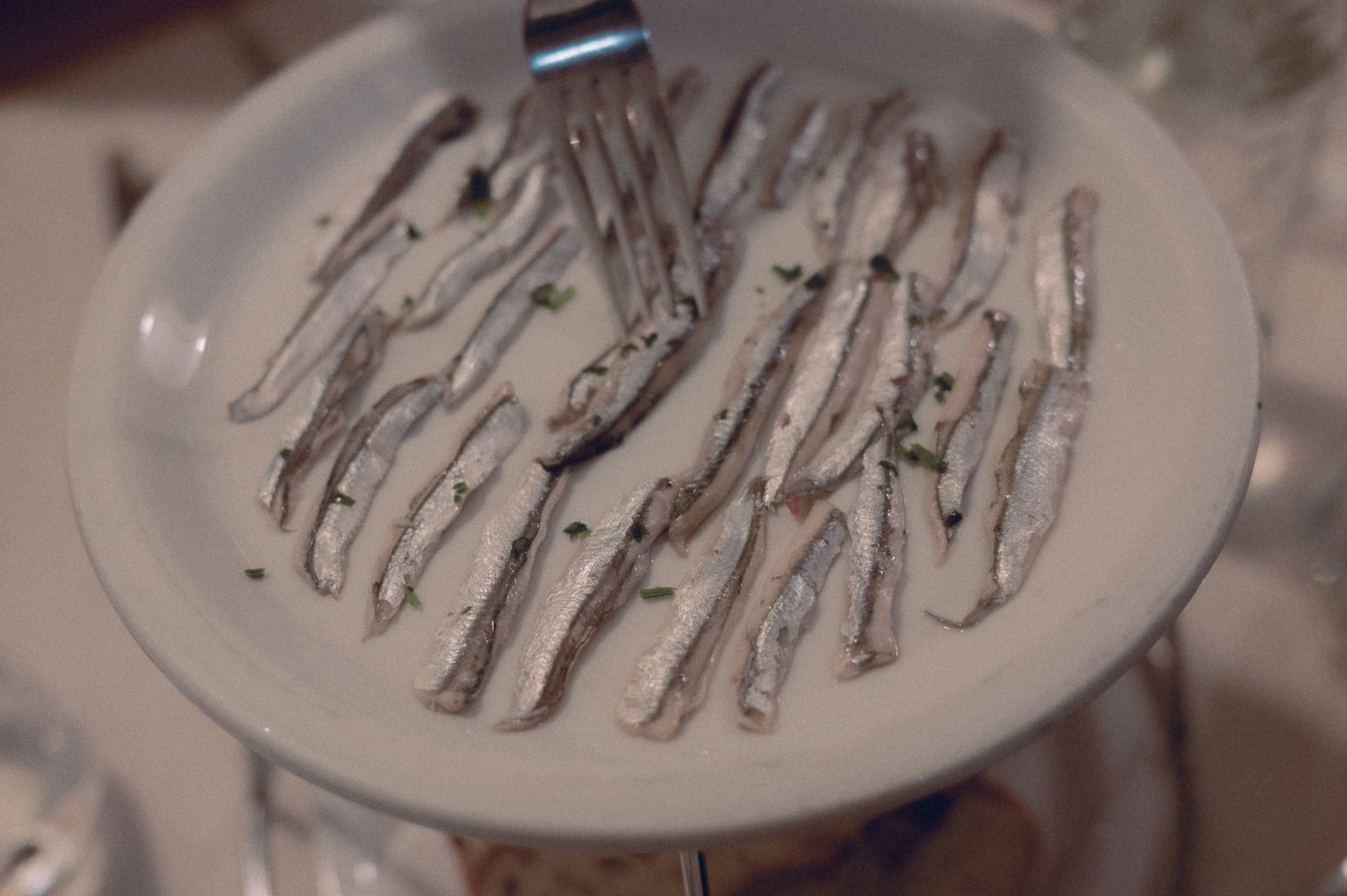
Sardines are small fish that are packed with flavor and often praised for their nutritional benefits. They are a popular choice among seafood lovers, and many people wonder about the types of cholesterol they contain and how it fits into a healthy diet. Understanding the kind of cholesterol found in sardines can help you make informed choices regarding your dietary needs.
In this article, we will explore the cholesterol profile of sardines, what it means for your health, and how to incorporate this nutritious fish into your meals. We will also discuss its ingredients, nutritional value, and cooking methods to help you maximize the benefits of sardines.
What Kind of Cholesterol Does Sardines Have?
Sardines contain both LDL (low-density lipoprotein) and HDL (high-density lipoprotein) cholesterol. However, consuming sardines can contribute more positively to your overall cholesterol levels due to their high content of omega-3 fatty acids, which help raise HDL cholesterol while potentially lowering LDL cholesterol levels. This makes sardines a heart-healthy choice when consumed as part of a balanced diet.
Nutritional Profile of Sardines
When considering the cholesterol content and overall health benefits of sardines, it is essential to look at their nutritional profile. Sardines are not only high in protein but also provide essential vitamins and minerals that support overall health. Here’s a breakdown of the typical nutritional content found in a 3.5-ounce (100-gram) serving of sardines:
| Nutrient | Amount |
|---|---|
| Calories | 208 |
| Protein | 25 g |
| Total Fat | 11 g |
| Saturated Fat | 1.5 g |
| Cholesterol | 81 mg |
| Omega-3 Fatty Acids | 1.5 g |
| Calcium | 382 mg |
| Vitamin D | 570 IU |
| Selenium | 52 µg |
Understanding Cholesterol Types
To better understand what makes sardines a smart choice for your cholesterol intake, it is good to know the differences between LDL and HDL cholesterol:
- LDL Cholesterol: Often referred to as “bad” cholesterol, high levels of LDL cholesterol can lead to plaque buildup in your arteries, increasing the risk of heart disease and stroke.
- HDL Cholesterol: Known as “good” cholesterol, HDL serves as a protector against heart disease. It helps remove LDL from the bloodstream and transports it to the liver for removal.
Sardines, rich in omega-3 fatty acids, promote increased levels of HDL cholesterol while helping to lower levels of LDL cholesterol. This dual benefit contributes to cardiovascular health.
How Sardines Fit Into a Healthy Diet
Sardines are an affordable and convenient option for incorporating heart-healthy omega-3 fatty acids and protein into your diet. They are often available canned, smoked, or fresh, making them versatile for various culinary uses. Here are some practical ways to enjoy sardines:
- Salads: Toss canned sardines into mixed greens, adding vegetables like bell peppers, cucumbers, and tomatoes for a refreshing salad.
- Pasta Dishes: Incorporate sardines into pasta dishes with olive oil, garlic, and herbs for a flavorful meal.
- Sandwiches and Wraps: Use sardines as a filling in sandwiches or wraps, pairing them with lettuce, tomatoes, and spreads like mayonnaise or hummus.
- Rice Bowls: Top a bowl of brown rice or quinoa with sardines, avocado, and vegetables for a hearty meal.
- Pizza: Add sardines to your favorite pizza along with other toppings for a unique flavor experience.
Cooking Methods for Sardines
Whether you prefer fresh or canned sardines, there are various cooking methods that can help you prepare them. Here are some popular techniques:
1. Grilling
Grilling sardines over high heat enhances their natural flavors and creates a crispy skin. To grill sardines:
- Preheat the grill to medium-high heat.
- Clean the sardines and brush with olive oil, seasoning with salt and pepper.
- Place the sardines directly on the grill for about 3-4 minutes per side until cooked through and charred.
2. Pan-Frying
Pan-frying sardines in olive oil creates a golden, crispy exterior. Follow these steps:
- Heat a skillet over medium heat and add olive oil.
- Season sardines with salt and pepper before placing them in the pan.
- Cook for 3-4 minutes per side, flipping just once to avoid breaking them apart.
3. Baking
Baking sardines is a healthy and easy way to prepare them while allowing the flavors to meld. For baked sardines:
- Preheat the oven to 375°F (190°C).
- Place the sardines in a baking dish and drizzle with olive oil and fresh lemon juice.
- Bake for approximately 15-20 minutes, or until cooked through.
4. Canning
Canned sardines are convenient and great for meal prep or busy days. They are typically packed in oil, water, or tomato sauce, making them versatile for many dishes.
Practical Substitutions
If you cannot find sardines or want to try a different fish, there are suitable substitutions available:
- Herring: Similar in taste and nutritional profile, herring can be an excellent alternative. Make sure to check for the same methods of cooking.
- Anchovies: With a stronger flavor, anchovies can add similar benefits to recipes but should be used in smaller amounts due to their intense taste.
- Mackerel: Rich in omega-3 fatty acids, mackerel works well grilled or smoked as an adequate replacement for sardines.
Common Mistakes and Troubleshooting
Here are some pitfalls to avoid when cooking with sardines:
- Overcooking: Sardines can become dry when overcooked. Cook them just until they are opaque and flaky.
- Ignoring Bones: While sardine bones are edible and provide additional calcium, you can remove them if you prefer.
- Too Much Seasoning: Sardines have a strong flavor, so use seasonings sparingly to avoid overpowering the dish.
Storage and Reheating Guidelines
Storage practices are essential to maintain the quality of sardines:
- \Fresh Sardines: Keep fresh sardines in the refrigerator, ideally cooking them within 1-2 days for the best taste.
- Canned Sardines: Unopened cans can be stored in a cool, dry place for up to 2-5 years. After opening, refrigerate and consume within 3 days.
When reheating sardines, do so gently in a skillet over low heat until warmed. This will help maintain their texture and flavor.
Incorporating Sardines into Your Meal Planning
When considering how to incorporate sardines into your meal planning, think of combining them with other ingredients that enhance their nutritional value:
- Vegetables: Pair sardines with leafy greens and colorful vegetables to create balanced meals.
- Whole Grains: Include whole grains such as brown rice or quinoa for added fiber and nutrients.
- Legumes: Incorporate beans or lentils for more protein and fiber in your meals.
Planning meals that include sardines can help maintain a heart-healthy diet while ensuring you receive a good source of protein and omega-3 fatty acids.
Understanding the kind of cholesterol in sardines and how to incorporate them into your diet can offer numerous health advantages. With their rich omega-3 content and versatile culinary applications, sardines can be a delicious addition to your meals.
To explore more cooking tips and recipes, consider checking out this chia pudding recipe or learn about herring, another excellent source of omega-3 fatty acids.