
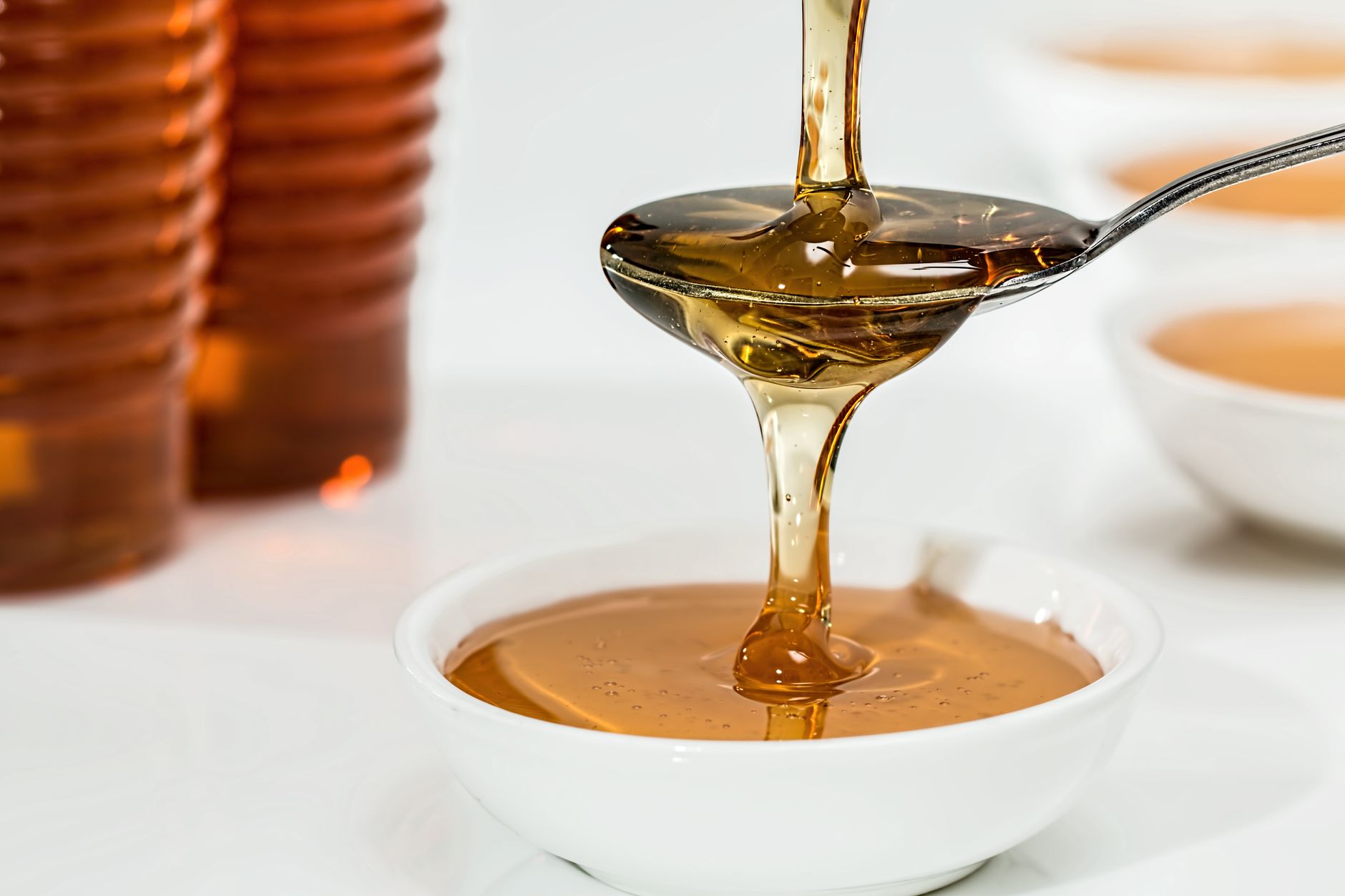
Agave has gained popularity as a natural sweetener, often hailed as a healthier alternative to sugar and high-fructose corn syrup. But is agave actually healthy? Let’s dive deeper into its nutritional profile, how it interacts with our bodies, and what to consider when using it in your diet. This examination will help you understand whether agave should have a place in your pantry.
From its origins to its uses in various culinary applications, agave is versatile, but understanding its impact on health is crucial for making informed dietary choices. We’ll explore its benefits, potential downsides, and how to incorporate it responsibly into your meals.
Is Agave Healthy?
Agave can be both beneficial and detrimental to health, depending on its use and the quantities consumed. While it contains some minerals and is lower on the glycemic index compared to sugar, its high fructose content raises concerns about its long-term health impacts.
What is Agave?
Agave is a succulent plant native to the arid regions of Mexico and the southwestern United States. Its sap is extracted and processed to create various products, including agave nectar, syrup, and sweetener alternatives. The flavor is often described as mild and syrupy, making it a popular choice for beverages, desserts, and even savory dishes.
Nutritional Profile of Agave
Understanding agave’s nutritional profile can help you weigh its pros and cons as a sweetener. Here’s a breakdown of what to expect:
- Calories: Agave syrup typically contains about 60 calories per tablespoon.
- Carbohydrates: It has about 16 grams of carbohydrates, primarily in the form of sugars.
- Fructose Content: Agave is comprised of approximately 70-90% fructose, which is a significant factor in its potential health impact.
- Vitamins and Minerals: While it does contain small amounts of vitamins and minerals such as calcium, potassium, and magnesium, these are not present in significant enough quantities to consider agave a source of nutrients.
Health Benefits of Agave
Despite the concerns about its fructose content, agave also has some potential health benefits:
1. Lower Glycemic Index
Agave has a lower glycemic index (GI) than regular sugar, which means it has less of an immediate impact on blood sugar levels. This can be beneficial for individuals looking to manage their blood glucose or insulin levels.
2. Vegan Sweetener
As a plant-based sweetener, agave is a suitable option for vegans and those looking to avoid animal products. It provides an alternative for those who prefer to steer clear of honey.
3. Flavor Enhancement
Agave syrup has a mild flavor profile, allowing it to blend well in beverages, baking, and cooking without overpowering other flavors.
Potential Health Risks of Agave
While agave has some advantages, there are also notable risks associated with its consumption, particularly in large quantities:
1. High Fructose Levels
The high fructose content can be problematic. Excessive intake of fructose has been linked to various health issues, including obesity, insulin resistance, and fatty liver disease. Unlike glucose, fructose is metabolized in the liver and can lead to health complications when consumed in large amounts.
2. Caloric Density
Agave syrup is calorically dense. Consuming it in large quantities can lead to increased caloric intake, potentially resulting in weight gain and related health problems.
3. Tooth Decay
Like other sugars, agave can contribute to tooth decay if proper oral hygiene is not maintained. Consuming sweeteners frequently without brushing can lead to cavities.
How to Use Agave in Your Diet
If you decide to incorporate agave into your diet, it’s essential to do so wisely. Here are some suggestions on how to use it effectively:
1. Be Mindful of Portions
Like any sweetener, moderation is key. Aim to use agave sparingly to avoid excessive fructose consumption and added calories.
2. Substituting Agave
Agave can be used in place of sugar in many recipes. When doing so, a general rule of thumb is to use about 2/3 to 3/4 the amount of agave syrup compared to granulated sugar, since agave is sweeter.
3. Combine with Other Sweeteners
Consider combining agave with other natural sweeteners, such as maple syrup or honey, to diversify the flavor profile and reduce the overall fructose load.
Common Uses for Agave
Agave’s versatility makes it suitable for various culinary applications. Here are some common ways to use it:
- In Beverages: Agave syrup can sweeten drinks like tea, coffee, or cocktails without the strong flavor of cane sugar.
- Baking: Use agave to sweeten baked goods such as muffins and cakes. Adjust the liquid ingredients down slightly to accommodate its added moisture.
- Cooking: Incorporate agave into marinades, dressings, or sauces where a hint of sweetness is desired.
Agave Alternatives
If you’re considering alternatives to agave, there are several options to choose from:
1. Honey
A natural sweetener that offers unique flavors and potential health benefits. However, honey should not be given to infants under one year old due to the risk of botulism.
2. Maple Syrup
Less processed than conventional sugar and contains some minerals. Use it in the same way as agave but be mindful of its flavor profile.
3. Stevia
A zero-calorie sweetener derived from the stevia plant. Stevia is much sweeter than sugar, so adjust the quantity accordingly when substituting it for agave.
4. Coconut Sugar
Has a lower glycemic index and retains some nutrients found in coconuts. It can be used in similar portions as granulated sugar.
Incorporating Agave: Tips and Tricks
Here are some practical tips for using agave in your cooking and baking:
- Start with smaller quantities and adjust according to your taste preferences.
- Mix agave with acidic ingredients like lemon or vinegar to create balanced flavors.
- Store agave syrup in a cool, dark place for optimal freshness.
- Check labels when purchasing to ensure the purity of the agave syrup, as some may contain additives.
Food Safety Considerations
When handling any sweetener, including agave, food safety is paramount. Here are some key points:
- Always use clean utensils when scooping or pouring from agave bottles to prevent contamination.
- Keep the syrup tightly sealed and store it according to package instructions.
Conclusion
Agave can be a healthy addition to your diet if consumed in moderation. Its lower glycemic index and vegan status are appealing traits, but its high fructose levels raise valid concerns. By using agave responsibly and considering it alongside other sweeteners, you can make informed choices that suit your dietary needs.
For further exploration of sweeteners, check out our recipes for Chia Pudding and Maple Syrup for delicious ways to incorporate natural sweetness into your meals.