
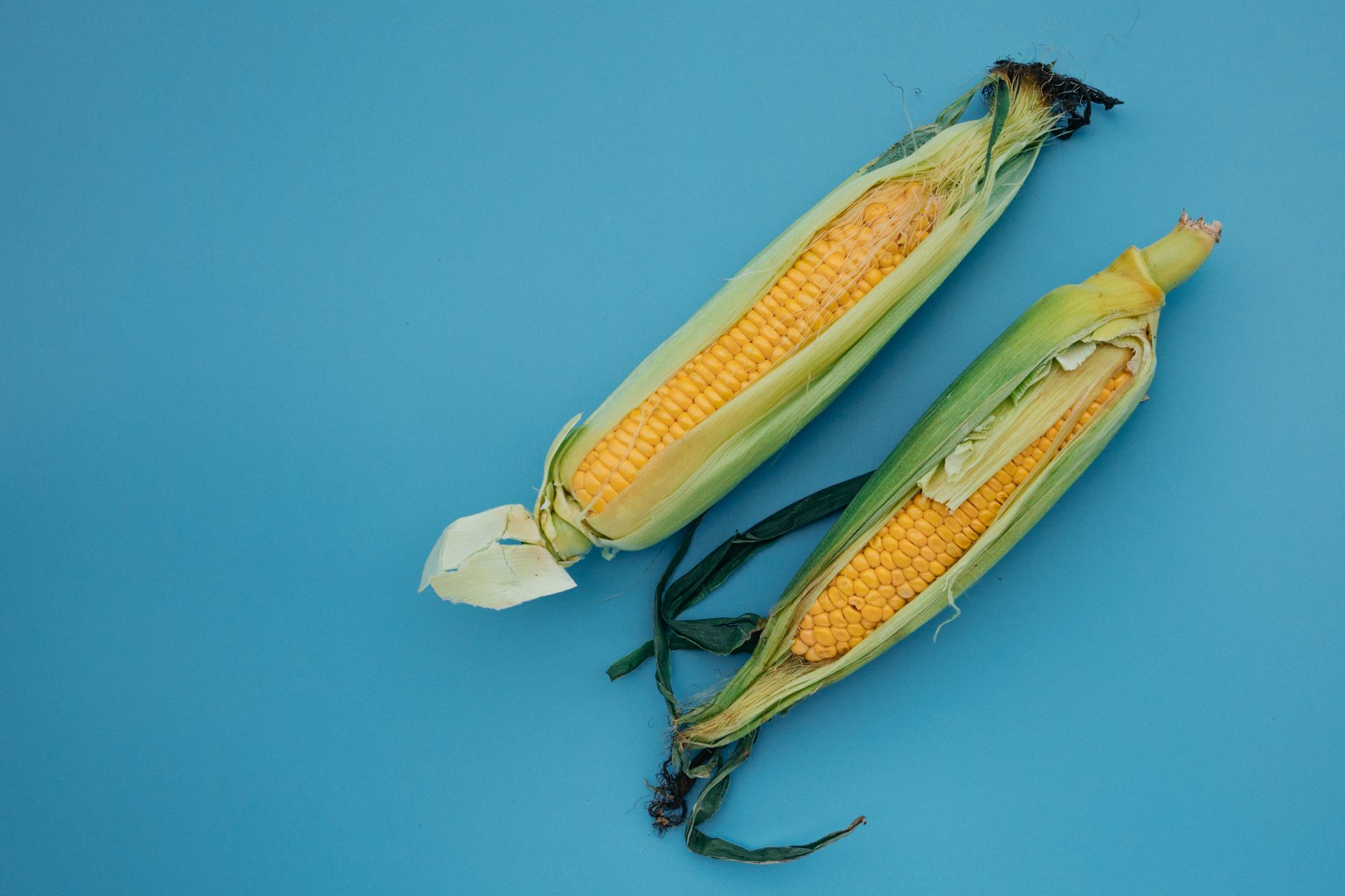
Corn is a staple food enjoyed worldwide, but how does it fit into the diet of kidney patients? Understanding the nutritional profile of corn and how it fits into renal diets is crucial for maintaining health. Through this article, we will explore the benefits and limitations of corn, portion sizes, and suggest ways to incorporate it into meals safely.
Kidney disease can affect how the body handles certain nutrients, like potassium, phosphorus, and sodium. It’s essential for kidney patients to monitor their intake of these nutrients carefully. Let’s delve into the aspects of corn that make it a unique addition to the diet of kidney patients.
Is Corn Good for Kidney Patients?
Yes, corn can be part of a kidney-friendly diet, but moderation is key. It is a low-protein source that is rich in carbohydrates and fiber. However, patients must monitor their potassium and phosphorus levels, found in varying amounts in different corn products. Always consult healthcare providers or dietitians for personalized dietary recommendations.
Nutritional Profile of Corn
Corn, also known as maize, is packed with nutrients and has various forms, including sweet corn, cornmeal, and popcorn. Here’s a quick overview of the nutritional benefits of corn:
- Calories: About 90-100 calories per cup of cooked sweet corn.
- Carbohydrates: Corn is high in carbohydrates, offering energy.
- Fiber: It contains soluble and insoluble fiber, promoting digestive health.
- Vitamins and minerals: Rich in B vitamins, particularly B6, and folate, as well as magnesium and some potassium.
Corn Products and Their Impact on Kidney Health
Sweet Corn
Sweet corn, whether on the cob or canned, is the most commonly consumed form. In moderation, it can fit into a kidney-friendly diet. However, it is wise to limit intake due to its phosphorus and potassium content, especially for patients at higher risk.
Cornmeal
Cornmeal is ground corn used in various dishes, such as polenta and cornbread. When using cornmeal, it’s important to keep portion sizes in mind. A typical serving (1/4 cup) contains around 208 mg of phosphorus and 380 mg of potassium. For kidney patients, checking the individual dietary restrictions is essential.
Popcorn
Air-popped popcorn can be a healthy snack in moderation. It is low in calories and contains fiber, making it a good alternative to chips. However, be cautious about toppings, as salt and butter can increase sodium, posing risks to kidney health.
Portion Control for Kidney Patients
Understanding appropriate portion sizes is crucial in managing a kidney-friendly diet. Here are some recommendations for corn products:
- Sweet corn: Limit to ½ cup per serving.
- Cornmeal: Typically, 1/4 cup cooked can be included in meals.
- Popcorn: A handful or 3 cups of air-popped popcorn is advisable.
Cooking Techniques with Corn
There are multiple ways to cook corn that can enhance its flavor while maintaining its nutritional benefits for kidney patients. Here are a few methods worth exploring:
Boiling
- Start with fresh sweet corn. Remove the husk and silk.
- Bring a pot of salted water to a rolling boil.
- Add the corn, cover, and cook for about 5-7 minutes.
- Remove and let cool before serving or adding to other dishes.
Grilling
- Preheat the grill to medium heat.
- Wrap corn in foil, optionally adding herbs for flavor.
- Grill for about 15-20 minutes, turning occasionally until tender.
- Unwrap and enjoy plain or with a sprinkle of pepper.
Steaming
- Fill a pot with an inch of water and place a steaming basket inside.
- Add husked corn to the basket.
- Cover and steam for 8-10 minutes until tender.
Creative Meal Ideas for Incorporating Corn
Incorporating corn into meals can be delicious and creative. Here are some kidney-friendly recipe ideas:
Corn Salad
- 1 cup of cooked sweet corn
- 1 diced cucumber
- 1 small diced bell pepper
- A splash of olive oil and vinegar
This colorful salad provides freshness and crunch without excessive potassium. Serve chilled or at room temperature.
Corn and Zucchini Fritters
- Mix 1 cup of cornmeal, 1 cup of grated zucchini, and one egg.
- Add minced garlic for flavor and pan-fry in olive oil until golden brown.
- Serve with a low-sodium dipping sauce or yogurt.
These fritters are both flexible and delicious and can be served as a side or main dish.
Vegetable Stir-Fry with Corn
- In a pan, add a touch of olive oil and sauté garlic, then add diced bell peppers, carrots, and the corn.
- Cook for about 5-7 minutes until all vegetables are tender.
- Season with herbs or low-sodium soy sauce.
This dish allows the sweetness of the corn to blend beautifully with other veggies, offering both taste and nutrition.
Common Mistakes to Avoid
When adding corn to a kidney-friendly diet, be mindful of common mistakes:
- Ignoring portion sizes can lead to unintentional excessive potassium and phosphorus intake.
- Choosing prepared corn products with added sodium or preservatives isn’t advisable.
- Overcooking corn can diminish its flavor and texture, making dishes less enjoyable.
Storage of Corn
To maximize the shelf life and maintain the quality of corn, here are some storage tips:
- Fresh corn should be refrigerated and consumed within a few days for the best flavor.
- Canned corn should be stored in a cool, dry place and consumed within the expiration date on the can.
- Cooked corn can be stored in an airtight container in the fridge for 3-5 days.
- Freeze fresh or cooked corn in freezer bags to extend usability to several months.
Conclusion
Corn can indeed be a beneficial part of a kidney patient’s diet, provided serving sizes are managed appropriately. Its versatility in various dishes and nutrient profile makes it a valuable ingredient to enjoy in moderation.
For those interested in exploring more corn recipes, you can check out our Corn Pone Recipe or try out the Corn Souffle Recipe for delicious dishes suitable for your culinary needs.