
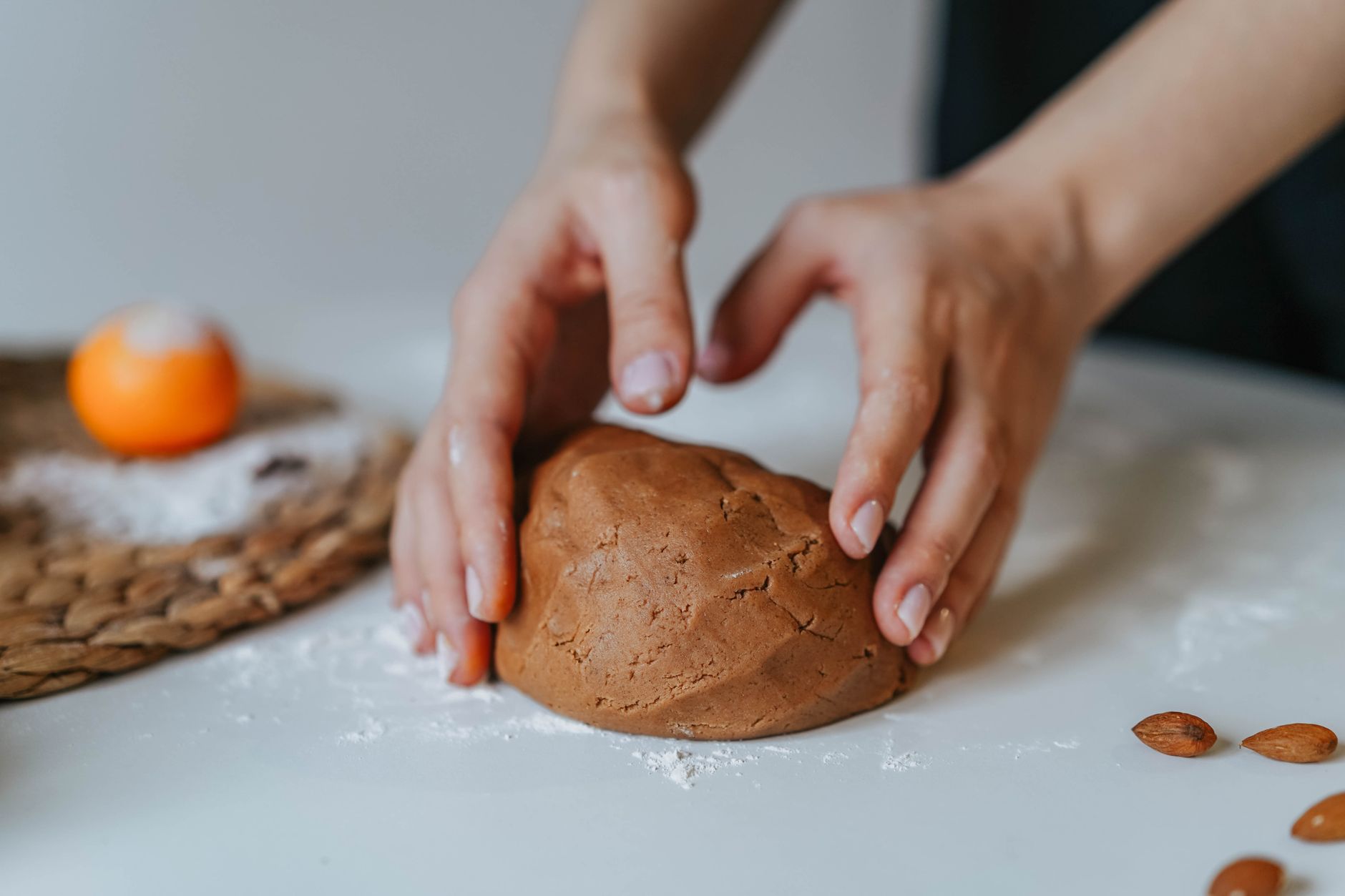
Almond flour is a popular gluten-free alternative to traditional wheat flour, prized for its nutty flavor and versatility in a variety of recipes. As with any food product, it’s important to understand how to store almond flour properly and recognize its potential spoilage signs. This guide will walk you through everything you need to know about the shelf life of almond flour and how to ensure its freshness.
Understanding whether almond flour can go bad will help you make informed choices when stocking your pantry. This article will discuss storage tips, signs of spoilage, and how long almond flour typically lasts before it should be discarded.
Can Almond Flour Go Bad?
Yes, almond flour can go bad. Over time, exposure to air, moisture, and heat can lead to rancidity and spoilage of the flour. Almond flour is made from ground almonds, which are high in natural fats that can go rancid if not stored properly. Proper storage can extend its shelf life and maintain its quality.
Understanding Almond Flour
Almond flour is created by grinding blanched almonds into a fine powder. It is popular for its nutritional benefits, including being low in carbohydrates, high in healthy fats, and a good source of protein and vitamin E. Because almond flour is made from nuts, its storage requirements are different from traditional flours.
Storage Tips for Almond Flour
To maximize its freshness and prevent spoilage, you must store almond flour properly. Here are the best practices for storing almond flour:
- Keep it airtight: Transfer almond flour to an airtight container if it is not already packaged that way. This prevents moisture and air from getting in, which can compromise the flour’s quality.
- Cool and dry environment: Store almond flour in a cool, dry place, away from heat sources like ovens and stoves. A pantry or cupboard is usually ideal.
- Refrigerate or freeze: For even better long-term storage, consider refrigerating or freezing almond flour. In the refrigerator, it can last up to six months, while freezing extends its shelf life to one year or more.
How Long Does Almond Flour Last?
The shelf life of almond flour can vary based on how it is stored. Here is a general guide:
- Unopened almond flour: If stored in a cool, dry place and kept sealed, unopened almond flour can last for 6 months to 1 year past the expiration date on the package.
- Opened almond flour: Once opened, almond flour should be consumed within 3 to 5 months if stored properly in the pantry. If refrigerated, it can last up to 6 months.
- Frozen almond flour: If almond flour is frozen, it can last for up to a year or more without significant quality loss.
Signs That Almond Flour Has Gone Bad
Knowing how to identify spoiled almond flour is essential to avoid using a product that could affect your baking and cooking results. Here are the common signs of spoilage:
1. Rancid Smell
Fresh almond flour has a mildly sweet, nutty aroma. If it develops a strong, unpleasant odor, it has likely gone rancid. A rancid smell indicates that the natural oils in the almonds have degraded.
2. Change in Color
Fresh almond flour should have a light beige or off-white color. If you notice any darkening or browning, it may be a sign that it has started to oxidize or spoil.
3. Off Taste
While this is often harder to identify without tasting, if almond flour has an off or bitter flavor, it likely has gone bad. It’s always best to trust your taste buds.
4. Moisture or Clumping
If you open the container and see moisture on the flour or if it has clumped together, it may indicate that it has absorbed moisture from the air, compromising its quality. Flours that have absorbed moisture can promote the growth of mold.
5. Expiration Date
Always check the expiration date on the package. If it has passed, especially if the flour has been opened, it is safest to discard it.
What To Do With Expired Almond Flour?
If you discover that your almond flour has gone bad, it’s time to part ways with it. Unlike some ingredients, you can’t revive expired almond flour. Instead of trying to salvage it, here are some disposal tips:
- Discard It: The safest and simplest option is to throw away spoiled almond flour to avoid any adverse effects on your health.
- Compost: If you are environmentally conscious, you can consider composting almond flour, but ensure it is free from spoilage before doing so.
How to Extend the Shelf Life of Almond Flour
Here are some additional tips to help extend the shelf life of your almond flour:
- Buy in small quantities: If you do not bake often, opt for smaller packages of almond flour to reduce waste.
- Vacuum sealing: If you purchased almond flour in bulk, consider vacuum sealing it for long-term storage.
- Check your refrigerator’s temperature: Ensure your refrigerator or freezer temperature is set between 32°F and 40°F (0°C – 4°C) for optimal storage conditions.
Cooking and Baking with Almond Flour
If you decide to use almond flour in your recipes, it’s essential to know how it behaves in baking. Here are some practical insights:
1. Texture
Almond flour provides a moist texture to baked goods due to its fat content. This makes it excellent for cakes and muffins but can lead to denser products compared to using all-purpose flour.
2. Flavor
The nutty taste of almond flour can enhance many recipes but may not suit every dish. It works particularly well in sweet treats, such as cookies and pancakes.
3. Substituting Almond Flour for All-Purpose Flour
If you’re looking to substitute almond flour for all-purpose flour, the general ratio is typically 1:1; however, you may need to make slight adjustments. Here are some tips:
- Increase the liquid: Because almond flour is more absorbent, you may need to add additional liquid to your recipe.
- Binders: Incorporating eggs or other binders can improve the consistency of your baked goods.
- Flavor balance: If replacing all-purpose flour with almond flour in savory dishes, consider the nutty flavor it will bring to the overall dish.
Common Mistakes to Avoid When Using Almond Flour
Here are some frequent pitfalls when baking with almond flour and how to navigate them:
- Not weighing flour: A cup of almond flour can vary in weight. Use a kitchen scale for consistency in your recipes.
- Ignoring additional fat: Since almond flour contains fats, recipes often require less added fat than those using all-purpose flour. Be cautious and test different amounts.
- Underestimating consistency: Almond flour can produce a dense texture. If your recipe calls for rising agents like baking powder or soda, ensure they are sufficient to achieve the desired rise.
Conclusion
Understanding the properties, storage needs, and potential spoilage signs of almond flour can help you make the most out of this nutritious ingredient. By keeping almond flour in a cool, dry environment and checking for freshness, you can enjoy its benefits in various recipes without risk. With proper care, almond flour can elevate your baking game while fitting seamlessly into a gluten-free or low-carb diet.
For more information on food storage and ingredient guides, explore our articles like whether chia seeds can go bad and try out our delicious almond flour bread recipe.