
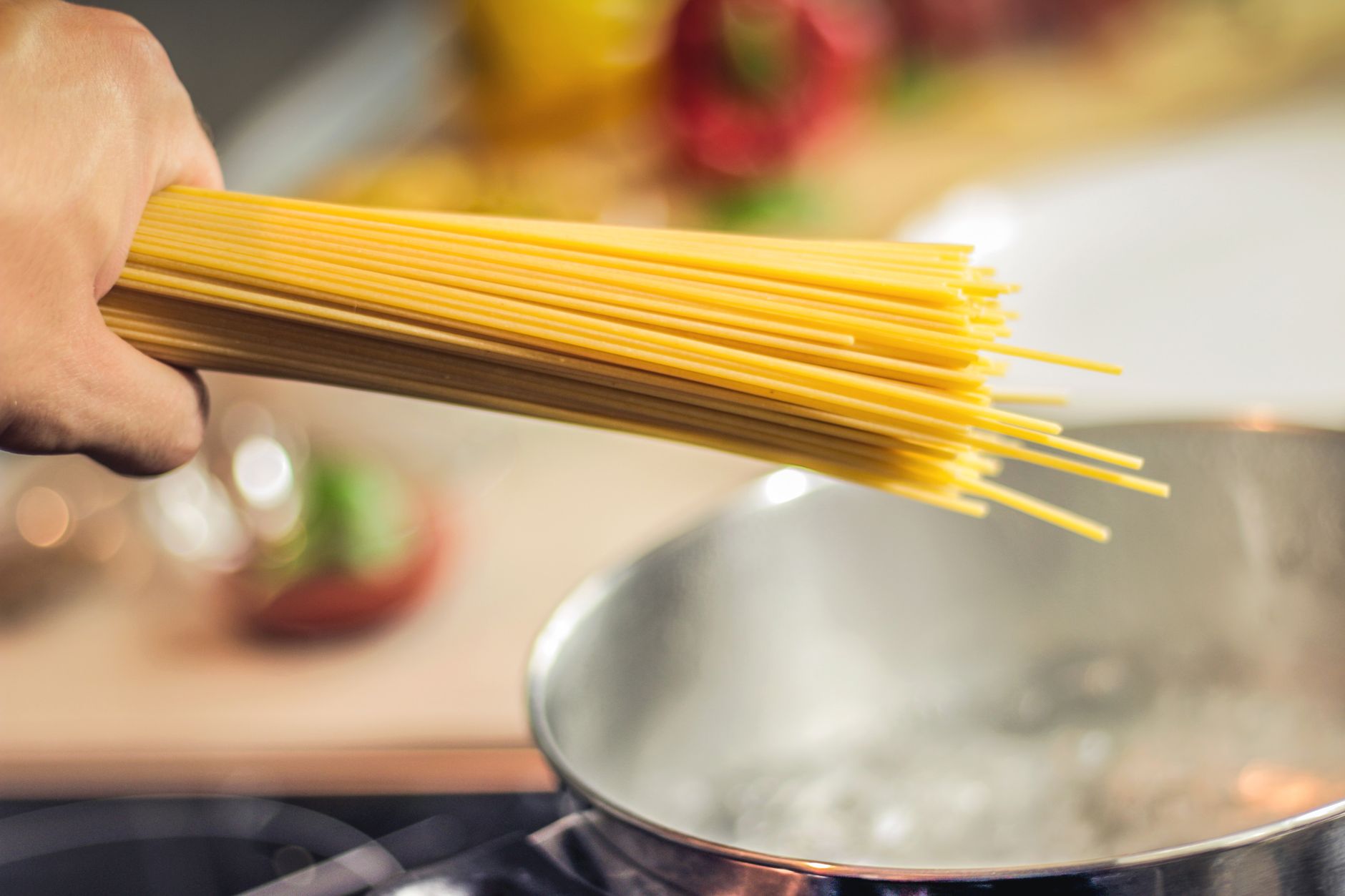
Spaghetti is a versatile and beloved staple in many households, known for its ability to serve as a base for countless sauces and toppings. Cooking spaghetti seems simple, but getting it just right can make all the difference. Understanding how long to boil spaghetti is key to achieving that perfect al dente texture loved by so many.
In this guide, we will cover the timing and temperature needed for boiling spaghetti, along with tips and techniques to ensure your pasta turns out perfectly every time. We’ll explore variations on cooking methods and how to customize your spaghetti experience depending on your preferences.
How Long Should Spaghetti Boil?
Spaghetti should typically boil for 8 to 12 minutes, depending on its thickness and your desired texture. For al dente pasta that maintains a slight firmness, aim for the lower end of this range, around 8 to 10 minutes. If you prefer softer pasta, you can extend the cooking time closer to 12 minutes.
Understanding Different Types of Spaghetti
Before diving into boiling times, it’s important to note that not all spaghetti is the same. There are various types that can affect cooking time.
Standard Spaghetti
Standard spaghetti is made from durum wheat semolina and has a thin, cylindrical shape. The most common cooking time for standard spaghetti is between 8 to 12 minutes.
Whole Wheat Spaghetti
Whole wheat spaghetti contains more fiber and has a denser texture. It often requires slightly longer cooking times, typically between 10 to 14 minutes.
Gluten-Free Spaghetti
Gluten-free spaghetti can be made from a variety of ingredients such as rice, corn, or quinoa. Cooking times can vary significantly, from 7 to 12 minutes. Always check the package instructions for the best guidance.
Essential Equipment for Boiling Spaghetti
To boil spaghetti properly, you’ll need a few essential pieces of kitchen equipment:
- Large Pot: A large pot ensures enough space for the spaghetti to move freely as it cooks.
- Colander: Use this for draining the pasta after boiling.
- Measuring Spoon: For measuring salt.
- Tongs or a Pasta Fork: Useful for stirring and testing the pasta while it cooks.
- Timer: Helps keep track of your cooking time.
Step-by-Step Guide to Boiling Spaghetti
Boiling spaghetti is a straightforward process, but following these steps closely will ensure success:
- Bring Water to a Boil: Fill a large pot with water, using about 4-6 quarts of water for every pound of spaghetti. Add a generous amount of salt (about 1-2 tablespoons). Bring the water to a rolling boil over high heat.
- Add Spaghetti: Once the water is boiling, add the spaghetti. You may need to gently push it down with tongs to ensure it fully submerges.
- Stir Occasionally: Stir the spaghetti every few minutes to prevent it from sticking together or to the bottom of the pot.
- Check for Doneness: Start checking the spaghetti around the 8-minute mark. Taste it to see if it’s cooked to your liking.
- Drain the Spaghetti: Once cooked, carefully pour the spaghetti into a colander to drain the water. Avoid rinsing the pasta unless you’re making a cold pasta dish.
Tips for Perfect Pasta
There are several tips you can follow to ensure your spaghetti turns out perfectly every time:
- Use Plenty of Water: Cooking spaghetti in a large pot of water helps maintain the temperature when the pasta is added.
- Add Salt Early: Salt not only adds flavor to the pasta but also helps to season it. A well-salted pot of water will enhance the overall taste of the dish.
- Taste as You Go: The best way to determine if your pasta is cooked to your preference is by tasting it.
- Reserve Pasta Water: Save a cup of pasta water before draining. The starchy water can be used to adjust the consistency of your sauce.
Common Mistakes to Avoid
Even experienced cooks can make mistakes when boiling spaghetti. Here are some common pitfalls to avoid:
- Not Using Enough Water: Insufficient water can lead to gummy, sticky pasta.
- Overcooking: Keeping an eye on the clock is essential to avoid mushy pasta. Strive for al dente.
- Adding Oil to the Water: While some people add oil to the water, this can prevent sauces from adhering properly to the pasta.
- Ignoring Package Instructions: Different brands of spaghetti may provide specific cooking times; always check the package for guidance.
How to Serve Your Spaghetti
Serving spaghetti can be as simple or elaborate as you desire. Below are some popular ways to enhance your dish:
Classic Marinara Sauce
A traditional way to serve spaghetti is with marinara sauce, made from tomatoes, garlic, and herbs. Simmer the sauce while the spaghetti cooks for a simple yet delicious meal.
Pesto Sauce
Pesto, made from basil, garlic, pine nuts, olive oil, and Parmesan cheese, offers a fresh flavor that pairs wonderfully with spaghetti. Simply toss the cooked pasta with pesto for a quick dish.
Olive Oil and Garlic
Tossing spaghetti with quality olive oil, freshly minced garlic, and a sprinkle of red pepper flakes is a tasty, minimalistic option.
Additional Toppings and Mix-Ins
Common toppings include grated cheese, crushed red pepper, fresh herbs, olives, or sautéed vegetables. Experiment with different combinations to find your favorite.
Variations and Customizations
Spaghetti is versatile and lends itself to numerous variations:
- Vegetable Stir-In: Add sautéed or roasted vegetables like zucchini, bell peppers, or mushrooms for added flavor and nutrition.
- Protein Additions: Consider tossing in cooked chicken, shrimp, or meatballs to make the meal heartier.
- Spicy Options: Add chili flakes, diced jalapeños, or sriracha for a spicy twist.
Make-Ahead Guide
If you’re preparing spaghetti for a large meal or event, you can make several components ahead of time:
- Cooking the Pasta: Cook the spaghetti al dente, drain it, and toss it lightly with olive oil to prevent sticking. Store it in an airtight container in the refrigerator for up to three days.
- Preparing Sauces: Most sauces can be made ahead and stored in the refrigerator or freezer. Just reheat before serving.
- Batch-Cooking: Consider cooking a big batch of spaghetti, then portion it out for quick meals during the week. Pair with different sauces for variety.
Storing and Reheating Spaghetti
Proper storage will help maintain the flavor and texture of your spaghetti:
- Storing Cooked Spaghetti: Store leftovers in an airtight container, in the refrigerator, for up to 3-5 days.
- Reheating: To reheat, add a splash of water or sauce to the pasta and warm it up in the microwave or on the stovetop. Stir well to avoid uneven heating.
Final Thoughts
Boiling spaghetti requires attention to timing and technique but becomes second nature with practice. Understanding how long to boil spaghetti, along with various cooking methods, will enhance your culinary arsenal.
With the right tools and knowledge, you can easily create delicious spaghetti dishes tailored to your preferences. So, gather your ingredients, bring water to a boil, and enjoy the process of crafting this classic meal.
If you’re looking for exciting variations to incorporate into your cooking, check out our spaghetti salad recipe or learn how long to cook tilapia for a well-rounded meal. Happy cooking!