
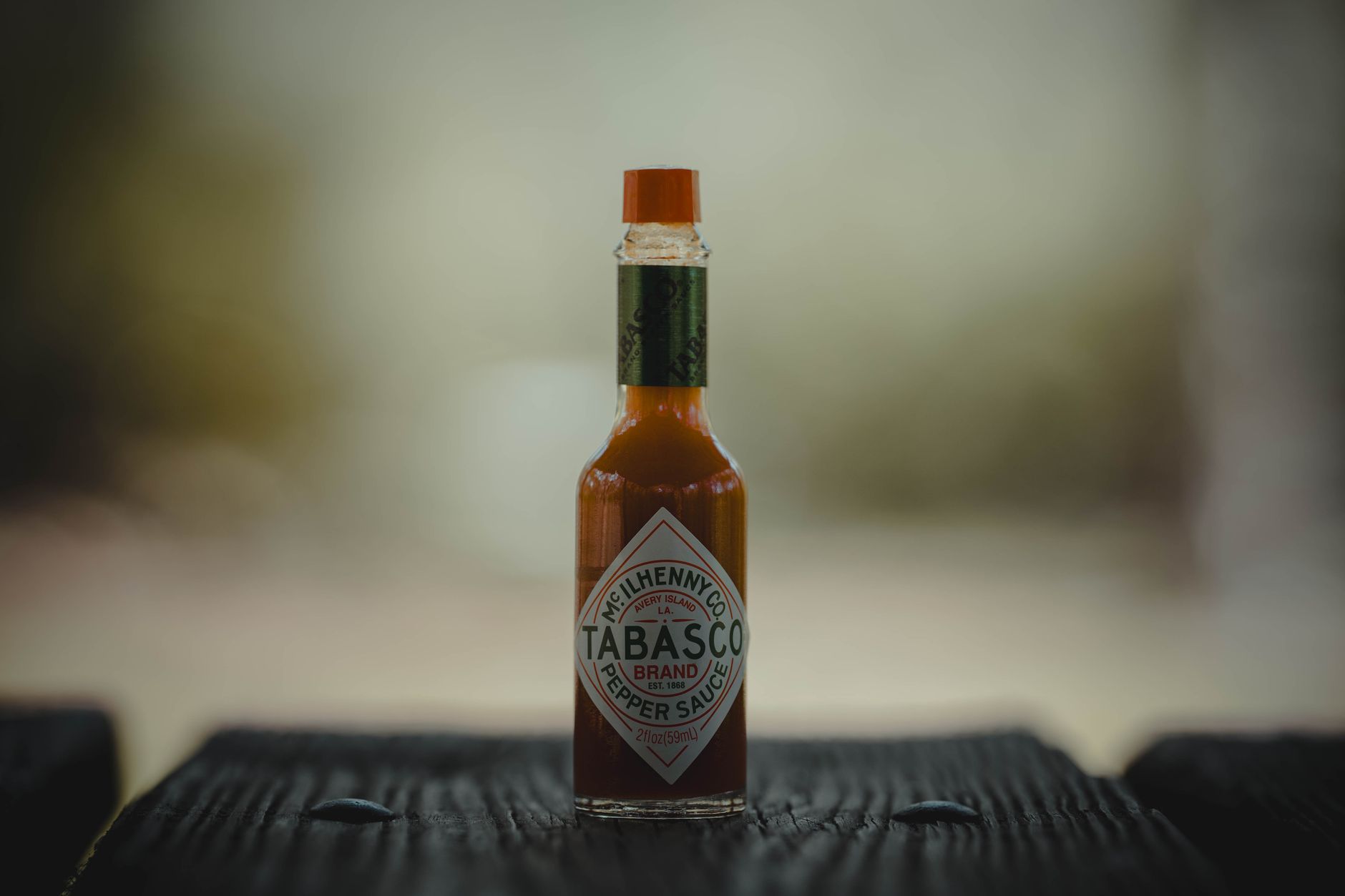
Peri-peri, also known as pili-pili, is a fiery chili pepper sauce that originates from Africa, particularly associated with Mozambique and Angola. The term “peri-peri” translates to “pepper-pepper” in the Swahili language and is often used to describe both the sauce and the chili peppers that are its main ingredient.
This vibrant and spicy condiment is making waves beyond its native borders, celebrated for its versatility in various dishes. With its distinctive flavor profile, peri-peri enhances grilled meats, marinades, and even vegetables, bringing a unique heat and zest that can elevate your cooking game.
What Is Peri-Peri?
Peri-peri is a spicy sauce made from ground chili peppers, particularly the African bird’s eye chili. The sauce typically includes various ingredients such as garlic, lemon juice, vinegar, and spices, creating a deliciously tangy and fiery condiment. Beyond just a sauce, peri-peri can also refer to the entire cultural cuisine surrounding it.
Ingredients in Peri-Peri Sauce
To truly understand peri-peri, it’s essential to recognize its key ingredients. These components work together to create a complex flavor profile that is both spicy and tangy.
- African Bird’s Eye Chili: This small, fiery chili pepper is the star of peri-peri sauce. Its heat level typically ranges from 50,000 to 175,000 Scoville Heat Units (SHU).
- Garlic: Fresh garlic is often included, adding depth and enhancing the spicy flavor.
- Lemon Juice: The acidity of lemon juice brightens the sauce and provides a wonderful contrast to the heat.
- Vinegar: Usually white or apple cider vinegar is added, contributing to the tanginess and preserving the sauce.
- Spices: Ingredients such as paprika, oregano, and bay leaves may also be used for additional flavor complexity.
- Oil: Olive oil or vegetable oil is often included to create a smooth consistency.
- Salt: Sea salt or kosher salt is essential for enhancing and balancing flavors.
Flavor Profile of Peri-Peri
The flavor of peri-peri is a culinary rollercoaster, balancing heat, tanginess, and earthiness. The dominant taste comes from the bird’s eye chili, which provides significant heat while allowing the other ingredients to shine through. The garlic and spices create an aromatic base, while the vinegar and lemon juice add a refreshing zing.
Heat and Spice Levels
Peri-peri’s heat can vary significantly based on the amount of chili used and how it is prepared. Many commercially available peri-peri sauces come in varying heat levels, ranging from mild to extremely spicy. When cooking with peri-peri, the heat can be adjusted depending on personal preferences or culinary goals.
How to Serve Peri-Peri Sauce
Peri-peri sauce is incredibly versatile and can be used in various ways to elevate different dishes. Here are some popular serving suggestions:
Grilled Dishes
Grilling brings out the best in peri-peri. Use it as a marinade for chicken, shrimp, or vegetables before grilling. The heat of the grill complements the sauce’s flavors, and the char adds a depth that heightens the overall dish.
- Chicken: One of the most famous dishes featuring peri-peri is peri-peri chicken, often marinated and then grilled to perfection.
- Shrimp: Marinating shrimp in peri-peri sauce before grilling gives them a unique and spicy flavor.
- Vegetables: Try tossing vegetables like bell peppers, zucchini, or corn in peri-peri sauce before grilling for a smoky, spicy side dish.
As a Dipping Sauce
Peri-peri sauce also makes for an excellent dipping sauce. Serve it alongside grilled meats, roasted veggies, or even French fries for a delightful twist.
In Marinades
Use peri-peri as a base for marinades for meats, seafood, and tofu. Its combination of spices, acidity, and heat helps tenderize proteins while infusing them with robust flavors.
How to Make Homemade Peri-Peri Sauce
Creating your own peri-peri sauce at home allows you to tailor the heat and flavors to your liking. Here’s a simple recipe:
Ingredients
- 10 African bird’s eye chilies (adjust for heat preference)
- 4 cloves of garlic
- Juice of 1 lemon
- 1/4 cup white vinegar
- 1/4 cup olive oil
- 1 tsp paprika
- 1 tsp salt
- 1 tsp dried oregano (optional)
Instructions
- Start by rinsing the bird’s eye chilies. Remove the stems and, if you prefer a milder flavor, remove the seeds. Place them in a blender or food processor.
- Add the garlic, lemon juice, white vinegar, olive oil, paprika, salt, and oregano to the blender.
- Blend until smooth. Taste and adjust the seasoning as needed; add more salt or lemon juice if desired.
- Transfer the sauce to a clean glass jar and let it sit for at least 30 minutes before using. This allows the flavors to meld together.
- Store in the refrigerator for up to two weeks.
Common Mistakes When Making Peri-Peri
Even though making peri-peri sauce is straightforward, there are a few common missteps to avoid:
- Not adjusting heat: If you’re new to bird’s eye chilies, start with fewer chilies, as the sauce can become overwhelmingly spicy.
- Not balancing flavors: Always taste your sauce as you go. If it’s too spicy, adding a bit more lemon juice or vinegar can help balance the heat.
- Not allowing the sauce to sit: Peri-peri sauce benefits from sitting for a while, so the flavors can integrate fully. Avoid using it immediately after making it.
Storage and Shelf Life
Homemade peri-peri sauce can be stored in an airtight container in the refrigerator for up to two weeks. Make sure to keep it sealed to prevent moisture from diluting the flavor. For longer storage, consider freezing the sauce in ice cube trays, allowing for easy portioning and use as needed.
Peri-Peri Variants
Regions across Africa, and even in Portugal—which has adopted the peri-peri concept—have their unique spins on this sauce. Exploring these variants can introduce you to different flavor profiles:
- Mozambican Peri-Peri: This traditional version often incorporates additional spices like cumin or coriander.
- South African Peri-Peri: This variant may include additional ingredients such as onion or herbs like thyme.
- Portuguese Peri-Peri: Influenced by African cuisine, the Portuguese version often includes olive oil and lemon zest, enhancing its Mediterranean flair.
Substitutions and Alternatives
If you cannot find African bird’s eye chilies, there are a few alternatives for making peri-peri sauce:
- Serrano Peppers: This pepper is milder than bird’s eye but can still provide a good heat level. Use more of them for a similar flavor.
- Fresno Peppers: These are also a good substitute, offering a slightly sweet flavor in addition to heat.
- Hot Sauce: If in a pinch, you can use a commercially-prepared hot sauce that suits your heat preference.
Health Considerations
Peri-peri sauce can add flavor to your meals without significant calories, making it a flavorful addition to many diets. However, those sensitive to spicy foods should consume it in moderation. Also, watch for any additional preservatives or ingredients in store-bought versions that might not align with personal dietary preferences.
Conclusion
Peri-peri is an exciting and versatile addition to any kitchen, enhancing dishes with its unique blend of heat and tang. Whether you use it as a marinade, dipping sauce, or cooking ingredient, its flavor can transform simple meals into something unforgettable. Why not try making your peri-peri sauce and experiment with it in your favorite dishes?
Explore more food topics to expand your culinary knowledge and skills, such as delicious marinades or spicy cooking techniques.