
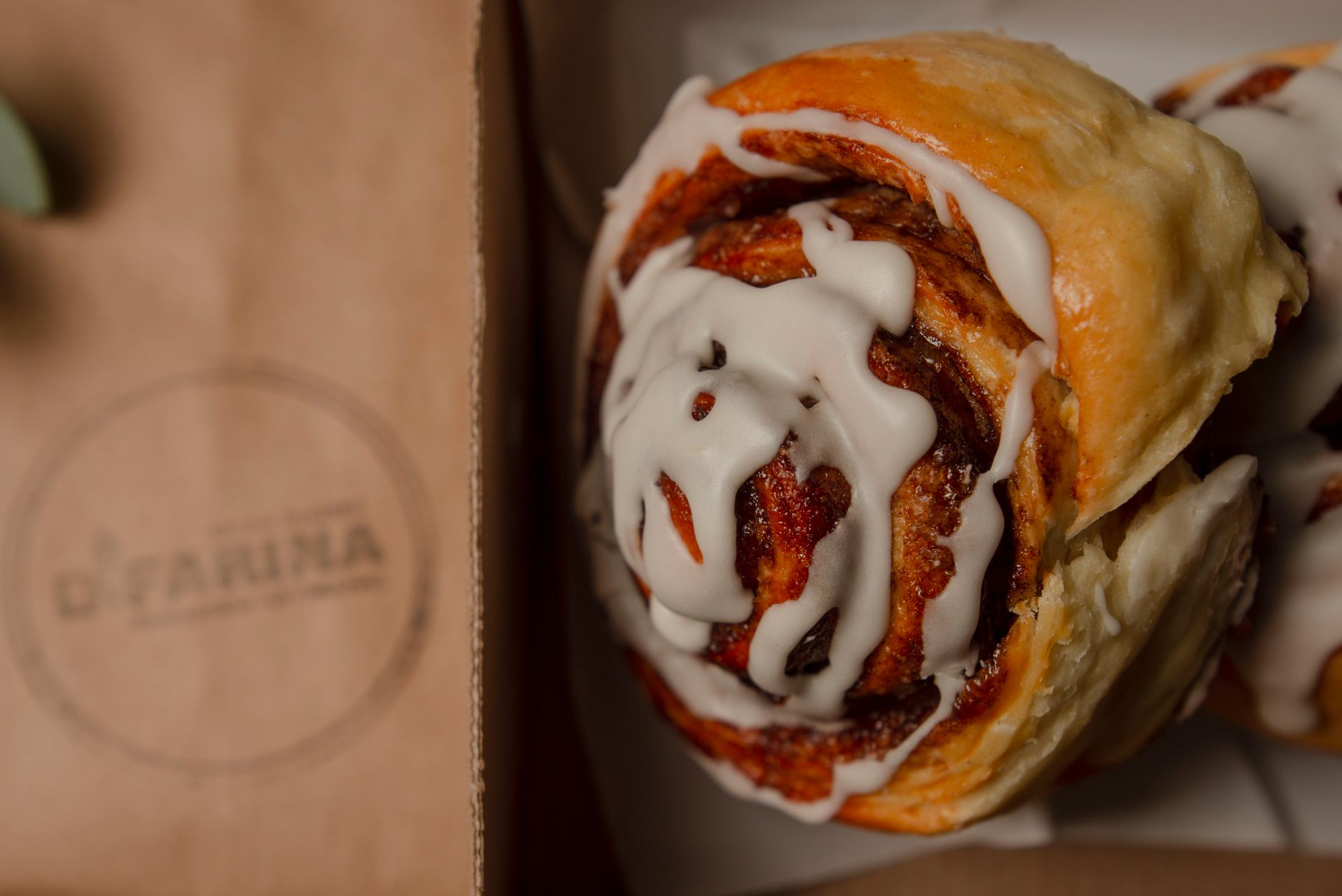
Cinnamon rolls, with their sweet, buttery spirals and warm spicy aroma, have earned a beloved spot in breakfast tables and dessert menus around the world. These delightful pastries are often enjoyed fresh out of the oven, drizzled with icing, and paired with a hot cup of coffee. However, many people wonder about the calorie content of this indulgent treat, especially when considering portion sizes and daily dietary goals.
In this article, we will explore the calorie count of cinnamon rolls, factors affecting their caloric content, nutritional information, and some practical tips for enjoying these sweet rolls without derailing a balanced diet. Understanding the calories in a cinnamon roll can help you make informed choices whether you’re baking at home or indulging at your favorite bakery.
How Many Calories Is in a Cinnamon Roll?
The average cinnamon roll contains approximately 200 to 600 calories per serving, depending on several factors such as size, ingredients, and any toppings applied. A standard homemade cinnamon roll typically falls around 300 to 450 calories for a single serving, while larger or gourmet versions can reach higher calorie counts.
Factors Affecting the Caloric Content of Cinnamon Rolls
Several elements can influence the calorie count of cinnamon rolls, including the recipe used, the ingredients’ quality, and portion sizes. Here are the most significant factors:
1. Size and Portion
The size of the cinnamon roll is one of the most defining factors in its calorie content. Larger rolls, often served at bakeries or cafes, can easily exceed 600 calories, while smaller, homemade versions may contain fewer calories per piece. Be mindful of the portion size when indulging, especially in restaurant settings.
2. Ingredients Used
The ingredients in a cinnamon roll have a substantial impact on its nutritional profile. Traditional cinnamon rolls made with enriched white flour, butter, and sugar will likely have a higher calorie count than those made with whole wheat flour, less sugar, or healthier fats. Below are some common ingredients affecting total calories:
- Flour: All-purpose flour is commonly used for cinnamon rolls, adding significant calories. Whole grain options may reduce calorie density while also increasing fiber content.
- Sugar: The sugar content varies; rolls made with less sugar or natural sweeteners can be lower in calories.
- Butter or Oil: The type and amount of fat used in the dough create a richer flavor but can significantly increase calorie count.
- Frosting: Icing or frosting adds extra calories. Cream cheese frosting typically adds more calories compared to a simple glaze made with powdered sugar and milk.
3. Add-Ins
Cinnamon rolls can be customized with various add-ins such as nuts, raisins, or chocolate chips. While these additions enhance flavor and texture, they also increase the overall calorie count. For instance, adding a handful of chopped pecans or walnuts can add around 100-200 calories, depending on the quantity.
4. Cooking Method
The method of preparation can influence the final caloric content as well. For instance, frying cinnamon rolls rather than baking them can significantly increase the number of calories due to the added oil. Baking is generally the lower-calorie option but does not affect calories as drastically as ingredient choices do.
Nutritional Information for Cinnamon Rolls
To provide a clearer picture, here are some general nutritional parameters of an average cinnamon roll (approximately 300 calories):
- Calories: 300
- Carbohydrates: 40-50 grams
- Protein: 4-6 grams
- Fat: 10-15 grams
- Sugars: 10-20 grams
Bear in mind that the specific values can vary widely based on recipe variations and techniques used in preparation.
How to Make Healthier Cinnamon Rolls
Enjoying cinnamon rolls doesn’t have to mean compromising on health. Here are some tips for creating more nutritious options:
- Choose Whole Grains: Substitute all-purpose flour with whole wheat flour or other whole grain flours. This increases fiber content and provides longer-lasting energy.
- Reduce Sugar: Use less sugar in the dough and frosting or opt for natural sweeteners like honey or maple syrup.
- Use Healthy Fats: Consider using healthier alternatives to butter, such as coconut oil, applesauce, or unsweetened yogurt to cut back on saturated fat and calories.
- Portion Control: Make smaller rolls or slice larger rolls into smaller portions to keep calorie intake in check.
Storage and Reheating
Proper storage and reheating can ensure that leftover cinnamon rolls remain delicious while keeping healthy eating in mind.
Storing Cinnamon Rolls
Cinnamon rolls should be stored in an airtight container at room temperature for up to two days. If you plan to keep them for longer, consider freezing. Follow these guidelines:
- Allow rolls to cool completely before wrapping them tightly in plastic wrap or aluminum foil.
- Place the wrapped rolls in a freezer bag, squeezing out as much air as possible to prevent freezer burn.
- Label the bag with the date and type of cinnamon roll for reference.
Reheating Cinnamon Rolls
To enjoy cinnamon rolls after storage, follow these reheating methods:
- Microwave: Place a cinnamon roll on a microwave-safe plate and cover it with a damp paper towel. Heat for 10-15 seconds; add additional time if necessary but avoid overheating, which can dry them out.
- Oven: Preheat the oven to 350°F (177°C) and place the rolls on a baking sheet. Cover with foil to prevent drying, and heat for about 10-15 minutes until warmed through.
Common Mistakes When Making Cinnamon Rolls
Troubleshooting during cinnamon roll preparation can help avoid common pitfalls. Here are a few mistakes to watch out for:
- Not Proofing the Dough Properly: Make sure your yeast is active and allow the dough to proof in a warm environment to rise appropriately.
- Overworking the Dough: Knead the dough just enough until it is smooth and elastic. Overworking can lead to tough rolls.
- Ignoring Oven Temperature: Always preheat your oven and use an oven thermometer to ensure accurate baking temperatures, leading to evenly baked rolls.
- Slicing Rolls Incorrectly: Use a sharp knife or dough cutter to slice rolls for cleaner edges and even baking.
Conclusion
The calorie count of cinnamon rolls can vary widely based on ingredients, preparation methods, and portion sizes, typically ranging from 200 to 600 calories per roll. With some adjustments, it is entirely possible to enjoy this tasty treat while maintaining a balanced diet. Whether you’re indulging in a classic bakery-style roll or testing a healthier version at home, understanding the caloric content can empower better choices for your dietary preferences.
For those interested in baking, consider exploring some delicious recipes that enhance your cinnamon roll experience, such as this cinnamon roll recipe with heavy cream for a richer texture or Dollywood cinnamon bread recipe for an inspired twist. Happy baking!