
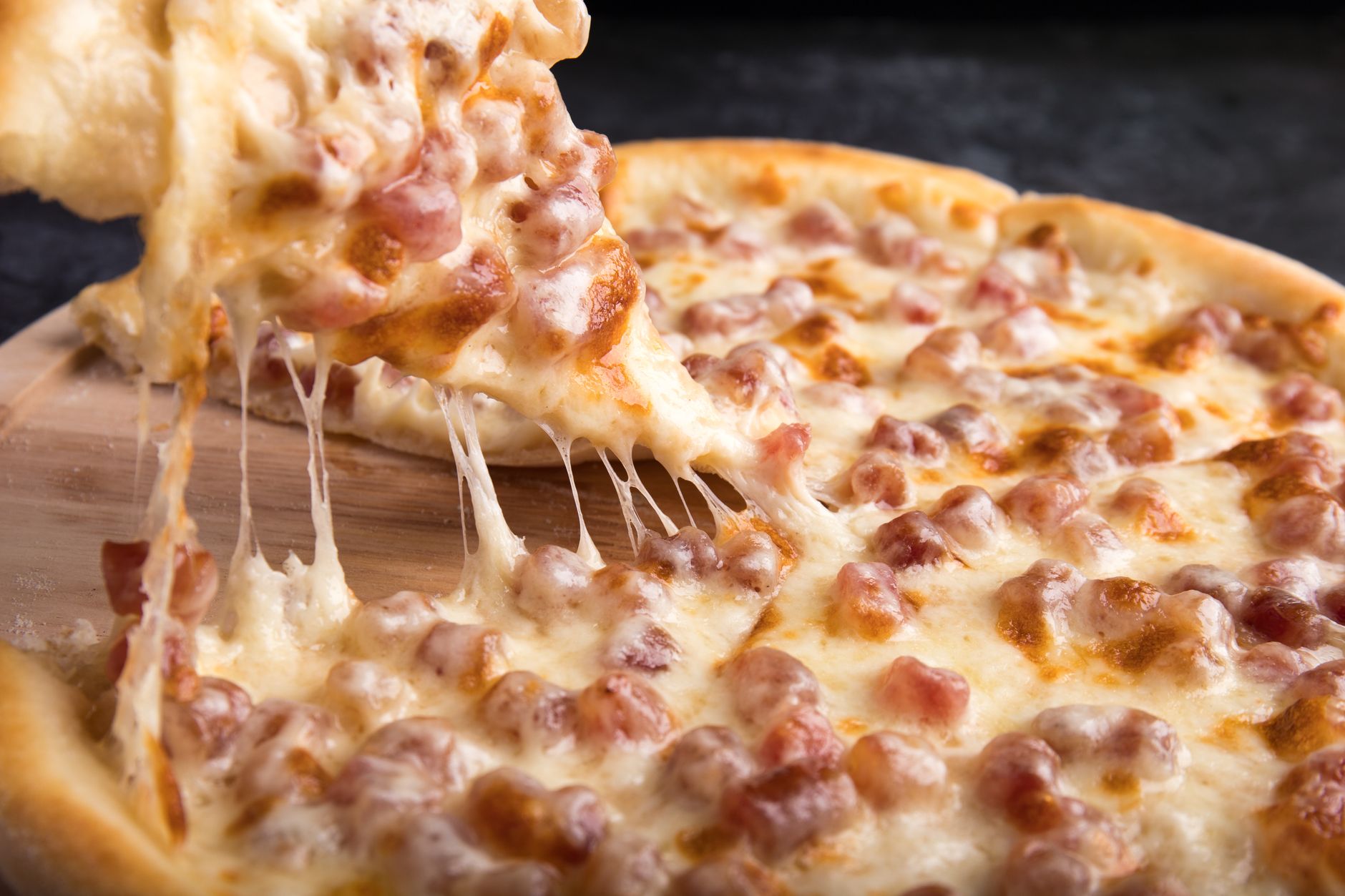
Cheese pizza is a classic favorite loved by many for its simplicity and deliciousness. While the gooey cheese and crispy crust come to mind when thinking about this dish, understanding its nutritional content, particularly calories, is essential for meal planning and dietary considerations.
The number of calories in a cheese pizza varies based on its size, ingredients, and preparation method. In this article, we dive into the details about the calorie counts, nutritional value of cheese pizza, portion sizes, and even some tips for enjoying it while being mindful of your diet.
How Many Calories in a Cheese Pizza?
A standard slice of cheese pizza contains about 200 to 300 calories, depending on its thickness, toppings, and the size of the slice. A whole cheese pizza typically ranges from 1,200 to 2,500 calories, based on its diameter and composition.
Understanding the breakdown of calories is essential for those monitoring their intake, whether for weight loss, maintenance, or overall health.
Nutritional Breakdown of Cheese Pizza
To provide a clearer picture, let’s explore the macronutrient content found in a typical slice of cheese pizza made with standard ingredients.
- Calories: 200-300
- Protein: 10-15 grams
- Fat: 8-15 grams
- Carbohydrates: 20-30 grams
- Saturated Fat: 3-5 grams
- Sodium: 400-800 milligrams
- Fiber: 1-3 grams
- Sugars: 1-3 grams
Factors Affecting Calorie Count
Several factors influence the calorie count of your cheese pizza. Below are the key aspects to consider:
1. Size of the Pizza
The diameter of the pizza significantly affects its total calorie count. A typical large pizza (14 inches) can be cut into 8 slices, while a medium pizza (12 inches) will usually yield 8 slightly smaller slices. The calories per slice will vary accordingly.
2. Crust Type
The type of crust – thin, thick, or stuffed – plays a crucial role in determining the calorie count. Thin crust pizzas generally have fewer calories since they contain less dough, while thick or pan crusts add additional calories due to the increased dough and additional toppings.
3. Cheese Variety
The type and amount of cheese used also impact the calorie total. Full-fat mozzarella will generally add more calories compared to part-skim or low-fat mozzarella. Specialty cheeses like cheddar or gouda can further increase the calorie density of the pizza.
4. Toppings
While adding extra toppings such as vegetables, meats, or extra cheese increases the calorie count, they can also enhance the overall nutritional profile of the pizza. For example, adding vegetables can increase fiber and vitamins, while meats often add protein but will also boost calories significantly.
Understanding Portion Sizes
When enjoying a cheese pizza, controlling portion sizes is crucial to managing caloric intake. Here’s how you can navigate your portions effectively:
- Standard Serving: Typically, one slice is considered a standard serving for moderate snack or meal sizes.
- Whole Pizza Servings: A medium pizza divided into eight slices suggests that two to three slices can serve as a complete meal.
- Sharing: If indulging with friends or family, consider sharing a pizza to help control portion sizes and vary flavors.
How to Calculate Caloric Intake
Incorporating cheese pizza into your diet can be done while keeping track of caloric intake. Here’s how to calculate your intake:
- Identify Your Slice: Determine how many slices you plan to consume and estimate their calorie count.
- Know Your Total: If a whole pizza contains 2,000 calories and you consume two slices, then you’ve eaten approximately 500 calories.
- Factor in Other Meals: Ensure to consider other meals throughout the day to maintain a balanced caloric intake.
Tips for Enjoying Cheese Pizza While Counting Calories
Here are simple tips for enjoying cheese pizza without overindulging:
- Choose Thin Crust: Opting for thin crust can reduce calories significantly.
- Limit Extra Toppings: Avoid adding calorie-dense toppings like extra cheese or meats. Instead, consider adding vegetables.
- Pair with a Salad: Serve a side salad to balance the meal and help manage portion sizes.
- Hydrate: Drink plenty of water before and after your meal to help with satiety.
Healthier Alternatives to Cheese Pizza
For those looking to enjoy pizza in a healthier way, consider these alternatives:
Veggie Pizza
A veggie pizza replaces cheese with a variety of vegetables, enhancing fiber and nutrients while reducing calorie density.
Cauliflower Crust Pizza
Using a cauliflower base provides a lower-carb option. It’s rich in vegetables and usually lighter in calories than traditional crusts.
Whole Wheat Crust
A whole wheat crust increases fiber content, helping with satiety while also offering a healthier choice compared to standard white crusts.
Make Your Own Cheese Pizza
If you prefer a homemade version, making cheese pizza allows you to control ingredients and portion sizes. Here’s a simple guideline:
Ingredients
- 1 pizza dough (store-bought or homemade)
- 1-1.5 cups shredded mozzarella cheese
- ½ cup pizza sauce
- Optional: Fresh herbs (basil, oregano), vegetables, etc.
Equipment
- Pizza stone or baking sheet
- Oven
- Rolling pin (for homemade dough)
- Pizza cutter
Steps
- Preheat your oven to 475°F (245°C).
- If using homemade dough, roll it out on a floured surface until it reaches desired thickness.
- Transfer the dough to a pizza stone or baking sheet.
- Spread pizza sauce evenly over the dough.
- Sprinkle cheese over the sauce, along with any optional toppings.
- Bake in the oven for 10-15 minutes or until the crust is golden brown and the cheese is melted and bubbly.
- Remove from the oven, cut into slices, and enjoy.
Storing Leftover Cheese Pizza
If you have any leftover pizza, proper storage is essential:
- Allow pizza to cool down to room temperature before storing.
- Wrap slices in foil or place them in an airtight container.
- Refrigerate for up to 3-4 days. For longer storage, consider freezing slices in foil and then placing them in a freezer bag to keep them fresh for up to three months.
Reheating Pizza
When reheating, ensure to retain the pizza’s texture:
- Use an oven or toaster oven for best results; preheat to 350°F (175°C) and place slices directly on the oven rack until warmed.
- A skillet on medium heat can also work; cover it to melt the cheese while keeping the bottom crispy.
Conclusion
Cheese pizza remains a beloved comfort food that can be enjoyed when balanced with awareness of portion sizes and ingredients. Understanding the calorie content and making wiser choices can enable you to indulge in this popular dish without compromising your dietary goals. By making conscious choices such as opting for thin crust or adding veggies, you can enjoy a slice or two without it derailing your nutrition plan.
Consider exploring more about pizza dough options with our guides on King Arthur pizza dough recipe or Sicilian pizza dough recipe to enhance your pizza experience further.