
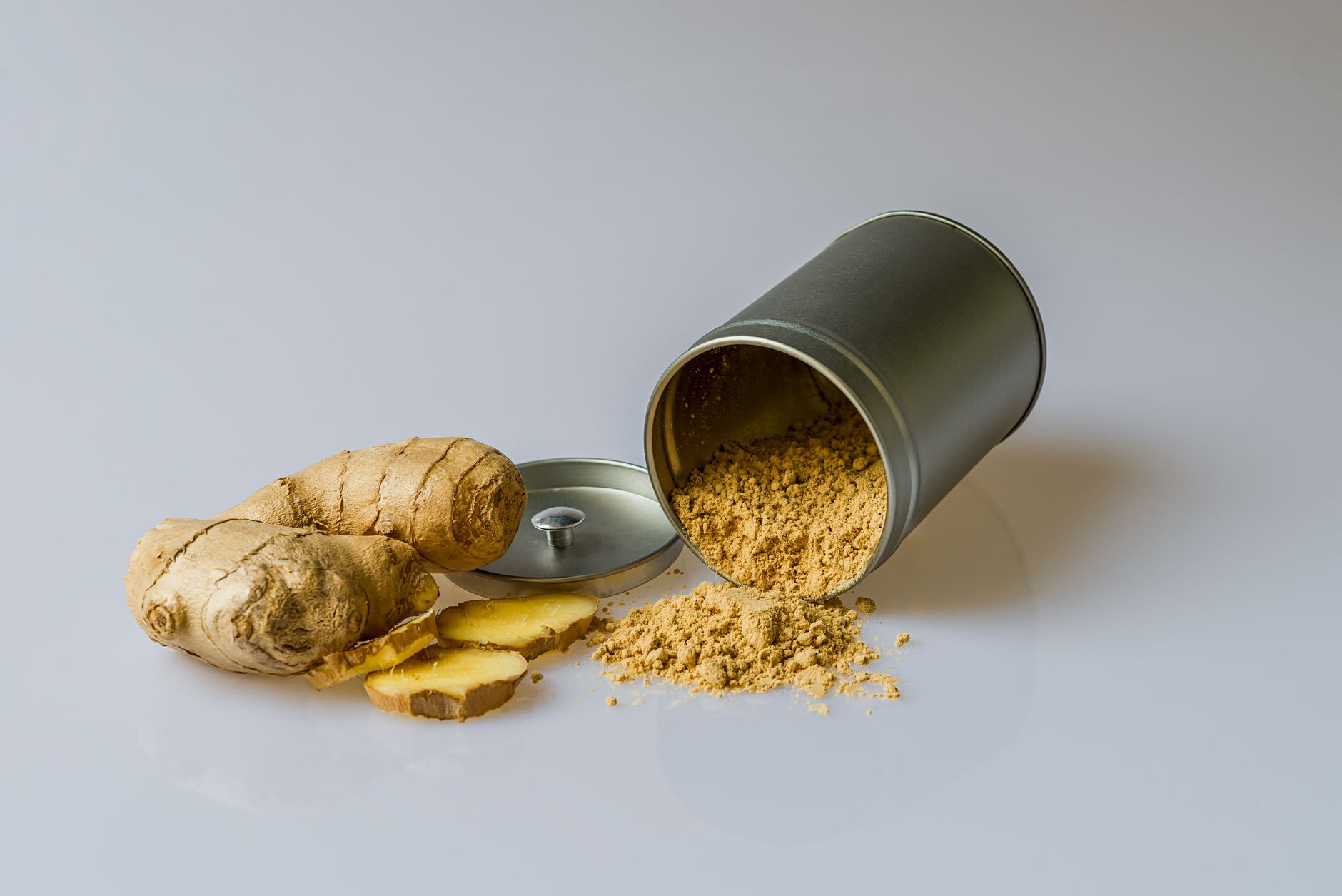
Ginger paste is a popular ingredient that adds a warm, spicy flavor to a variety of dishes ranging from stir-fries to marinades. But if you find a jar of ginger paste sitting in the back of your refrigerator, you might wonder—does ginger paste go bad? Knowing how to store, recognize spoilage signs, and determine the shelf life of ginger paste will help you keep your cooking studio running smoothly.
In this guide, we will explore the intricacies of ginger paste, including how to store it correctly, how long it lasts, and signs that indicate it has gone bad. Understanding these factors can help you maintain the quality of your ingredients and reduce food waste.
Does Ginger Paste Go Bad?
Yes, ginger paste can go bad. Like many condiments and food products, its shelf life varies based on storage conditions and whether it has been opened. Knowing how to store ginger paste and to identify spoilage signs will ensure you use it safely and effectively.
What is Ginger Paste?
Ginger paste is a blend of fresh ginger root and oil or water, pureed into a smooth consistency. It is used to infuse recipes with the distinct flavor of ginger, making it a staple in many Asian cuisines. It is favored for its convenience, allowing cooks to skip the peeling and grating of fresh ginger.
Making Ginger Paste
Making ginger paste at home is simple and requires only a few steps. Here’s a quick overview of the process:
- Peel the fresh ginger root using a spoon or a peeler.
- Chop the ginger into smaller pieces for easier blending.
- Place the chopped ginger into a blender or food processor.
- Add a small amount of oil or water to help with blending.
- Blend until it reaches a smooth, paste-like consistency.
- Store in an airtight container in the refrigerator.
How Long Does Ginger Paste Last?
The shelf life of ginger paste depends on whether it is homemade or store-bought, as well as its storage conditions. Here are general guidelines:
Homemade Ginger Paste
- Refrigerator: Up to 2 weeks
- Freezer: Up to 6 months
Store-Bought Ginger Paste
- Unopened: Check the best-by date on the packaging, generally 6 months to 1 year
- Opened: Typically lasts 1 to 3 months in the refrigerator
Signs That Ginger Paste Has Gone Bad
Understanding how to identify spoilage signs is essential for food safety. Here are some indicators that ginger paste might be bad:
Visual Signs
- Discoloration: If you notice an unusual darkening or a bluish tint to the paste, it’s best to discard it.
- Mold: Any visible mold growth or fuzzy patches means the paste is spoiled.
Textural Signs
- Separation: While some separation is normal, excessive liquid pooling at the top can indicate spoilage.
- Graininess: If the paste has become grainy or chunky, it may be past its prime.
Smell Test
Fresh ginger paste has a sharp and spicy aroma. If it emits a sour, off, or rancid smell, it should not be used.
How to Properly Store Ginger Paste
Proper storage of ginger paste extends its shelf life and maintains its flavor. Follow these guidelines to store both homemade and store-bought ginger paste:
Refrigerator Storage
- Store ginger paste in an airtight container to reduce exposure to air.
- Use a clean utensil each time you serve from the container to avoid introducing bacteria.
- Label the container with the date of preparation or opening to track its freshness.
Freezing Ginger Paste
Freezing is an excellent way to prolong the shelf life of ginger paste. Here’s how to do it:
- Portion the ginger paste into ice cube trays for easy usage later.
- Once frozen, transfer the cubes into a freezer-safe bag or container, removing as much air as possible.
- Label and date the container, and store it in the freezer, where it will last up to 6 months.
Using Leftover Ginger Paste
Using leftover ginger paste is a great way to avoid waste. Here are some ideas for incorporating it into your cooking:
- Add it to soups and stews for a flavor boost.
- Mix it into marinades for meats or tofu.
- Stir into sauces and dressings for a zesty kick.
- Use it as a base for ginger tea; just mix with hot water and a sweetener of choice.
Can You Substitute Fresh Ginger for Ginger Paste?
If you don’t have ginger paste on hand, you can certainly substitute fresh ginger. The general conversion is as follows:
- 1 tablespoon of ginger paste is approximately equal to 1 tablespoon of fresh grated ginger.
Keep in mind that the intensity of flavor may vary slightly, so you may want to adjust the amount according to personal taste.
Common Mistakes with Ginger Paste
Here are some common errors people make when handling ginger paste and how to avoid them:
Wrong Storage Practices
Storing ginger paste in a warm or damp area can promote spoilage. Always store it in the refrigerator or freezer for maximum longevity.
Using Contaminated Utensils
Using unclean utensils to scoop out ginger paste can introduce bacteria. Always use a clean spoon or knife.
Ignoring Best-By Dates
For store-bought paste, it’s essential to check the best-by date. Using it past this point may not guarantee quality.
Frequently Asked Questions about Ginger Paste
Can you eat expired ginger paste?
While it might be safe to consume ginger paste a little past its expiration date, always check for visible signs of spoilage such as an off smell or mold before using.
Is ginger paste safe for pregnant women?
Ginger has been used to relieve nausea, particularly during pregnancy. However, moderation is key. It’s advisable to consult a doctor or healthcare provider regarding its use during pregnancy.
Can you use ginger paste in baking?
Ginger paste can be used in various baking recipes, particularly in gingerbread or spice cakes, although fresh or ground ginger might lend different flavor profiles.
Conclusion
Ginger paste is a versatile ingredient that adds depth to many dishes, but knowing how to store it properly and recognizing spoilage signs are crucial to enjoying it safely. Make sure to monitor its freshness and have fun exploring ways to incorporate ginger paste into your cooking.
If you’re interested in learning more about ginger, check out our guide on what ginger is or try making ginger syrup for a delightful addition to your culinary repertoire.