
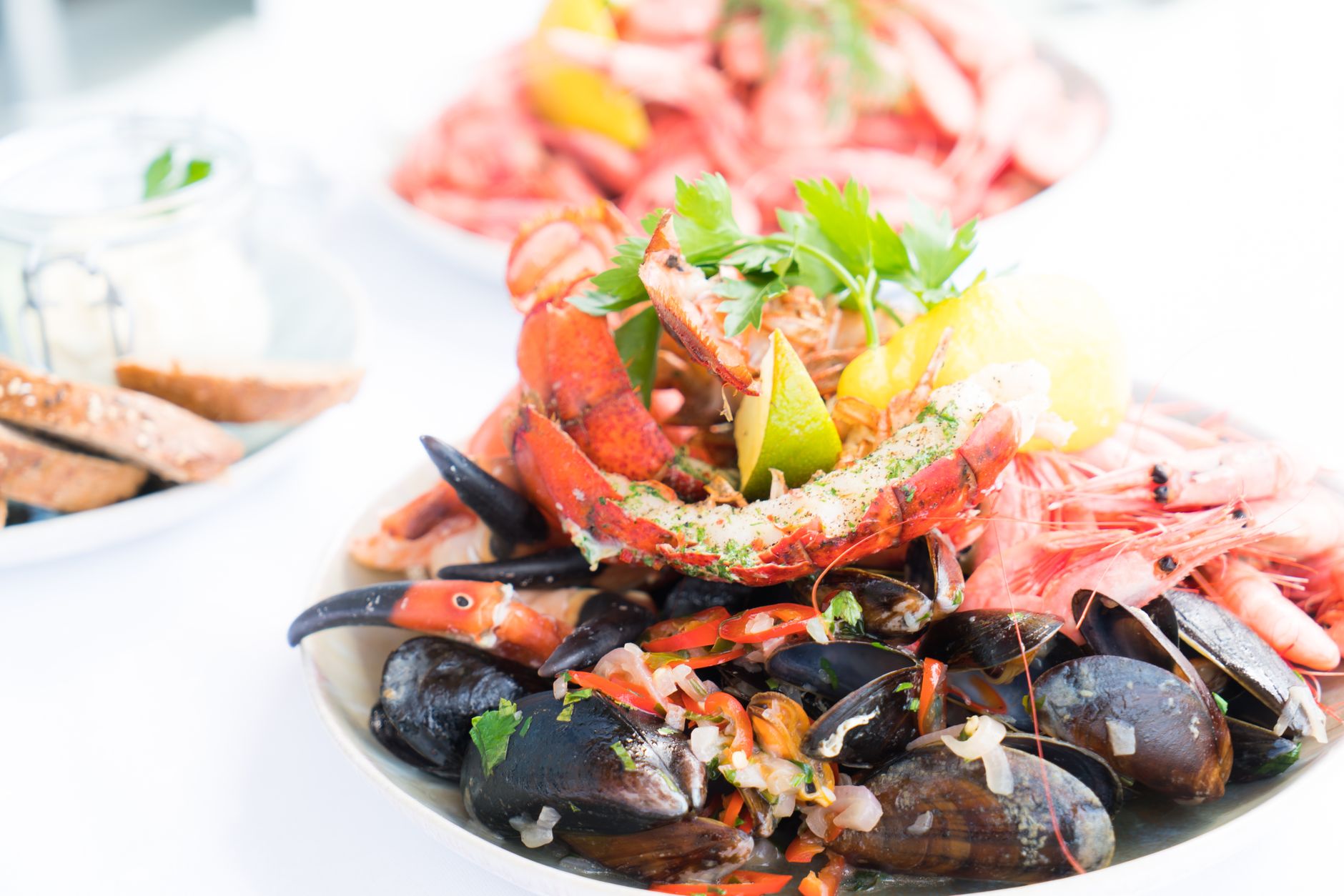
Lobster and crab are two of the most sought-after seafood delicacies, often enjoyed in various culinary contexts. Understanding how their flavors and textures compare can enhance your cooking experience, help you make informed choices, and even inspire recipe variations.
This article will explore the similarities and differences between lobster and crab, covering flavor profiles, textures, culinary uses, and potential pairings to help you decide which seafood to utilize in your next dish.
Does Lobster Taste Like Crab?
While lobster and crab are both shellfish and share some similarities, they have distinct differences in flavor and texture. Lobster is known for its sweet, slightly briny flavor and firm, tender meat, whereas crab tends to be sweeter and flakier, especially in varieties like king crab. The choice between the two often comes down to personal preference and the specific dish being prepared.
The Flavor Profiles of Lobster and Crab
When it comes to seafood, the flavor is paramount. Both lobster and crab provide unique tastes influenced by their diet, habitat, and preparation methods.
Lobster’s Flavor Profile
Lobster meat is prized for its sweet, subtle flavor coupled with a slightly briny note. This sweetness is more pronounced in fresh, high-quality lobster. The meat is versatile and easily absorbs the flavors of accompanying ingredients, making it ideal for a range of culinary applications.
Crab’s Flavor Profile
Crab tends to have a sweeter and richer flavor than lobster, especially in varieties like blue crab and Dungeness crab. Each species can bring its unique taste to the table. For instance, Alaskan king crab is often described as having a delicate sweetness with a slightly oceanic flavor, while blue crab is known for its mild sweetness and tender meat texture.
Texture Comparison: Lobster vs. Crab
The texture of seafood plays a significant role in the overall eating experience. Let’s break down the physical characteristics of both lobster and crab.
Lobster’s Texture
Lobster meat is firm yet tender, making it ideal for various cooking techniques. When cooked properly, the meat has a delightful bounce and can be extracted easily from the shell. Lobster has distinct chunks of meat, particularly in the tail and claws, which is more fibrous compared to crab.
Crab’s Texture
Crab meat is often flakier and more delicate than lobster. It has a soft, moist quality that can vary significantly between different crab types. For example, king crab leg meat is thick and luxurious, while blue crab offers tender, delicate meat that’s ideal for salads and dips.
Culinary Uses and Preparation Methods
Both lobster and crab can be prepared in various ways, adding their unique flavors and textures to countless dishes. Let’s explore some popular preparation methods and culinary uses for each.
Common Ways to Prepare Lobster
- Boiled or Steamed: This classic method preserves the lobster’s flavor and juiciness. It’s an ideal preparation for serving with melted butter and lemon.
- Grilled: Grilling adds a wonderful smoky flavor. Simply brush the lobster with oil, season, and grill until cooked through.
- Broiled: Broiling is great for lobster tails. The high, direct heat caramelizes the surface, enhancing sweetness.
- Lobster Rolls: This is a quintessential New England dish where lobster meat is mixed with mayo, lemon, and seasonings, often served in a buttered roll.
Common Ways to Prepare Crab
- Steamed: Steaming crabs enhances their natural sweetness and preserves moisture. This method is popular for blue crabs and Dungeness crabs.
- Crab Cakes: A mix of crab meat, breadcrumbs, and seasonings formed into patties, crab cakes are often pan-fried or baked for a crunchy texture.
- Soups and Stews: Crab meat adds depth and flavor to dishes like crab bisque or gumbo.
- Crab Salad: Mixed with other ingredients, crab meat can create refreshing salads perfect for summer meals.
Flavor Pairings for Lobster and Crab
Understanding how to pair flavors can elevate your seafood dishes. Certain ingredients complement both lobster and crab beautifully.
Ideal Pairings for Lobster
- Butter: Melting butter is a classic accompaniment that enhances the sweetness of the meat.
- Garlic: A touch of garlic adds an aromatic depth, especially when butter is involved.
- Herbs: Fresh herbs like basil, parsley, and tarragon can balance the richness of lobster.
- Citrus: Lemon or lime juice brightens lobster dishes and cuts through the richness.
Ideal Pairings for Crab
- Mayonnaise: Creamy mayo mixed with lemon juice or Old Bay seasoning makes a classic crab salad.
- Vinegar: A splash of vinegar, particularly apple cider or white wine vinegar, can enhance the sweetness of crab meat.
- Capers: Their briny flavor can add complexity to crab dishes, contrasting well with the sweet meat.
- Mustard: A mustard sauce can add a delightful zing, especially in crab cakes or dips.
Substituting Lobster and Crab in Recipes
If you can’t find one type of seafood, there are ways to substitute lobster and crab in various recipes. However, keep in mind that they may not always be interchangeable due to flavor and texture differences.
Lobster Substitutes
- Crab: While different in texture, crab can provide a similar sweetness in dishes like pasta or salads.
- Shrimp: Shrimp can be a suitable lobster substitute, adding a sweet flavor, though the texture is less firm.
- Fish: Certain firm fish like halibut or swordfish can mimic the meaty texture of lobster, but the flavor will differ.
Crab Substitutes
- Lobster: In recipes, lobster can replace crab, but expect a firmer texture and richer flavor.
- Imitation Crab: Made from surimi, imitation crab can work in a pinch for crab cakes or salads, though the taste will be more mild.
- Shellfish Mix: A mix of shellfish like shrimp and scallops can provide a layered flavor similar to crab.
Common Mistakes When Cooking Lobster and Crab
Cooking lobster and crab requires attention to detail. Here are some common mistakes to avoid.
Cooking Lobster
- Overcooking: Cooking lobster too long can result in rubbery meat. Aim for an internal temperature of 140°F.
- Not Chilling Sufficiently: If serving cold lobster, ensure it’s properly chilled after cooking for the best flavor and texture.
Cooking Crab
- Cooking from Frozen: Always thaw crab before cooking; otherwise, it may cook unevenly.
- Ignoring the Shell: Be sure to remove the shell properly to enjoy the maximum meat, particularly in crabs with a lot of shell coverage.
Storing and Reheating Lobster and Crab
Proper food storage often determines the longevity and quality of your seafood.
Storing Lobster
- Keep live lobsters in the refrigerator, preferably in a breathable container, for up to two days.
- Cooked lobster should be stored in an airtight container in the refrigerator and consumed within three days.
Storing Crab
- Live crabs can be stored similarly to lobsters. Refrigerate and consume within one to two days.
- Cooked crab should also be kept in an airtight container in the refrigerator, where it will last for up to three days.
Reheating Lobster and Crab
Both lobster and crab can be gently reheated to maintain texture. Steam or warm in a covered pot with a small amount of water. Microwaving is not recommended, as it can lead to overcooked seafood.
Wrapping Up: Finding Your Seafood Preference
While lobster and crab each have their devoted fans, understanding their unique flavors and textures can enhance your culinary repertoire. Try experimenting with both in different dishes to discover your favorites.
As you explore the seafood world, consider checking the recipes for crab and lobster dishes mentioned in this article, such as the flavor profile of crab or perhaps the delicious broiled lobster tail recipe to add to your meal plans.