
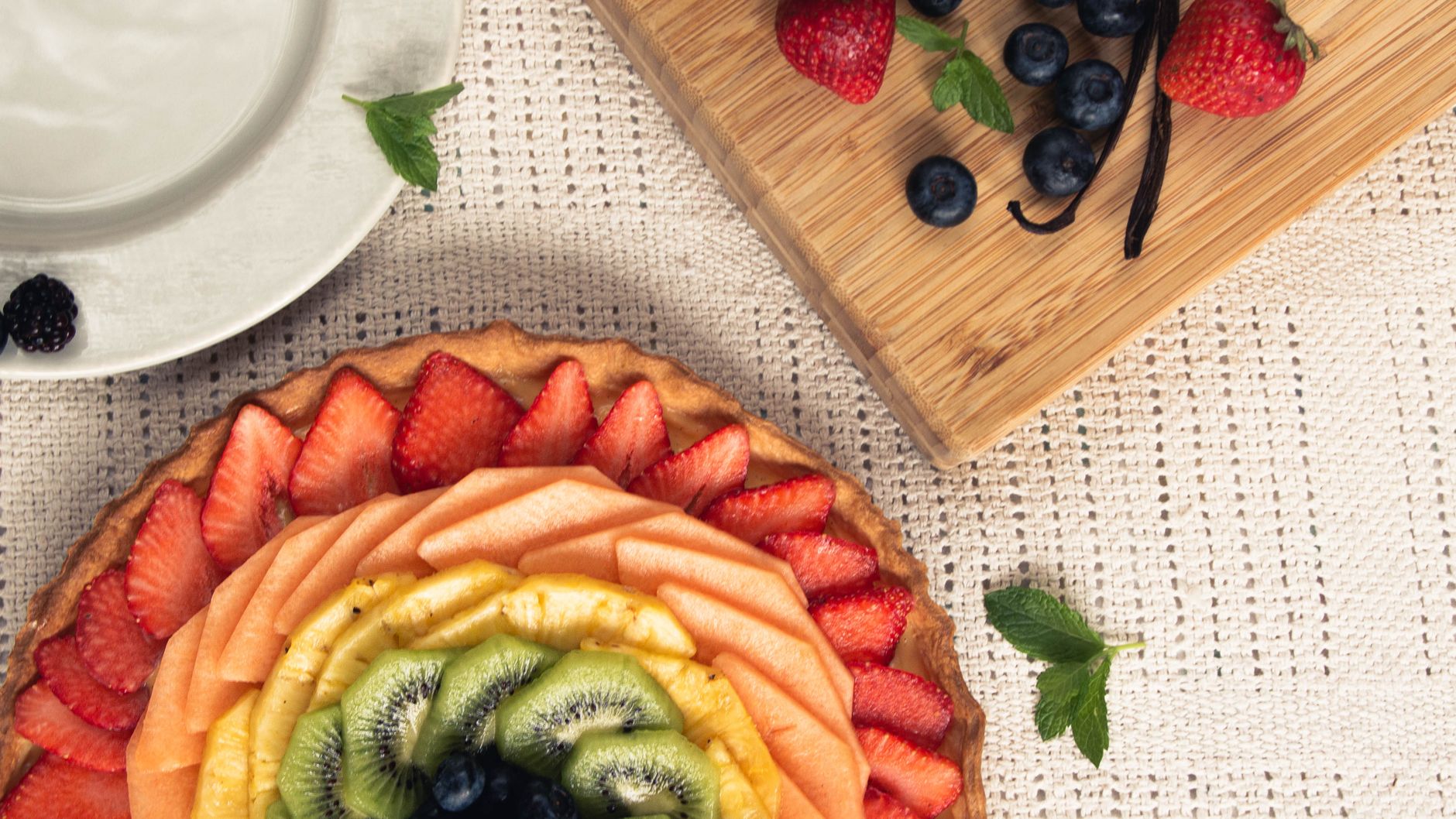
Understanding the distinction between a tart and a pie can be a delightful exploration for baking enthusiasts and casual cooks alike. While both dishes feature a crust and fillings, the differences in their structure and presentation lead to unique culinary experiences.
This article delves into the qualities that separate tarts from pies, including their ingredients, flavors, and the best ways to serve them, ensuring you can enjoy and appreciate both delightful desserts.
Is a Tart a Pie?
While tarts and pies share similarities, they are distinct desserts. A tart has a firmer crust that is often made from sweet or savory dough, filled with a variety of ingredients, while a pie typically has a softer, more flaky crust. The edges of tarts are usually fluted, and they are often baked in a removable-bottom pan.
Understanding the Crust
The crust is the foundation of both tarts and pies, and the differences start here. Understanding these can shape your approach to baking each:
Pie Crust
- Texture: Pie crusts are generally softer and flakier due to the incorporation of butter or shortening. This creates layered dough that becomes tender when baked.
- Preparation: Pie crusts are often rolled out thinly and can be blind-baked (pre-baked) to ensure the bottom doesn’t become soggy when filling is added.
- Types: Common pie crusts include traditional flaky crusts made from flour, water, and fat, and graham cracker crusts for cheese pies.
Tart Crust
- Texture: Tart crusts (often referred to as pate sucree or pate brisee) are denser and more cookie-like, made with a higher sugar content.
- Preparation: Tart dough is often chilled and pressed into the tart pan rather than rolled out, giving it a firmer structure that holds the filling well.
- Types: Tart crusts can vary from sweet (for dessert tarts) to savory (for quiches and galettes), often enriched with eggs or almond flour.
Ingredients: What Goes Inside?
While both pies and tarts can be filled with sweet or savory ingredients, the typical fillings differ across these two dessert categories.
Pie Fillings
- Fruit Pies: Fruit pies, like apple or cherry, often use fresh or frozen fruits combined with sugar, spices, and a thickener like cornstarch.
- Cream and Custard Pies: Cream or custard pies (e.g., chocolate cream pie) are filled with rich custards, heavy cream, and sometimes topped with whipped cream.
- Savory Pies: Savory versions like pot pies and quiches are filled with ingredients like vegetables, meats, and cheeses bound together with a custard or sauce.
Tart Fillings
- Fruit Tarts: Fruit tarts often feature a pastry cream base topped with seasonal fruits. The contrast of creaminess and fresh fruit makes them refreshing.
- Custard Tarts: Custard tarts are popular in many cultures (think of a classic egg custard). The filling tends to be thicker and more set than a pie custard.
- Savory Tarts: Savory tarts, such as quiches, can be loaded with vegetables, cheeses, and proteins, creating a rich and satisfying dish.
Flavor Profiles
The flavor profiles of tarts and pies can vary significantly due to the ingredients and preparation methods used. Both can be sweet or savory, but they tend to evoke different culinary traditions and tastes.
Pies
Fruit pies are often indulgent, with the sweetness of the fruit complemented by the buttery crust. Cream pies and custards can be rich, creamy, and comforting, while savory pies have an earthy flavor, often infused with herbs and spices.
Tarts
Tarts often focus on the balance of textures and flavors. The shell is typically less sweet, allowing the filling (be it sweet or savory) to shine. For example, a fruit tart with pastry cream offers a delightful contrast between creamy and fresh fruit flavors. Savory tarts can be savory and elegant, showcasing ingredients in a refined manner.
How to Serve Tarts and Pies
Serving tarts and pies properly can enhance the dining experience and highlight their unique characteristics.
Serving Pies
- Temperature: Pies can be served warm or chilled, depending on the type. Fruit pies are often enjoyed warm with a scoop of ice cream, while cream pies are best served chilled.
- Accompaniments: Whipped cream, ice cream, or fresh fruit can elevate the experience. For savory pies, consider serving with a side salad or a dollop of sour cream.
- Presentation: Traditionally, pies are presented whole and sliced in wedges, showing off their enticing fillings.
Serving Tarts
- Temperature: Tarts are typically served chilled or at room temperature. This allows the crust to maintain its firmness and the fillings to set properly.
- Accompaniments: For sweet tarts, a light dusting of powdered sugar or a drizzle of chocolate sauce can add a touch of elegance. Savory tarts pair well with fresh herbs or a drizzle of balsamic reduction.
- Presentation: Tarts are usually served in slices, showcasing the layers and fillings, making them visually appealing.
Common Mistakes in Baking Tarts and Pies
Baking tarts and pies can be a rewarding experience, but common pitfalls can arise. Here are some mistakes to watch for and tips to avoid them.
Pies
- Overworking the Dough: Overmixing can lead to tough crusts. Handle the dough gently and only until combined.
- Soggy Bottoms: This issue can arise from wet fillings. Blind-baking the crust and using thickeners can help combat sogginess.
- Underbaking: Ensure the internal filling reaches the desired consistency. Use a thermometer as guidance for custard pies.
Tarts
- Undercooking the Crust: A tart crust requires a precise baking time. Keep an eye on it to ensure it is golden brown and fully cooked.
- Filling Measurements: Too much filling can lead to spillage while baking. Stick to recommended amounts to avoid messes.
- Chilling the Dough: Neglecting to chill tart dough may lead to shrinking. Make sure to refrigerate the dough before baking.
Practical Substitutions and Variations
One of the joys of baking is experimenting with various flavors and ingredients. Here are some practical substitutions and variations you can try for both tarts and pies.
Substitutions for Pie Crust
- Gluten-Free Crust: Substitute all-purpose flour with a gluten-free flour blend. Ensure you add a binding agent like xanthan gum for structure.
- Whole Wheat Crust: Use whole wheat flour to add nuttiness and depth of flavor, keeping in mind it may yield a denser texture.
- Vegan Crust: Replace butter with coconut oil or vegan butter, and use cold water for hydration to maintain flakiness.
Substitutions for Tart Crust
- Nuts and Seed Crust: Ground almonds or nuts can be used in place of flour for a gluten-free option. This will also add flavor and richness.
- Shortbread Crust: Incorporate shortbread cookies crushed into crumbs as a base for tarts, especially effective for dessert variations.
- Coconut Flour Crust: Coconut flour can be a fascinating substitute for traditional flour, offering a unique flavor profile while being gluten-free.
Make-Ahead Guidance
Both pies and tarts can be prepared in advance, allowing you to serve delicious desserts without last-minute stress.
Making Ahead Pies
- Crusts: Pie crusts can be made, wrapped tightly in plastic, and refrigerated for up to three days or frozen for up to three months.
- Filled Pies: Most fruit pies can be assembled ahead and baked later. Assemble the pie, cover it, and refrigerate until ready to bake.
Making Ahead Tarts
- Crusts: Tart shells can be baked a day in advance. Store them at room temperature until you’re ready to fill them.
- Filled Tarts: Tarts filled with fruit or custard can also be prepared in advance. Assemble and chill until serving to maintain the crust’s integrity.
Storage and Reheating Tips
Baking these delicious desserts is only half the battle; proper storage and reheating can enhance their longevity and preserve flavors.
Storing Pies
- Refrigeration: Most fruit and cream pies should be kept in the refrigerator and consumed within 3–4 days.
- Freezing: Unbaked fruit pies can be frozen before baking. Once baked, pies can be frozen for a month but can lose their texture if not stored properly.
Storing Tarts
- Refrigeration: Sweet tarts, once filled, are best consumed within 2–3 days and should be kept in the fridge.
- Freezing: Frozen tarts can be challenging due to textures. It’s best to freeze the shells unfilled and prepare fillings fresh.
While tarts and pies may feature similar components, their distinctions make both worth exploring. Understanding their differences, flavor profiles, and preparation techniques can help create a delightful experience in your kitchen. Ultimately, whether you choose to bake a rich, flavorful pie or a fresh, light tart, you’ll be sure to impress family and friends.
To continue your culinary journey, explore our delicious pear pie recipe or try our rich pecan pie recipe without corn syrup for your next baking adventure.