
Popcorn is often a popular snack option that many enjoy during movie nights, game days, or simply as a light treat. But a common question arises: Is popcorn processed food? This article will explore the different types of popcorn, how it’s made, and the distinctions between processed and unprocessed foods.
Understanding popcorn’s classification can help you make informed decisions about your snacks and overall diet. We’ll cover everything from the basic characteristics of popcorn to practical kitchen uses and the most popular ways to prepare it.
Is Popcorn Processed Food?
Popcorn itself, when made from whole kernels, is not considered processed food. It falls into the category of whole grains, which are unrefined and offer various health benefits. However, popcorn that has been flavored or altered with additives can be classified as processed food. Understanding this distinction is essential for making healthier choices.
What Is Popcorn?
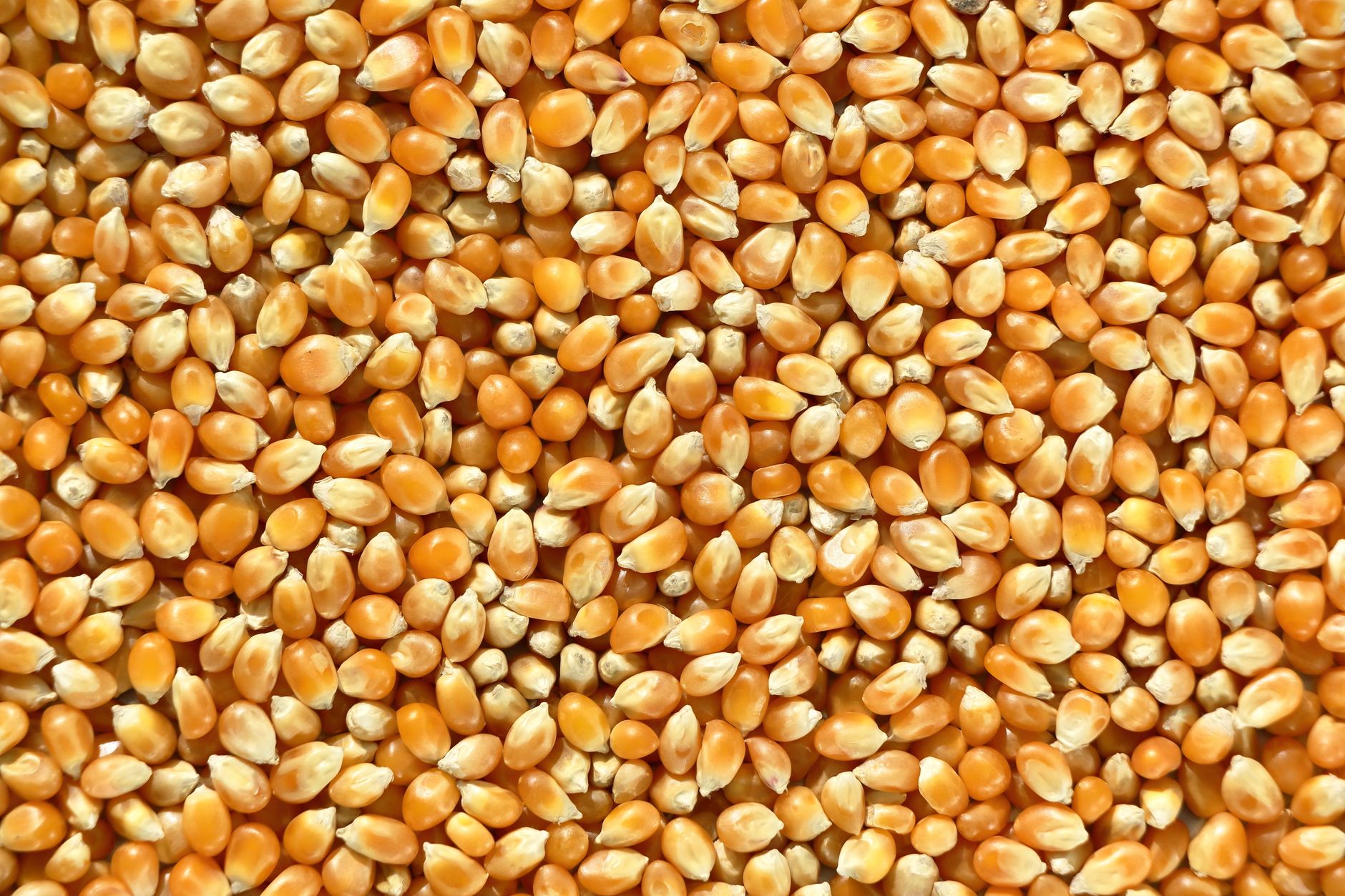
Popcorn is a type of corn known for its ability to expand and puff up when heated. It belongs to the Zea mays everta variety, specifically cultivated for popping purposes. When heated, the moisture inside the kernel turns into steam, increasing pressure until the hull bursts, creating the characteristic fluffy snack.
Types of Popcorn
There are several varieties of popcorn, each offering unique flavors and textures. Understanding these types can help you choose the best popcorn for your needs:
- Butterfly Popcorn: Light and airy with many “wings” or protrusions, which make it great for holding toppings.
- Mushroom Popcorn: Features a round shape and a denser structure, making it ideal for coating in caramel or cheese.
- Ladyfinger Popcorn: Small and tender, known for its delicate texture. Typically used for gourmet popping.
- Hulless Popcorn: While not entirely hull-less, these varieties have thin shells that break down easily, making them gentler on the teeth.
How Is Popcorn Made?
Making popcorn can be simple and enjoyable, whether you choose to do it on the stovetop, in an air popper, or in the microwave. Here’s a brief overview of the process:
1. Selecting Corn
First, choose high-quality popcorn kernels. Look for varieties that are fresh and well-sealed for the best popping results. Avoid old or stale kernels as they may not pop or can yield tough popcorn.
2. Heating
Heat is crucial for popping popcorn. The methods of heating include:
- Stovetop: Use a heavy-bottomed pot with a lid. Heat oil over medium-high heat, add kernels, cover, and wait for popping sounds.
- Air Popper: A dedicated appliance that uses hot air to pop the kernels without oil.
- Microwave: Place kernels in a microwave-safe bowl covered with a microwave-safe lid or use microwave popcorn bags.
3. Popping
As the kernels heat, steam builds up inside the hard shell. When the internal temperature reaches approximately 180°C (356°F), the hull explodes, releasing the popped corn.
4. Flavoring
Once popped, popcorn can be enjoyed plain or flavored with a variety of seasonings such as salt, butter, cheese, or other toppings. The sky is the limit when it comes to customizing your popcorn.
Understanding Processed Foods
To determine whether a food is processed, it helps to understand what processing means. Processed foods refer to items that have undergone mechanical or chemical treatments before reaching their final form. This can include freezing, canning, baking, and drying, but often implies the addition of preservatives, flavorings, or other artificial ingredients.
Foods can be categorized into three groups—unprocessed, minimally processed, and highly processed. Here’s a breakdown:
- Unprocessed Foods: Whole foods in their natural state, such as fruits, vegetables, grains, and beans.
- Minimally Processed Foods: Foods that are altered slightly for safety and convenience, like washed and bagged salad greens or roasted nuts.
- Highly Processed Foods: Foods that contain sugar, oils, salts, or artificial ingredients. Examples include sugary cereals, sodas, and some snack foods.
Is Plain Popcorn Healthy?
When prepared correctly, popcorn can be a nutritious snack. It’s a whole grain that is low in calories and high in fiber, making it beneficial for digestion and weight management. Here are some of the health benefits:
- High Fiber: Promotes gastrointestinal health and helps in maintaining a feeling of fullness.
- Whole Grain: Provides essential nutrients such as vitamins, minerals, and antioxidants.
- Low-Calorie Snack: Unsalted air-popped popcorn contains only about 30 calories per cup.
Potential Drawbacks of Processed Popcorn
Though plain popcorn can be a healthy option, adding artificial flavors, fats, and sugars can transform it into a highly processed snack. Several drawbacks to be aware of include:
- Excessive Sodium: Many store-bought popcorn products may contain high levels of salt.
- Added Sugars and Fats: Flavored popcorns, particularly caramel or cheese varieties, can be loaded with unhealthy additives.
- Artificial Ingredients: Read labels carefully; some popcorn from packaging may include preservatives or chemical flavorings.
Homemade Popcorn Guide
Making popcorn at home allows you to control ingredients and avoid unnecessary additives. Below is a versatile homemade popcorn recipe to get you started:
Ingredients
- 1/2 cup popcorn kernels
- 2 tablespoons cooking oil (vegetable, coconut, or olive oil)
- Salt to taste
- Optional toppings (butter, cheese powder, nutritional yeast, spices)
Essential Equipment
- Heavy-bottomed pot with a lid
- Stirring spoon
- Large mixing bowl
Instructions
- In a heavy-bottomed pot, heat the oil over medium-high heat.
- Add 2 to 3 popcorn kernels to the pot and cover it with the lid. Wait for the kernels to pop.
- Once the test kernels pop, add the remaining kernels to the pot and cover again.
- Allow the kernels to pop, shaking the pot occasionally to prevent burning. Once the popping slows, remove from heat.
- Carefully uncover the pot and pour the popped popcorn into a large mixing bowl.
- Salt to taste and add any other desired toppings. Mix well and serve immediately.
Common Mistakes in Making Popcorn
To achieve the best results when making popcorn, keep these common mistakes in mind:
- Heating Temperature: Using too high heat can burn the popcorn, while too low can result in tough kernels.
- Crowding the Pot: Overloading the pot can lead to uneven popping; ensure there’s enough space for the kernels.
- Skipping the Resting Period: Remove the pot from heat when the popping slows down. Letting it sit for too long can lead to burnt kernels.
Storage and Shelf Life of Popcorn
Storing popcorn properly will help maintain its freshness and popping ability. Here are some tips:
- Unpopped Kernels: Store in an airtight container in a cool, dry place. Properly stored, they can last for months.
- Popped Popcorn: Keep in an airtight container. It’s best consumed within a few days for optimal freshness, though it may last longer in some cases.
Delicious Flavor Variations
Exploring different flavor combinations can elevate your homemade popcorn experience. Here are some ideas:
- Cheddar Cheese: Drizzle melted butter over popcorn, sprinkle cheese powder, and toss to combine.
- Caramel: Cook sugar and butter together until caramelized, then drizzle over popcorn and let set.
- Spicy: Mix popcorn with cayenne pepper, paprika, and garlic powder for a spicy kick.
Conclusion
Popcorn can be a healthy and enjoyable snack when prepared properly and seasoned according to your taste. While plain popcorn retains its whole grain goodness and is not considered processed food, flavored versions may include additives that change its nutritional profile. By making popcorn at home and choosing your own toppings, you can create a delicious treat that fits into a healthy lifestyle.
Feel free to explore more about popcorn with our popcorn balls recipe or learn more about how popcorn is made for additional insights into this delightful snack.