
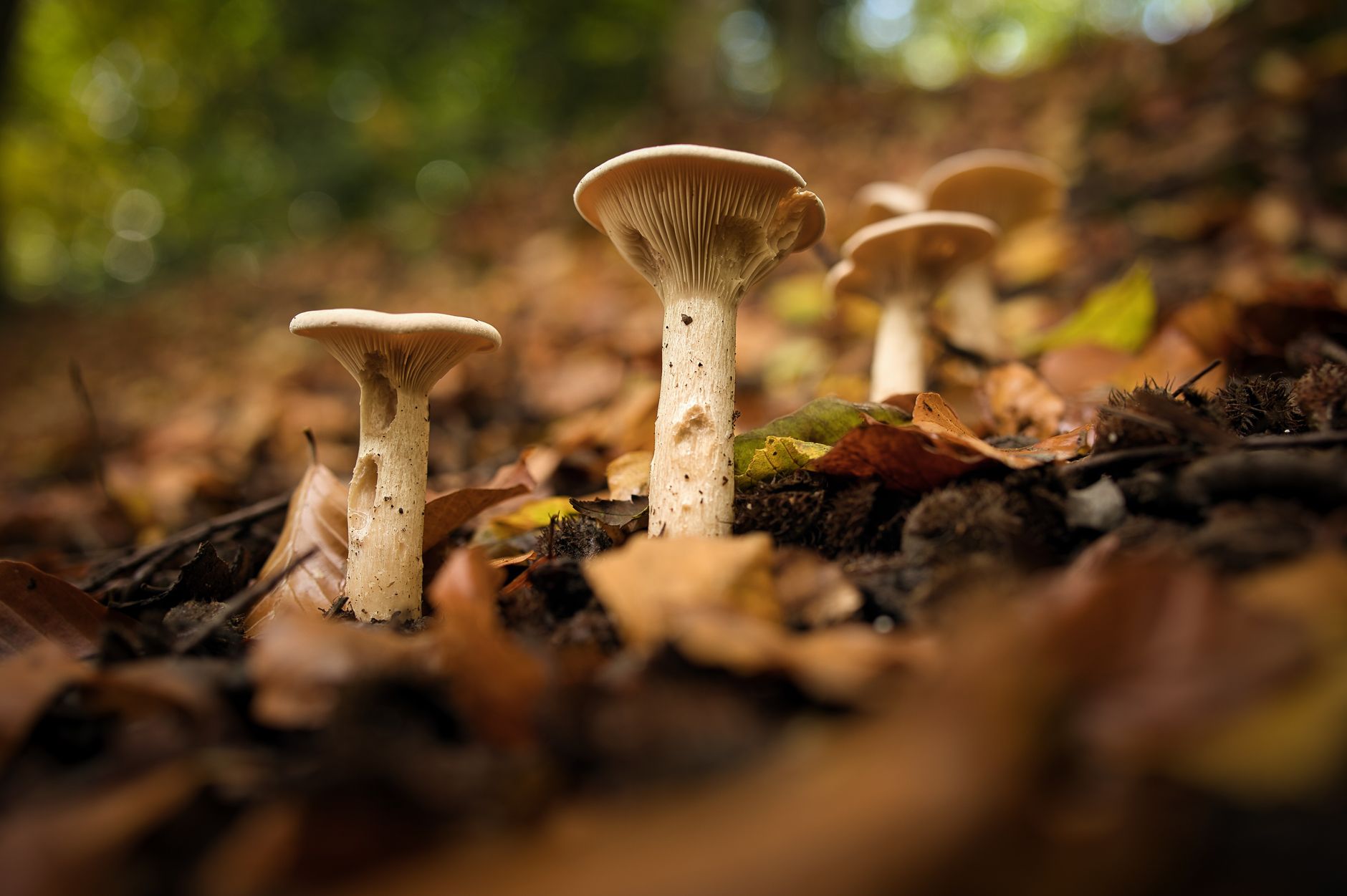
Truffles are a culinary treasure, renowned for their intense flavor and alluring aroma. Found underground in the roots of specific trees, these fungi have been coveted by chefs and food enthusiasts alike. Understanding what trees truffles grow under is fundamental for those interested in foraging, cultivating, or simply enjoying this luxurious ingredient.
This guide will uncover the types of trees associated with truffle growth, explore their ecosystems, and offer insights on how to use truffles in cooking for an unforgettable gastronomic experience.
What Trees Do Truffles Grow Under?
Truffles typically grow in symbiotic relationships with certain trees, forming associations with their roots. The most well-known truffle species primarily thrive under oak, hazelnut, beech, and pine trees.
The Key Trees for Truffle Growth
To effectively cultivate or forage for truffles, it’s essential to understand the specific types of trees that support their growth. Below are the main tree species associated with various truffles:
- Oak Trees – Different varieties of oak, including Quercus robur (English oak) and Quercus ilex (cork oak), support the growth of several truffle species, including the black truffle (Tuber melanosporum) and white truffle (Tuber magnatum).
- Hazelnut Trees – Commonly associated with the black truffle, hazelnuts (Corylus avellana) are often planted in truffle orchards due to their compatibility and ability to thrive in similar soil conditions.
- Beech Trees – Beech trees (Fagus sylvatica) can also host truffles, especially the Tuber borchii species. While not as commercially available as other types, they contribute to truffle biodiversity.
- Pine Trees – Certain species of pines, particularly black pine (Pinus nigra) and maritime pine (Pinus pinaster), have been linked to the growth of the white truffle.
Understanding Truffle Mycorrhizae
Truffles belong to a group of fungi known as mycorrhizal fungi, which form a mutually beneficial relationship with plant roots. Truffle mycorrhizae contribute to nutrient exchange between the tree and the fungus, facilitating the uptake of important minerals like phosphorus and nitrogen. This interaction is crucial for the healthy growth of both entities.
Soil Requirements for Truffles
The soil composition is another critical factor affecting truffle growth. Truffles prefer well-drained, alkaline soils with a pH between 7.5 and 8.3. Soil rich in organic matter and adequate sunlight exposure also promotes optimal growth conditions. Taking proper soil samples can help determine whether the site is suitable for truffle cultivation.
Climate Considerations
Truffles thrive in temperate climates with distinct seasons. They prefer regions with warm summers and cold winters, as this seasonal variation helps trigger their fruiting cycles. Locations in Mediterranean countries, including France and Italy, provide ideal environments for various truffle species.
Cultivating Truffles: Best Practices
For those interested in truffle cultivation, understanding the ideal conditions and practices is essential. Here are the main steps to successfully cultivate truffles:
Site Selection
Selecting the right site is paramount to cultivating truffles. Potential sites should feature:
- Alkaline soils (pH 7.5 – 8.3)
- Appropriate tree species (oak, hazelnut, beech, or pine)
- Good drainage and air circulation
- Minimal vegetation competition
Inoculation Techniques
To start a truffle orchard, you need to plant inoculated saplings—young trees that have been intentionally exposed to truffle spores. This process can take several years for the truffles to begin producing after planting.
Care and Maintenance
Cultivation requires regular maintenance, including:
- Watering, especially in dry seasons
- Fertilization to support tree growth, avoiding excess nitrogen
- Weed control to minimize competition with the trees
Harvesting Truffles
Truffle harvesting is often done in winter when truffles are ripe. Truffle dogs, trained to sniff out the earthy aroma of mature truffles, are preferred for foraging. Care should be taken not to disturb the mycelium network, ensuring future truffle production is not compromised.
Using Truffles in Cooking
Truffles are packed with umami flavors, making them a delicious addition to a variety of dishes. Here are some practical tips and suggestions for incorporating truffles into your meals:
Fresh Truffles
When using fresh truffles, consider the following:
- Storage: Keep fresh truffles in a breathable container in the refrigerator; they typically last 5-10 days.
- Cleaning: Use a soft brush to gently clean truffles with minimal moisture since they can absorb water.
- Flavor Pairs: Truffles pair beautifully with simple, high-quality ingredients, including eggs, pasta, potatoes, and cheese.
Truffle Oil and Salt
If fresh truffles are not accessible, truffle oil and truffle salt are excellent alternatives. They impart truffle flavor to dishes, though they may not deliver the same intensity as fresh truffles.
Recipe Inspiration with Truffles
Integrating truffles into your cooking is an art in itself. Below are a few ideas to inspire flavorful dishes:
Truffled Risotto
This creamy risotto takes on a luxurious flavor with the addition of truffles:
- Ingredients:
- 1 cup Arborio rice
- 4 cups vegetable or chicken broth
- ½ cup dry white wine
- 1 small onion, finely chopped
- 2 tablespoons olive oil
- Salt and pepper, to taste
- Fresh truffles, shaved thinly for garnish
- Method:
- Heat olive oil in a large pan over medium heat, and sauté the onion until soft.
- Add the Arborio rice and cook for 2-3 minutes until slightly toasted.
- Pour in the white wine and let it absorb.
- Gradually add the broth, one ladle at a time, stirring continuously until the rice is creamy and al dente.
- Season to taste and serve topped with shaved fresh truffles.
Truffle Butter
Truffle butter is a versatile compound butter that can elevate many dishes:
- Ingredients:
- 1 cup unsalted butter, softened
- 2 tablespoons truffle oil or finely minced fresh truffles
- Salt, to taste
- Method:
- In a bowl, mix softened butter with truffle oil or minced truffles.
- Add salt to taste and blend until smooth.
- Place the mixture on parchment paper, shape it into a log, and refrigerate until firm.
- Slice and use to finish steaks, pastas, or vegetables.
Common Mistakes When Using Truffles
While truffles are exquisite, there are common pitfalls to avoid:
- Using truffles in high-temperature cooking can diminish their flavor. Instead, add them towards the end of cooking or as a garnish.
- Underestimating the amount of truffles needed for a dish can leave flavors lacking. Fresh truffles should be used generously.
- Assuming all truffle oils are made equal—quality truffle oil can vary significantly and should contain real truffle essence.
Conclusion
Understanding what trees truffles grow under provides a deeper appreciation for these elusive fungi. Armed with this knowledge, you can explore truffle cultivation, embark on foraging adventures, or simply elevate your culinary creations with truffles. Whether you choose to grow your own truffles or experiment in the kitchen with this luxurious ingredient, you are on your way to enhancing your culinary repertoire.
For more delicious recipes and cooking tips, explore our guides on using truffle butter, creating exceptional risottos, and maximizing your ingredient selections to enhance your meals!