
Spaghetti squash is a versatile and nutritious vegetable that can serve as a delightful alternative to pasta. Understanding when it is ripe not only enhances your cooking experience but also ensures you reap the full benefits in flavor and texture. This guide aims to shine a light on how to choose, select, and store the perfect spaghetti squash, making it easier for you to enjoy this unique vegetable at its best.
Whether you’re preparing a cozy dinner or experimenting with new recipes, knowing when spaghetti squash is ripe is essential. We’ll delve into peak seasons, ripeness indicators, buying tips, and storage guidance to help you make the most of this delicious vegetable.
When Is Spaghetti Squash Ripe?
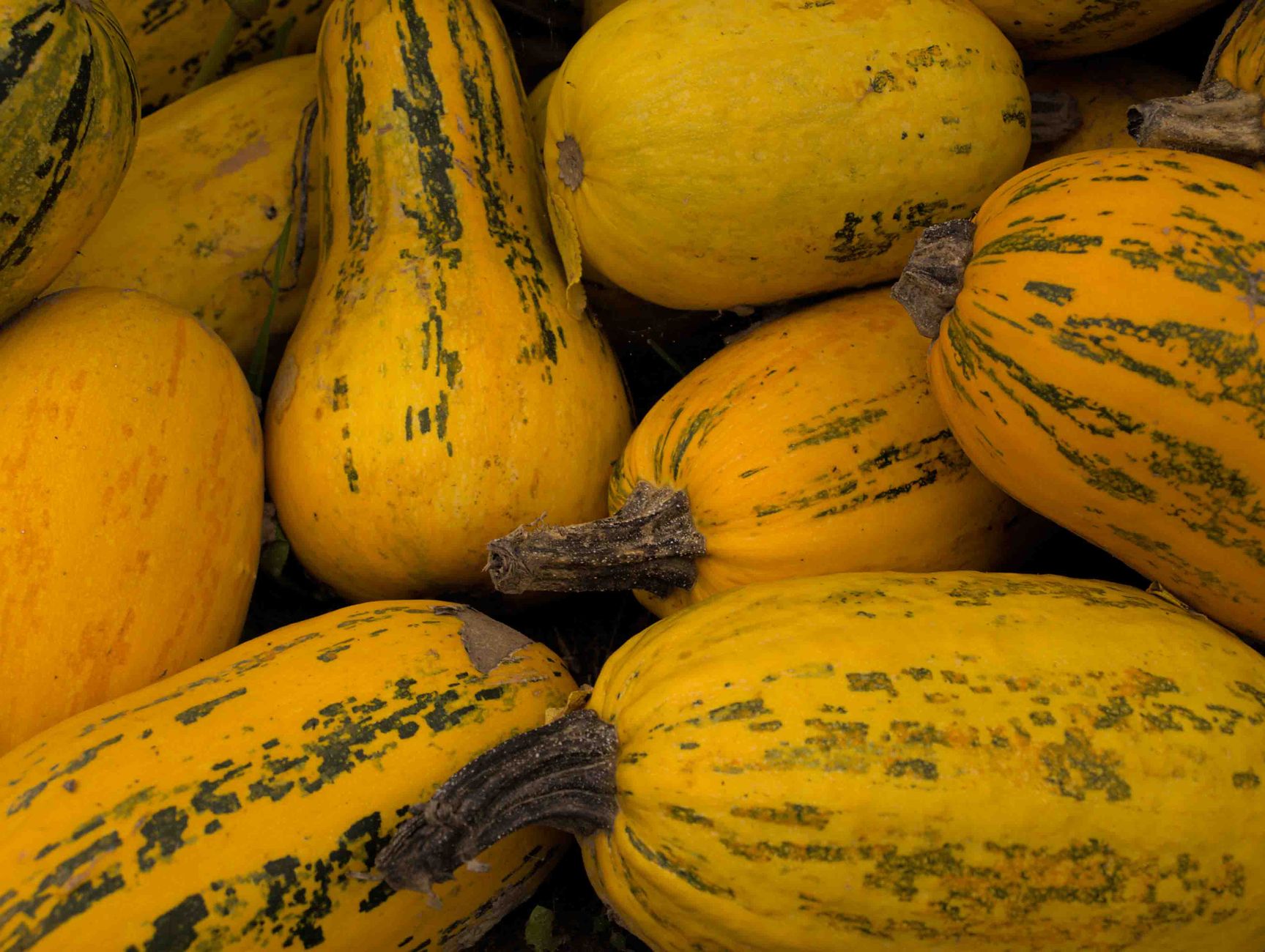
Spaghetti squash is considered ripe when it has reached full maturity, which is usually indicated by its coloration, texture, and firmness. Typically, you’ll want to look for a squash that is a deep yellow to golden color and feels sturdy when gently pressed. The best time to harvest or purchase spaghetti squash is from late summer to fall, which is its peak season.
Identifying Ripe Spaghetti Squash
Knowing how to identify a ripe spaghetti squash is crucial for ensuring that you enjoy the best flavor and texture. Here are some key indicators to look out for:
- Color: A ripe spaghetti squash will typically have a vibrant yellow or golden hue. Avoid squash that is still pale or greenish, as it is likely under-ripe.
- Skin Texture: The skin should feel hard and firm to the touch. Pressing lightly should not yield any give or softness; if it does, the squash is likely overripe.
- Size: A mature spaghetti squash usually weighs between 4 to 8 pounds, and it’s typically football-shaped. Smaller squashes may not have developed their characteristic stringiness.
- Stem Condition: The stem should be dry and hard. If it looks green or moist, it might not be fully mature.
Visual and Tactile Cues
In addition to color and texture, paying attention to visual and tactile cues can help you understand ripeness. A ripe spaghetti squash will have a uniform appearance without blemishes or soft spots. If it feels light for its size, it may be over, or under-ripe. A lack of scars and dimples on the skin is also a good sign of quality.
Peak Season for Spaghetti Squash
Understanding the season for spaghetti squash can help you choose the best specimens available. Spaghetti squash typically reaches full ripeness during the following months:
- Late Summer: August marks the beginning of the harvesting season.
- Fall: Peak ripeness occurs from September to November, making this the best time to purchase spaghetti squash.
Buying during these months ensures you find squash that has been recently harvested and is at its prime for consumption. If you’re looking to grow your own, plant the seeds in late spring to early summer for a fall harvest.
Buying Tips for Spaghetti Squash
When planning to purchase spaghetti squash, it’s best to follow a few guidelines to ensure you’re getting the freshest and ripest product:
- Choose Organic When Possible: Organic squash is usually free from pesticides and chemical fertilizers, making it a healthier choice.
- Inspect Before Buying: Always check the outside of the squash for imperfections. A smooth, blemish-free surface often indicates good quality.
- Buy Whole Squash: Pre-cut or pre-packaged squash may not be as fresh and can spoil faster.
- Ask Questions: Don’t hesitate to ask local farmers or vendors about their harvesting practices or when they received their squash.
Local Farmers’ Markets
Visiting local farmers’ markets can often yield the freshest produce, as many vendors harvest just before bringing their goods to market. You can also engage with farmers to learn more about their growing methods and the specific varieties they have available.
Storing Ripe Spaghetti Squash
Once you’ve selected a ripe spaghetti squash, proper storage is essential to maintaining its freshness and flavor. Here are some effective storage tips:
- Room Temperature: Store your whole spaghetti squash in a cool, dry place, away from direct sunlight. It can last for about a month stored this way.
- Refrigeration: After cutting, wrap the leftover portions in plastic wrap or place them in an airtight container. Refrigerated, it should last approximately 5–7 days.
- Freezing: For longer storage, cooked spaghetti squash can be frozen. Allow it to cool, then pack it into airtight containers or freezer bags, where it will keep for 3 to 6 months.
Cooking Spaghetti Squash
Cooking spaghetti squash transforms its dense flesh into spaghetti-like strands. Here are some popular cooking methods:
Baking
Baking is perhaps the most popular method for preparing spaghetti squash.
- Preheat your oven to 400°F (200°C).
- Cut the squash in half lengthwise and scoop out the seeds.
- Drizzle the cut sides with olive oil and season with salt and pepper.
- Place the halves cut-side down on a baking sheet lined with parchment paper.
- Bake for 30–40 minutes, or until the flesh is fork-tender.
- Using a fork, scrape the flesh into strands and serve as desired.
Microwave
For a quicker option, spaghetti squash can also be cooked in the microwave:
- Slice the squash in half and seed as above.
- Place the halves cut-side down in a microwave-safe dish, adding a few tablespoons of water to the dish.
- Cover with plastic wrap and microwave for 10–12 minutes, or until tender.
- Scrape the flesh into strands and enjoy.
Other Cooking Methods
While baking and microwaving are the most common techniques, spaghetti squash can also be:
- Boiled: Bring water to a boil, add cut squash, and cook until tender, about 10-15 minutes.
- Grilled: Cut into planks, brush with oil, and grill for 5-7 minutes per side.
- Slow Cooked: Place a whole spaghetti squash in a slow cooker with 1/2 cup of water and cook on low for 4-5 hours.
Common Mistakes When Cooking Spaghetti Squash
Even the best of intentions can lead to some cooking missteps. Here’s how to avoid common mistakes:
- Overcooking: Overcooked spaghetti squash becomes mushy and loses its pasta-like texture. Always check for doneness using a fork.
- Not Scraping Well: To create the characteristic spaghetti strands, be sure to scrape out all the flesh while the squash is still warm.
- Ignoring Seasoning: Spaghetti squash can be bland on its own. Be generous with your seasonings and sauces to enhance flavors.
Serving Suggestions for Spaghetti Squash
Spaghetti squash is incredibly versatile and can be served in various ways:
- With Marinara Sauce: A classic combination, spaghetti squash is excellent tossed with marinara or any sauce of your choice.
- With Pesto: Toss with homemade or store-bought pesto for a fresh, herbal flavor.
- In Casseroles: Use it as a base for baked casseroles, layered with vegetables, cheese, and proteins.
- As a Side Dish: Serve simply seasoned with olive oil, salt, and pepper, alongside grilled meats or fish.
Nutritional Benefits of Spaghetti Squash
Spaghetti squash is not only a healthy alternative to traditional pasta but is also low in calories and high in nutrients:
- Low Calorie: At only about 42 calories per cup, it makes for a great low-calorie base for countless meals.
- High Fiber: It is a good source of dietary fiber, aiding digestion and promoting satiety.
- Rich in Vitamins: Spaghetti squash contains several vitamins and minerals, including vitamin C, vitamin B6, potassium, and manganese.
Conclusion
Knowing when spaghetti squash is ripe, how to choose, buy, store, and cook it can enhance your culinary endeavors. From the taste to health contributions, ripe spaghetti squash provides a myriad of possibilities in your kitchen. Take the time to select the best squash and don’t hesitate to experiment with various flavors and preparation methods.
If you’re looking for inspiration, consider exploring our other delicious recipes like honey sesame chicken or honeynut squash. These dishes can also bring enjoyable flavors to your table.