
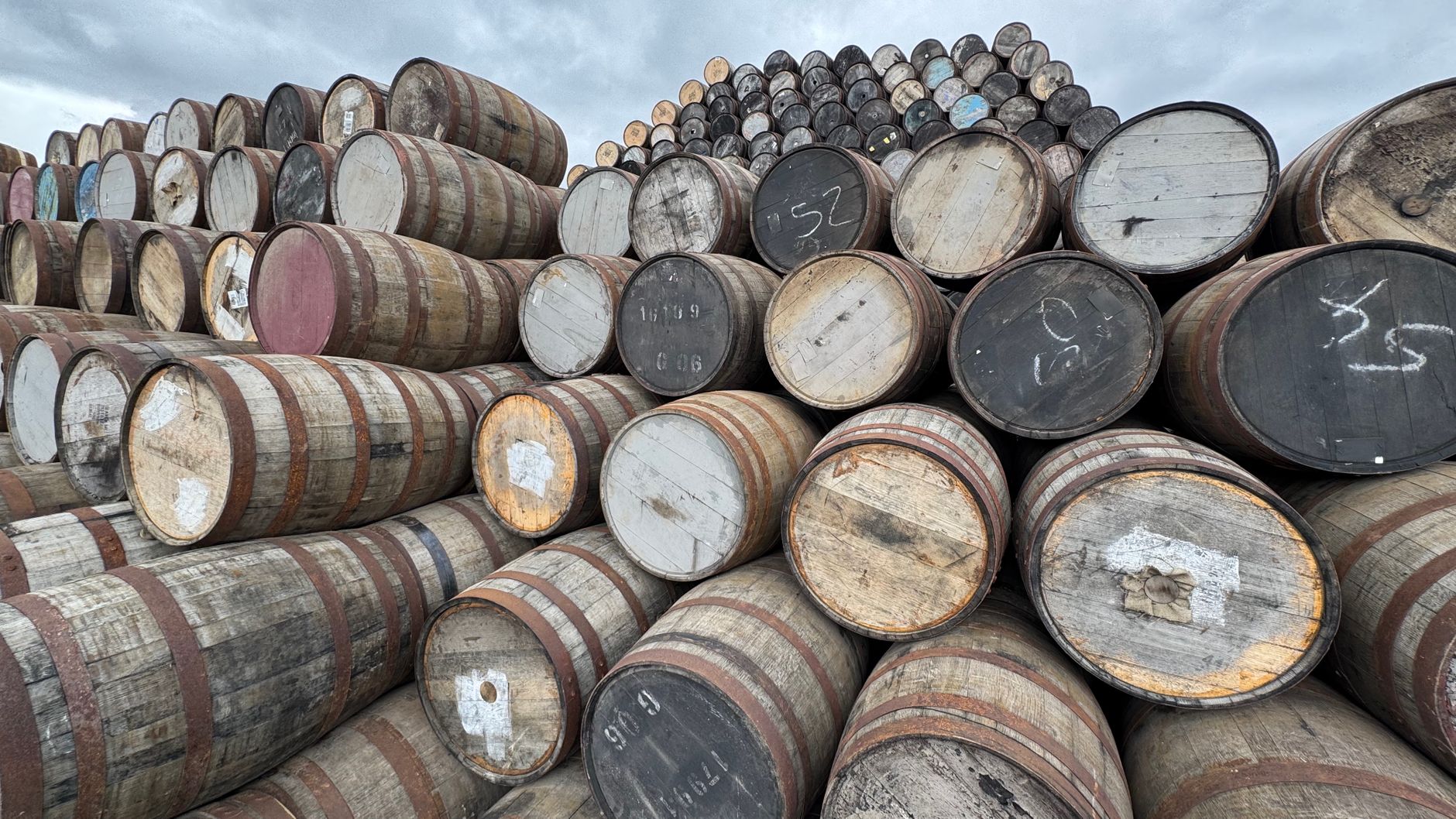
Many whisky enthusiasts often wonder about the aging process and its impact on flavor and quality. The question, “Does whisky get better with age?” invites a nuanced exploration of whisky’s maturation, the role of casks, and its relationship with savoring the spirit. This article delves into the complexities of whisky aging, offers kitchen and cocktail tips, and helps you understand how to best enjoy this revered drink.
The aging of whisky, while important, does not follow a straightforward rule. It is vital to grasp that whisky matures in the bottle differently than in the barrel. Factors like storage conditions and the quality of the original spirit play significant roles. Understanding these elements can enhance your appreciation for whisky and inform your choices in the kitchen and at the bar.
Does Whisky Get Better With Age?
Whisky does evolve and change with age, but that doesn’t necessarily mean older whisky is always better. Factors such as the type of whisky, the quality of the barrels used, and personal taste preferences significantly influence whether you might prefer younger or older expressions.
The Aging Process of Whisky
The aging process begins once whisky is distilled and placed in barrels to mature. During maturation, several chemical reactions occur that affect the whisky’s flavor and aroma. This process typically lasts anywhere from a minimum of three years to several decades. Here’s how aging impacts whisky:
- Evaporation: Known as the “angel’s share,” some whisky evaporates during the aging process, concentrating flavors.
- Wood Interaction: The whisky extracts flavors from the wooden cask, contributing sweet, vanilla notes from oak or earthy tones from sherry casks.
- Oxidation: Exposure to oxygen softens harsh spirits and may add complexity.
- Temperature Fluctuations: Changes in temperature allow the whisky to expand and contract within the barrel, enhancing interaction with the wood.
Factors Influencing Whisky Aging
Quality barrels, environmental conditions, and distillation techniques each play a role in how a whisky develops over time.
Barrel Quality
The type of wood used and its previous contents significantly affect the whisky’s flavor profile. For example, ex-bourbon barrels often impart sweet notes of vanilla and caramel, while sherry casks add richer, fruitier characteristics. Each barrel’s history gives the whisky unique nuances.
Environmental Conditions
Whiskies aged in warmer climates generally mature faster due to higher temperatures, while cooler regions may lead to slower aging. Humidity levels can also impact the whisky’s evaporation rates, affecting taste concentration.
Distillation Techniques
How the spirit is distilled also influences its aging. Traditional pot stills may produce a heavier spirit, while column stills create lighter, more delicate whiskies. These differences affect how the whisky interacts with the wood during aging.
Do Older Whiskies Always Taste Better?
The relationship between age and taste is not linear. Here’s why:
- Over-Aging: Whiskies that age too long can become overly woody, losing their inherent character. Balance is essential.
- Personal Preference: Some may prefer the vibrant, youthful flavors of a five- or ten-year-old whisky, whereas others enjoy the complexity of a twenty-year-old spirit.
- Batch Variability: Different batches from the same distillery can differ widely in flavor, regardless of age.
Types of Whisky and Aging
Different types of whisky have unique aging characteristics:
Scotch Whisky
Traditionally aged for a minimum of three years, Scotch can develop complex flavors ranging from smoky and peaty to floral and fruity. Single malts often benefit from longer aging, particularly if stored in quality casks.
Bourbon
In the United States, bourbon typically matures for around four years, but quality can be achieved in shorter aging if the cask and conditions are optimal. The heavy char of bourbon barrels imparts robust flavor quickly, making older bourbon less essential for complexity.
Irish Whiskey
Irish whiskey is often triple distilled, resulting in a smoother spirit. This smoothness can be preserved even when it’s younger, meaning that age may matter less compared to other whisky types.
Whisky Tasting Notes
Tasting whisky involves appreciating various sensory components, including aroma, flavor, mouthfeel, and finish. Here’s how to assess these elements:
Aroma
A few drops of water can enhance aromas. Swirl the glass gently, allowing oxygen to mingle with the whisky, and inhale deeply. Common notes include:
- Fruity (apple, pear, dried fruit)
- Spicy (cinnamon, pepper)
- Woody (oak, cedar)
- Sweet (vanilla, caramel)
Flavor
Take a small sip and let it coat your palate. Describe the taste components, noting whether they align with your aroma impressions. Consider:
- Balance: How flavors harmonize or clash.
- Intensity: The strength of primary flavors.
- Finish: The lingering taste after swallowing and its evolution.
Whisky in the Kitchen
Whisky isn’t just for sipping. It can enhance your culinary creations too. Here are some practical uses:
In Sauces and Marinades
Whisky can add depth to various sauces and marinades. Try incorporating it into:
- Glazes: Whisky mixed with honey, soy sauce, or fruit juices makes a rich glaze for meats.
- BBQ Sauces: A splash of whisky can enhance traditional BBQ sauces, adding complexity and sweetness.
- Marinades: Whisk alongside ginger, garlic, and olive oil for a flavorful marinade.
In Baking
Incorporate whisky into baked goods for a unique twist:
- Cakes: Drizzle whisky over cakes for added moisture or incorporate into the batter.
- Cookies: A touch of whisky can elevate flavors in chocolate chip or pecan cookies.
In Cocktails
Whisky is incredibly versatile in cocktails. Here are a couple of classic recipes:
Whiskey Sour
This classic cocktail blends the smoothness of whisky with tart citrus.
- 2 ounces whisky
- 3/4 ounce fresh lemon juice
- 1/2 ounce simple syrup
- Ice
- Combine all ingredients in a shaker with ice.
- Shake vigorously for 15 seconds.
- Strain into a rocks glass filled with ice.
- Garnish with a lemon slice or cherry.
Bourbon Slush
A refreshing slush that is perfect for warm days.
- 1 cup bourbon
- 1 cup lemonade
- 1 cup iced tea
- Ice
- Mix all ingredients in a blender until smooth.
- Pour into glasses and serve immediately.
- Garnish with mint leaves for a refreshing touch.
Common Mistakes in Whisky Tasting and Usage
Here are some common pitfalls to avoid when tasting or using whisky:
- Adding Too Much Water: While a little water can enhance flavors, too much may dilute them.
- Serving at the Wrong Temperature: Whisky is best enjoyed at room temperature; chilling can mask its flavors.
- Incorrect Glassware: The glassware can impact the tasting experience. Choose a tulip-shaped glass for better aroma capture.
Storing Whisky for Optimal Aging
Proper storage of whisky can preserve its quality and even prolong its shelf life:
- Keep it Upright: Unlike wine, whisky should be stored vertically to prevent cork damage.
- Avoid Direct Sunlight: Store in a dark place to protect from light that can degrade flavor.
- Temperature Control: Maintain a consistent temperature, ideally around 15-20°C (59-68°F).
Conclusion
In summary, whisky does change and develop as it ages, offering a range of flavors influenced by various factors. However, older whisky is not inherently better than younger expressions. Understanding the nuances of aging and the different types of whisky can enhance your appreciation and enjoyment. Additionally, whisky’s versatility in the kitchen opens up new possibilities for culinary creativity.
Next time you enjoy a dram, consider exploring its role in your cooking or trying new cocktail recipes. Delve deeper into related recipes and techniques, such as a whiskey sour recipe or a refreshing bourbon slush.