
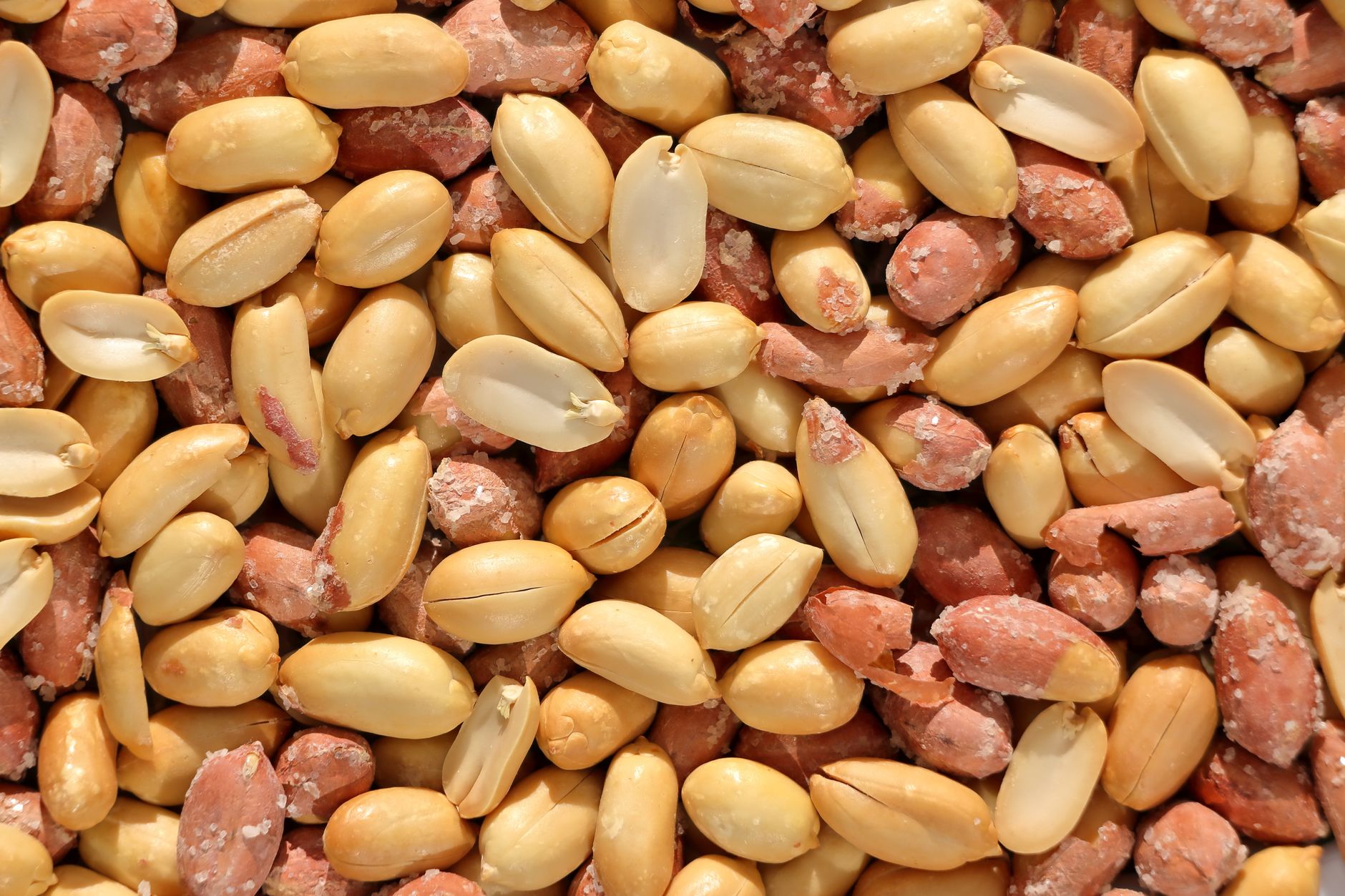
Blanched peanuts are versatile and delicious nuts that have undergone a simple process to enhance their flavor and texture. They are commonly used in various culinary applications, from snacks to sauces, and offer a distinctive taste that can elevate your dishes. Understanding what blanched peanuts are, how they differ from raw peanuts, and their diverse uses can help you maximize their potential in your cooking.
This article will explore the definition of blanched peanuts, their unique attributes, culinary uses, and tips for incorporating them into your kitchen staples. Whether you’re a seasoned cook or a novice in the kitchen, knowing about blanched peanuts can add a new dimension to your culinary creations.
What Are Blanched Peanuts?
Blanched peanuts are raw peanuts that have had their skins removed through a brief boiling process, followed by immediate cooling. This method not only helps to remove the papery skin but also enhances the flavor and texture of the peanuts, making them more palatable and versatile in recipes.
Unlike roasted peanuts, which undergo a heating process that enhances their nuttiness and flavor profile, blanched peanuts retain a lighter, fresher taste. Their smooth, light texture makes them especially suitable for creating creamy peanut butter, snacks, and various culinary creations.
Flavor and Texture of Blanched Peanuts
The flavor of blanched peanuts is subtly nutty with a mild sweetness, primarily due to the removal of their skins, which can have a slightly bitter taste. This quality makes blanched peanuts a perfect base for flavor combinations, allowing them to blend seamlessly into a variety of dishes.
In terms of texture, blanched peanuts are smooth and creamy, lacking the crunchiness associated with roasted peanuts. This makes them an excellent choice for purees, sauces, and as ingredients in baked goods or confections.
Culinary Uses for Blanched Peanuts
Blanched peanuts are incredibly versatile, finding their way into many recipes spanning different cuisines. Here are several common ways to use them in your kitchen:
- Peanut Butter: The smooth and creamy texture of blanched peanuts makes them ideal for homemade peanut butter. Simply blend the peanuts in a food processor until they reach a smooth consistency, adding a pinch of salt or sweeteners as desired.
- Baking: Add blanched peanuts to cookies, brownies, and cakes for a delightful crunch and nutty flavor. They can also be ground into flour for gluten-free baking alternatives.
- Snacking: Blanched peanuts can be seasoned and roasted for a healthy snack option. Toss them with spices, sweeteners, or even chocolate for a quick treat.
- Cuisine: In many Asian dishes, blanched peanuts are used as a topping or ingredient. For example, they are often found in sauces for stir-fries or as a garnish on noodle dishes.
- Granola and Trail Mix: Incorporate blanched peanuts into homemade granola or trail mixes for added nutrition and flavor.
How to Choose Blanched Peanuts
When selecting blanched peanuts, consider the following factors for the best quality:
- Freshness: Look for blanched peanuts that are not past their expiration date and are stored in a cool, dry place.
- Appearance: Choose peanuts that are creamy and uniform in color, without dark spots or blemishes.
- Taste: If possible, taste a sample to ensure the peanuts have a fresh, pleasant flavor without any rancid notes.
How to Store Blanched Peanuts
Storing blanched peanuts properly will help maintain their freshness and flavor. Follow these guidelines for storage:
- Airtight Container: Store blanched peanuts in an airtight container to protect them from moisture and air exposure.
- Refrigeration: For longer shelf life, consider refrigerating or freezing the peanuts, which can help maintain their quality for several months.
- Check for Odor: Regularly inspect the peanuts for off odors, which can indicate spoilage.
Common Mistakes When Using Blanched Peanuts
Here are some common mistakes to avoid when working with blanched peanuts:
- Not Checking Freshness: Always check the expiry date and look for signs of spoilage before using your blanched peanuts.
- Skimping on Flavor: Don’t hesitate to season them when roasting or blending; blanched peanuts have a mild flavor that benefits from added spices or sweeteners.
- Improper Storage: Failing to store blanched peanuts correctly can lead to rancidity. Use airtight containers for the best results.
Recipes Featuring Blanched Peanuts
Blanched peanuts can be incorporated into various delightful recipes. Below are a few ideas to inspire your culinary experiments.
Homemade Peanut Butter
This simple recipe allows you to create creamy peanut butter in minutes.
- Servings: 2 cups
- Preparation Time: 10 minutes
- Total Time: 10 minutes
Ingredients:
- 2 cups blanched peanuts
- 1-2 tablespoons honey or sugar (optional)
- 1 teaspoon salt (optional)
Essential Equipment:
- Food processor
- Spatula
- Airtight container for storage
Method:
- Place blanched peanuts in the food processor.
- Process on high speed until the peanuts start breaking down into a creamy paste. This may take several minutes.
- Add honey or sugar and salt if desired, then continue processing until fully smooth.
- Transfer the peanut butter into an airtight container and store in the refrigerator.
Blanched Peanut Cookie Recipe
Enjoy these delicious peanut cookies as a sweet snack or dessert.
- Servings: 24 cookies
- Preparation Time: 15 minutes
- Cooking Time: 12 minutes
- Total Time: 27 minutes
Ingredients:
- 1 cup blanched peanut butter
- 1 cup sugar
- 1 large egg
- 1 teaspoon vanilla extract
- 1 teaspoon baking soda
Essential Equipment:
- Baking sheet
- Parchment paper
- Mixing bowl
- Whisk
Method:
- Preheat the oven to 350°F (175°C) and line a baking sheet with parchment paper.
- In a mixing bowl, combine blanched peanut butter, sugar, egg, vanilla extract, and baking soda. Mix until smooth.
- Drop tablespoon-sized portions onto the prepared baking sheet, spacing them about 2 inches apart.
- Bake for 10-12 minutes or until the edges are golden. Let them cool on the baking sheet for a few minutes before transferring to a wire rack.
Alternatives to Blanched Peanuts
If you don’t have blanched peanuts on hand, here are some alternatives to consider:
- Raw Peanuts: You may use raw peanuts, but you will need to remove the skins manually.
- Roasted Peanuts: Roasted peanuts can provide a different flavor profile, though the texture will be crunchier.
- Other Nuts: Depending on the recipe, you can substitute blanched peanuts with almonds, cashews, or hazelnuts, bearing in mind that their flavors will differ.
Blanched Peanuts in International Cuisines
Blanched peanuts are widely used in various international dishes, showcasing their global culinary significance:
- Thai Cuisine: Blanched peanuts are often used in Thai peanut sauce, which pairs well with grilled meats and noodle dishes.
- Indian Cuisine: In Indian cooking, blanched peanuts are a common ingredient in sweet and savory snacks like peanut chutney or ladoos.
- African Cuisine: Blanched peanuts are frequently found in stews and sauces, adding richness and texture to the dish.
Conclusion
Blanched peanuts are a versatile ingredient that can enhance the taste and texture of a variety of dishes. They serve as an excellent base for peanut butter, baking items, and even as a crunchy topping for numerous recipes. By understanding their qualities and culinary uses, you can easily incorporate them into your meals to add a delightful nutty flavor.
To get started with blanched peanuts, consider trying your hand at homemade peanut butter or experimenting with cookies that highlight their smooth texture. Discover more recipes such as boiled peanuts or indulge in a rich peanut butter fudge treat for something sweet. Enjoy exploring the culinary world of blanched peanuts!