
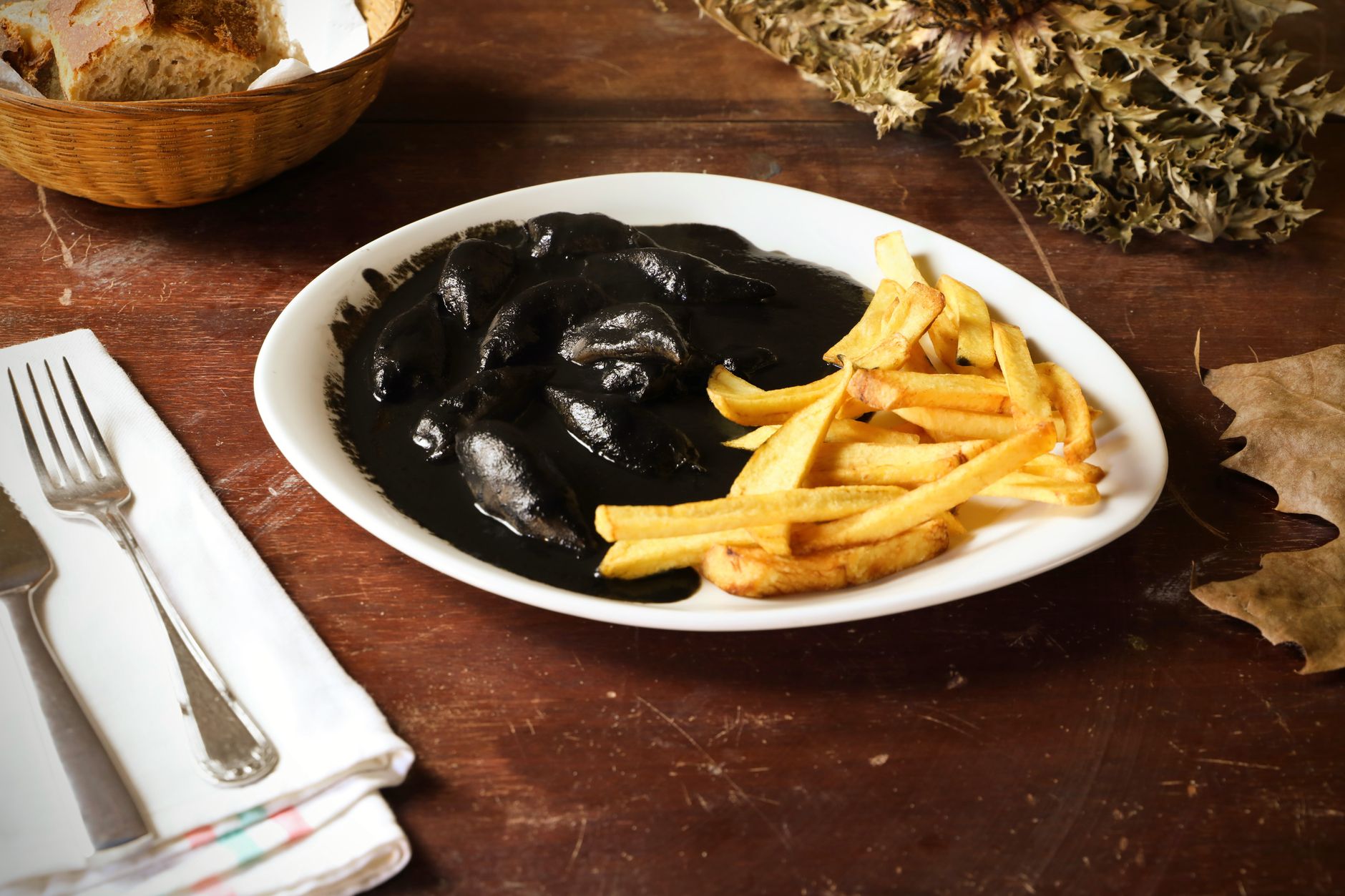
Cuttlefish, a member of the cephalopod family, is a fascinating seafood option that often sparks curiosity among food lovers. It’s a versatile ingredient commonly used in various cuisines around the world, prized for its tender texture and rich, briny flavor. If you’re wondering whether you can eat cuttlefish, the answer is a resounding yes!
This article will explore the characteristics of cuttlefish, its culinary uses, nutritional benefits, preparation techniques, and serving ideas. Whether you’re considering it for a special occasion or trying to incorporate more seafood into your diet, you’ll find everything you need to enjoy this unique delicacy.
Can You Eat Cuttlefish?
Yes, cuttlefish is indeed edible and is enjoyed in many cultures for its distinct flavor and versatility in cooking. Its meat is firm yet tender and can be prepared in various ways, including grilling, frying, and in soups or stews.
Understanding Cuttlefish
Cuttlefish are marine animals closely related to squids and octopuses. They are known for their unique internal shell, called the cuttlebone, which helps with buoyancy. Cuttlefish have a soft body and come in several species, with the common cuttlefish being one of the most widely consumed.
Flavor and Texture
The flavor of cuttlefish is often described as mildly sweet and briny, with a slightly nutty undertone. Its texture is tender when correctly cooked, but overcooking can result in it becoming tough and chewy, much like other seafood. Proper handling and cooking techniques are essential to enjoying the best that cuttlefish has to offer.
Nutritional Benefits
Cuttlefish is packed with nutrients, making it a healthy seafood choice. It’s low in calories yet rich in protein, vitamins, and minerals. Here are some key nutritional facts:
- High in protein: Cuttlefish is an excellent source of protein, providing essential amino acids.
- Rich in vitamins: It contains several vitamins, including B vitamins, which are vital for energy metabolism.
- Mineral content: Cuttlefish is also a source of minerals like phosphorus, zinc, and selenium, contributing to overall health.
- Low in fat: Cuttlefish is low in fat, making it a heart-friendly option.
Culinary Uses of Cuttlefish
Cuttlefish can be prepared in numerous ways and is a staple in various cuisines, especially in Mediterranean and Asian dishes. Here are some common culinary uses:
Grilling and Frying
Grilling or frying cuttlefish brings out its natural sweetness. When cooked properly, it develops a slightly crispy exterior while remaining tender inside. Here’s how to prepare it:
- Clean the cuttlefish by removing the innards and rinsing under cold water.
- Marinate the cleaned cuttlefish in olive oil, lemon juice, garlic, and herbs for about 30 minutes.
- Preheat the grill or frying pan to high heat.
- Cook the cuttlefish for 2-3 minutes on each side or until opaque and cooked through.
In Soups and Stews
Cuttlefish can add rich flavor to soups and stews, especially in Asian cuisine. It works well in dishes like miso soup or as part of a seafood stew. Here’s a simple method:
- Start by sautéing garlic and onion in a pot until translucent.
- Add diced tomatoes, broth, and spices of your choice.
- Incorporate cleaned cuttlefish and simmer for 10-15 minutes until the cuttlefish is tender.
In Salads and Cold Dishes
For a refreshing dish, cuttlefish can also be served as part of a salad. Its tender texture pairs beautifully with fresh vegetables and citrus dressings. To create a cuttlefish salad:
- Boil the cleaned cuttlefish for about 2-3 minutes until tender.
- Slice into thin rings and allow it to cool.
- Toss with mixed greens, avocado, cherry tomatoes, and a vinaigrette dressing.
How to Prepare Cuttlefish
Preparation is key to ensuring that you enjoy cuttlefish in the best possible way. Here’s a step-by-step guide to preparing cuttlefish for your meals:
Cleaning Cuttlefish
Cleaning cuttlefish might seem challenging, but it’s straightforward with practice. Here’s how to do it:
- Hold the cuttlefish firmly and pull out the head and tentacles from the body. Be careful not to burst the ink sac as it might stain.
- Remove the slimy membrane by gently pulling it away from the body.
- Take out the innards, including the cuttlebone, which is the hard internal shell.
- Rinse the body, tentacles, and head under cold water.
Cooking Tips
Cuttlefish can be easy to overcook, leading to a rubbery texture. Here are several tips to ensure your cuttlefish remains tender:
- Cook quickly: Use high heat for a short time to prevent it from becoming tough.
- Don’t over-marinate: While marinating adds flavor, too long can lead to textural issues.
- Tenderizing: Consider using a meat mallet to gently pound cuttlefish before cooking to break down the fibers.
Serving Ideas for Cuttlefish
Cuttlefish can be served in various creative ways, allowing for plenty of culinary experimentation. Here are a few serving suggestions:
As Appetizers
Slice grilled cuttlefish into smaller pieces and serve with dipping sauces like aioli or soy sauce for a delicious appetizer. You may also serve it on skewers with vegetables for fun and easy finger food.
Paired with Sides
Cuttlefish pairs well with a variety of sides. Consider serving it alongside:
- Garlic steamed vegetables
- Pasta with garlic oil and herbs
- Cilantro lime rice
In International Dishes
Explore international cuisines that utilize cuttlefish, such as:
- Italian cuttlefish risotto
- Spanish cuttlefish tapas
- Japanese sushi rolls featuring cooked cuttlefish
Common Mistakes When Cooking Cuttlefish
As you experiment with cooking cuttlefish, be aware of these common pitfalls:
Overcooking
As mentioned earlier, overcooking cuttlefish leads to a tough texture. Always opt for quick cooking methods.
Improper Cleaning
Not cleaning cuttlefish correctly can result in an off-putting taste. Ensure all innards and membranes are fully removed before cooking.
Ignoring Freshness
Cuttlefish should always be fresh. When buying, look for moist and shiny flesh. Avoid cuttlefish with an overly strong fishy smell.
Storage and Reheating Guidelines
If you find yourself with leftover cuttlefish, proper storage is essential:
Storage
To store cooked cuttlefish, place it in an airtight container in the refrigerator. It typically lasts for up to 2 days. Raw cuttlefish should be kept in a cool, airtight environment and should be consumed quickly, generally within a day of purchase.
Reheating
When reheating cuttlefish, do so gently. Use low heat in a pan or briefly in the microwave. Be cautious not to overheat, as this will result in toughness. Reheating in a broth or sauce is an excellent way to keep it moist.
Conclusion
Cuttlefish is a delicious and versatile seafood option that can bring unique flavors to your culinary repertoire. With its rich taste and myriad of cooking methods, it’s a fantastic ingredient for various dishes. Whether you choose to grill, sauté, or incorporate it into a hearty salad, cuttlefish is worth exploring in your kitchen.
Ready to dive into cuttlefish cooking? Take the next step and experiment with grilled cuttlefish skewers, a seafood stew, or a refreshing cuttlefish salad to appreciate this delightful ingredient further.
Explore more culinary adventures or find interesting cooking tips to enhance your kitchen skills.