
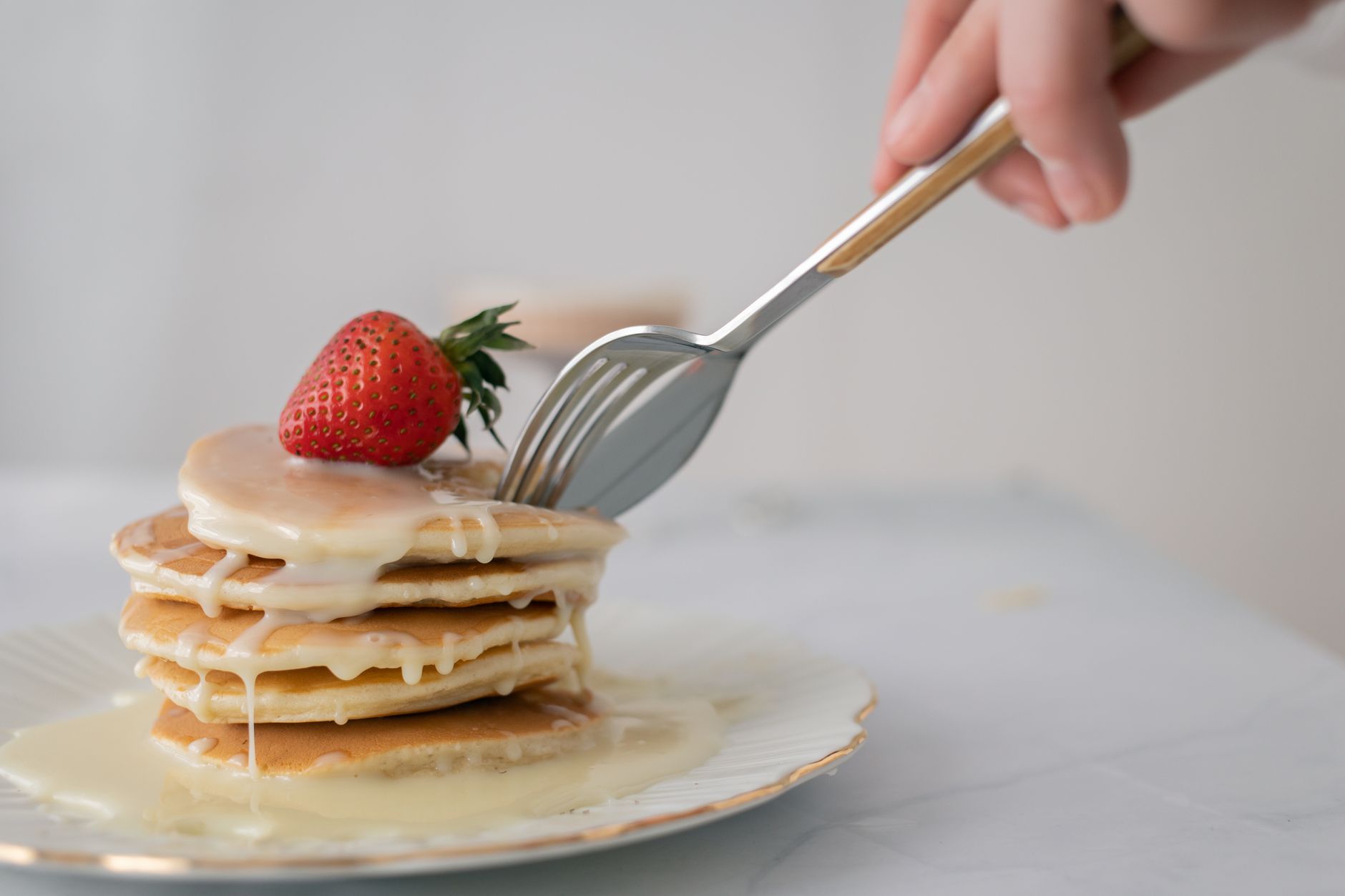
Maple syrup is a beloved natural sweetener that many people reach for to enhance their breakfast favorites like pancakes, waffles, and oatmeal. However, there’s often confusion surrounding whether maple syrup qualifies as added sugar. This article will clarify this topic while exploring uses, benefits, and alternatives to maple syrup in your culinary adventures.
Understanding the nature of maple syrup is crucial for those looking to manage their sugar intake or searching for healthier options. In this guide, we break down what maple syrup is, how it differs from refined sugars, and offer insights on how to use it in your kitchen.
Is Maple Syrup Added Sugar?
No, pure maple syrup is not classified as added sugar; it is a natural sweetener derived from the sap of sugar maple trees. Unlike regular added sugars, which are often processed and refined, genuine maple syrup undergoes minimal processing, preserving its natural flavor and beneficial nutrients.
When maple syrup is boiled down, it retains certain minerals like manganese, zinc, and calcium, differentiating it from many sweeteners which provide empty calories.
Understanding Added Sugars
Added sugars refer to sugars that manufacturers include in food products during processing. This category includes table sugar (sucrose), high-fructose corn syrup, and other sweeteners that enhance flavor and shelf-life. They contribute to calories but often lack essential nutrients.
In contrast, maple syrup, particularly in its pure form, delivers some vitamins and minerals along with its sweetness. However, it is still high in sugar, so moderation is key.
How Maple Syrup is Made
The process of making maple syrup is fascinating and deeply rooted in North American tradition. Here’s a brief overview of how it comes to be:
- Tapping Maple Trees: In late winter or early spring, sugar maple trees are tapped using spouts to extract sap.
- Collecting Sap: Sap is collected, typically into buckets or through tubing systems, and usually has a water content of about 98%.
- Boiling Down: The collected sap is then boiled to evaporate the water content, concentrated into syrup. This process can take about 40 gallons of sap to produce one gallon of syrup.
- Filtering and Bottling: Finally, the syrup is filtered to remove impurities and bottled for sale.
Types of Maple Syrup
Maple syrup is categorized based on color and flavor, which change throughout the season as sap is gathered:
- Golden Color, Delicate Flavor: Usually harvested first, this syrup has a light sweetness.
- Amber Color, Rich Flavor: This is the most popular variety with a more robust flavor.
- Dark Color, Strong Flavor: It generally has an intense taste and is often used for cooking and baking.
- Very Dark Color, Extra Strong Flavor: This syrup is harvested late in the season and has a sharp, potent flavor, ideal for recipes or as a marinade.
Culinary Uses of Maple Syrup
Maple syrup is extremely versatile in the kitchen, adding a distinct flavor and sweetness to various dishes. Here are some practical uses:
- Breakfast Dishes: The most common use is drizzling it over pancakes and waffles. It can also be added to oatmeal and smoothies for a touch of natural sweetness.
- Baking: Substitute sugar with maple syrup in baking recipes. Keep in mind that you’ll need to reduce liquid elsewhere in the recipe since syrup is liquid.
- Marinades and Glazes: Combine with soy sauce, mustard, or other spices to create flavorful marinades for meats.
- Desserts: Use it as a sweetener in pies, cookies, or cakes, or drizzle over ice cream for a luxurious touch.
- Dressings: Maple syrup can add a refreshing sweetness to salad dressings when mixed with vinegar and oil.
Substituting Maple Syrup in Recipes
When substituting maple syrup for other sugars in your recipes, here are some important considerations:
- Sugar to Maple Syrup: Use 3/4 cup of maple syrup for every 1 cup of sugar, and reduce other liquids in the recipe by about 3 tablespoons to maintain balance.
- Honey: Equal ratios can typically replace honey with maple syrup and vice versa, although honey adds a floral note absent in maple syrup.
- Agave Nectar: Agave is sweeter than maple syrup, so you may need to decrease the quantity by about one-third when substituting.
Common Mistakes When Using Maple Syrup
While using maple syrup in your cooking and baking can be delicious, there are some pitfalls to avoid:
- Not Adjusting Liquid Ratios: Failing to reduce other liquids when substituting maple syrup for granulated sugar can lead to overly wet mixtures.
- Using Imitation Syrup: Imitation maple syrup often contains various sugars and artificial flavors, which lack the nutrients of pure maple syrup.
- Incorrectly Storing Syrup: Maple syrup should be stored in a cool, dark place. Once opened, refrigerate it to prevent spoilage.
Healthier Sweetening Options
For those looking to reduce sugar intake, pure maple syrup can be a better alternative to refined sugars, but it still should be consumed in moderation. Some alternatives to consider include:
- Stevia: A non-caloric sweetener that can be used in drinks and desserts without adding sugar.
- Coconut Sugar: Less processed than white sugar and retains some nutrients; it has a lower glycemic index.
- Fruit Purees: Unsweetened applesauce or mashed bananas can replace some sweeteners in baking.
Storing Maple Syrup
Proper storage of maple syrup will ensure it retains its quality:
- Unopened bottles: Store in a cool, dark place such as a pantry.
- Opened bottles: It’s best to refrigerate to avoid spoilage, and ideally consume within six months for the best flavor.
- Freezing: Maple syrup can be frozen in freezer-safe containers, where it will maintain its quality indefinitely.
The Nutritional Aspects of Maple Syrup
While maple syrup does contain sugars—primarily sucrose—it also provides some beneficial nutrients. One tablespoon of pure maple syrup contains approximately:
- 50 calories
- 12 grams of carbohydrates
- 0 grams of fat and protein
- Vitamins and minerals such as manganese and zinc
While maple syrup is more nutrient-dense compared to refined sugar, it is advisable to keep portions small to manage overall sugar consumption.
Regional Uses and Popularity of Maple Syrup
Maple syrup is particularly popular in Canada and the northeastern United States, known for their sugar maple trees. Traditional dishes in this region highlight syrup’s versatility:
- Poutine: A popular Canadian dish where fresh curds and gravy are enhanced with a drizzle of maple syrup.
- Maple Mustard Glaze: A regional favorite for meats that combines maple syrup with mustard for a sweet-savory profile.
- Maple Candies: Made by pouring hot syrup into molds and allowing it to cool.
Exploring Maple Syrup Beyond Sweetening
Aside from its use as a sweetener, maple syrup can be incorporated into innovative culinary practices. Here are some ways to extend its utility:
- Cocktails: Use maple syrup as an ingredient in cocktails to add depth and complexity. It pairs well with bourbon and whiskey.
- Barbecue Sauce: Maple syrup can serve as a base for homemade barbecue sauces, adding richness and a hint of sweetness.
- Infused Maple Syrup: Consider infusing maple syrup with herbs such as rosemary or thyme for unique flavor profiles that compliment cheeses and meats.
Conclusion
Maple syrup, while high in sugar, is a natural sweetener that offers a delightful flavor and some nutritional benefits compared to refined sugars. Understanding its uses, storage, and how to substitute it in recipes will allow you to enjoy this ingredient with mindfulness. Use it creatively in your cooking and baking endeavors for a touch of natural sweetness.
Explore related recipes and cooking tips to enhance your culinary skills further: check out the homemade maple syrup recipe or discover how to make brown sugar syrup for additional sweetness alternatives.