
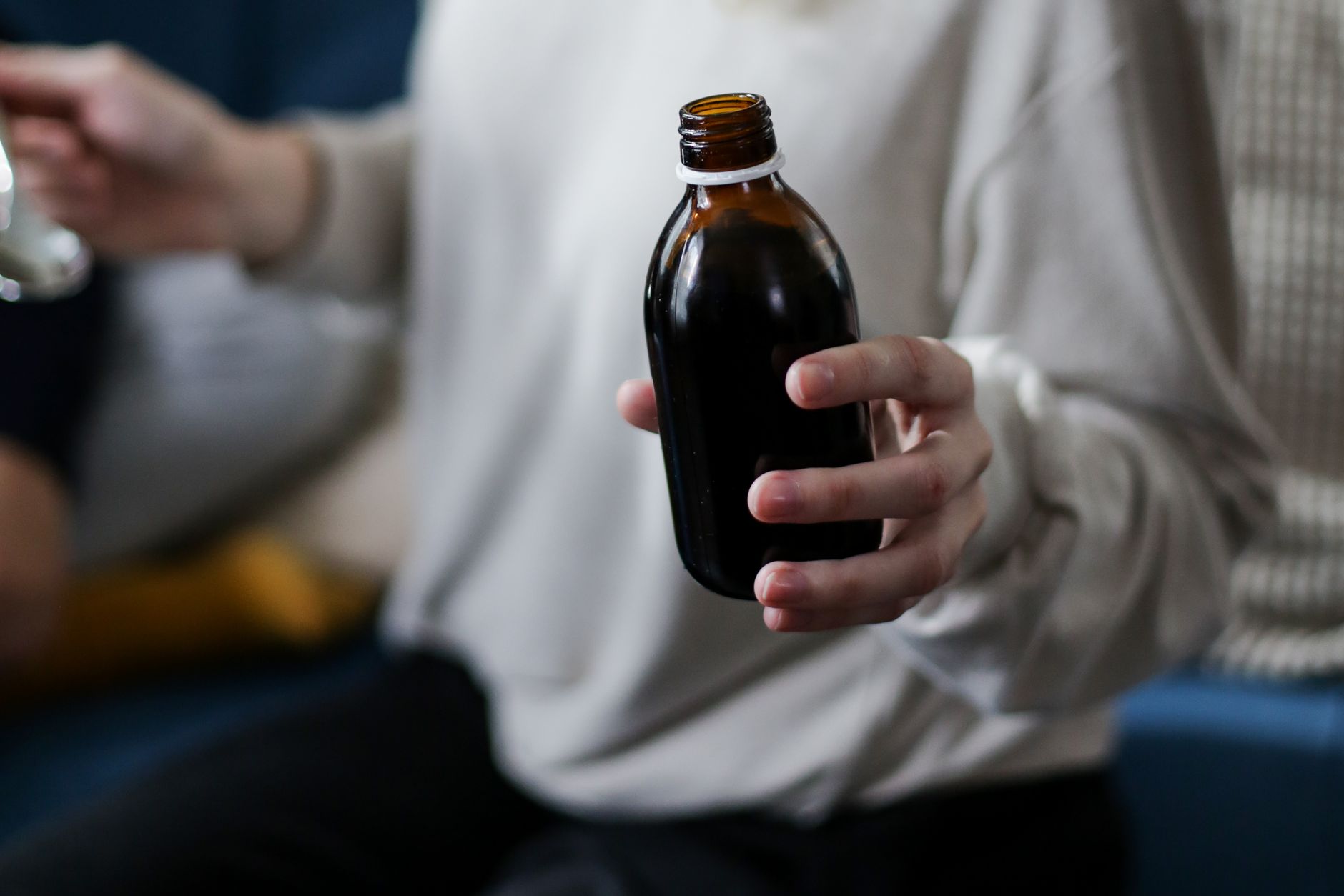
Elderberry syrup is a popular natural remedy often praised for its potential health benefits. Made from the berries of the elder tree, it has gained widespread popularity, particularly during cold and flu season. But if you’ve ever purchased or made elderberry syrup, you may wonder: does elderberry syrup go bad?
Understanding the shelf life of elderberry syrup and how to store it properly can help you make the most of this flavorful concoction. In this article, we will cover how long elderberry syrup lasts, signs of spoilage, proper storage techniques, and ways to maximize its longevity.
Does Elderberry Syrup Go Bad?
Yes, elderberry syrup can go bad, especially if it is not stored properly. Like many natural products, its shelf life is dependent on various factors such as ingredients, storage conditions, and whether or not it has been opened. Generally, homemade elderberry syrup has a shorter shelf life compared to commercially produced versions because it often lacks preservatives.
On average, elderberry syrup can last for about 6 months to a year when stored correctly. However, it is advisable to check for signs of spoilage regularly to ensure it’s still safe to consume.
The Shelf Life of Elderberry Syrup
Homemade Elderberry Syrup
Homemade elderberry syrup typically lasts about 1 to 3 months in the refrigerator if stored in an airtight container. Some home recipes also suggest adding preservatives like honey or alcohol to extend the shelf life, which can help it last up to 6 months.
Commercial Elderberry Syrup
Store-bought elderberry syrup often contains preservatives. As a result, it typically has a shelf life of 1 year or more if unopened. Once opened, it should also be used within 6 months to ensure the best flavor and potency.
Factors Affecting Shelf Life
- Ingredients: Syrups containing natural preservatives like honey or alcohol tend to last longer than those with no preservatives.
- Storage Conditions: Storing elderberry syrup in a cool, dark place significantly extends its shelf life.
- Container Type: An airtight glass container will help protect the syrup from air and moisture, extending its longevity.
- Temperature: Keeping syrup refrigerated slows down spoilage by inhibiting bacterial growth.
Signs of Spoilage in Elderberry Syrup
Even if you store elderberry syrup properly, checking for signs of spoilage is crucial. Here are some common indicators that your elderberry syrup may have gone bad:
- Change in Color: If the syrup appears darker or has changed its original hue dramatically, it may be a sign of spoilage.
- Off Odor: If the syrup develops a sour or otherwise strange smell, it is a strong indicator that it has spoiled.
- Separation: If you notice any sediment or separation of liquid, especially if accompanied by an odor change, it may no longer be safe to consume.
- Mold Growth: Any visible mold or cloudiness in the syrup signifies that it should not be consumed.
Proper Storage Techniques for Elderberry Syrup
To maintain the quality and shelf life of elderberry syrup, proper storage techniques are essential. Here are some storage tips to consider:
- Refrigerate: Always store elderberry syrup in the refrigerator after opening. This will inhibit the growth of spoilage organisms.
- Use Airtight Containers: Seal syrup in clean, airtight glass jars or bottles to minimize exposure to air and moisture.
- Keep it Cool and Dark: Store syrup away from direct sunlight and heat sources to maintain its quality.
- Label and Date: If you’re making homemade syrup, label the container with the date it was made, so you know when to use it by.
How to Make Elderberry Syrup
If you are interested in making your own elderberry syrup, below is a simple recipe that yields a rich and flavorful syrup. This version can last longer if made correctly and stored properly.
Ingredients
- 1 cup dried elderberries
- 4 cups water
- 1-2 cups honey (depending on desired sweetness)
- 1 tablespoon fresh lemon juice (optional)
Essential Equipment
- Large saucepan
- Strainer or cheesecloth
- Glass jar or bottle (for storage)
- Measuring cups
- Wooden spoon
Method
- Combine Ingredients: In a large saucepan, combine the dried elderberries and water. Bring to a boil over medium-high heat.
- Simmer: Reduce heat to low and let the mixture simmer for about 30 minutes, stirring occasionally, until the liquid reduces by half.
- Strain: Remove from heat and let it cool slightly. Strain the mixture through a fine-mesh strainer or cheesecloth into a clean bowl or jug, pressing the berries to extract as much liquid as possible.
- Add Honey and Lemon Juice: Once you have the liquid, stir in honey until fully dissolved; the sweetness can be adjusted to your preference. Add lemon juice if desired.
- Cool and Store: Allow the syrup to cool completely before transferring it to your airtight glass jar or bottle. Label the jar with the date.
Practical Variations
While the basic recipe for elderberry syrup is straightforward, there are several variations you can consider:
- Add Spices: Cinnamon or ginger can add warming flavors that complement the elderberry.
- Extra Citrus: Oranges or limes can be infused for a different citrus flavor.
- Boost Nutritional Impact: Adding adaptogenic herbs like ashwagandha or reishi mushroom may enhance health benefits.
Common Mistakes When Making Elderberry Syrup
While making elderberry syrup is relatively simple, avoiding common mistakes can help improve the final product.
- Not Straining Properly: Ensure that you strain the berries completely to avoid a gritty texture.
- Using Fresh Elderberries: Only dried elderberries should be used for syrup, as fresh berries can be toxic if not prepared correctly.
- Using Low-Quality Ingredients: The quality of water and honey can affect the overall flavor; use fresh, good quality ingredients.
Can You Freeze Elderberry Syrup?
If you want to enjoy your elderberry syrup for an even longer period, you may consider freezing it. Freezing is a suitable option for both homemade and commercial elderberry syrup. Here’s how:
- Portion the Syrup: Divide the syrup into smaller portions for easy use—ice cube trays work well for this.
- Seal Properly: Transfer the portions to freezer-safe containers or bags, ensuring they are tightly sealed to prevent freezer burn.
- Label and Date: Include a label noting the date of freezing.
Thawed elderberry syrup maintains its flavor and effectiveness for up to a year, making it a great option for preserving your homemade or store-bought syrup.
Using Elderberry Syrup: Serving Suggestions
Elderberry syrup is versatile and can be enjoyed in a variety of ways. Here are some popular serving suggestions:
- As a Health Tonic: Take a spoonful of elderberry syrup daily as a preventive health measure.
- In Beverages: Add it to tea, sparkling water, or cocktails for a flavorful twist.
- On Foods: Drizzle over pancakes, waffles, yogurt, or ice cream for added sweetness and flavor.
Conclusion
Understanding whether elderberry syrup goes bad is crucial for enjoying its potential benefits while ensuring safety. By adhering to proper storage techniques and monitoring for signs of spoilage, you can make the most of this tasty syrup. Whether making homemade elderberry syrup or purchasing it from the store, be sure to use these guidelines to enhance your experience.
If you’re interested in crafting your own elderberry syrup or discovering other food guides, check out our elderberry syrup recipe or learn how long cottage cheese lasts after opening.