
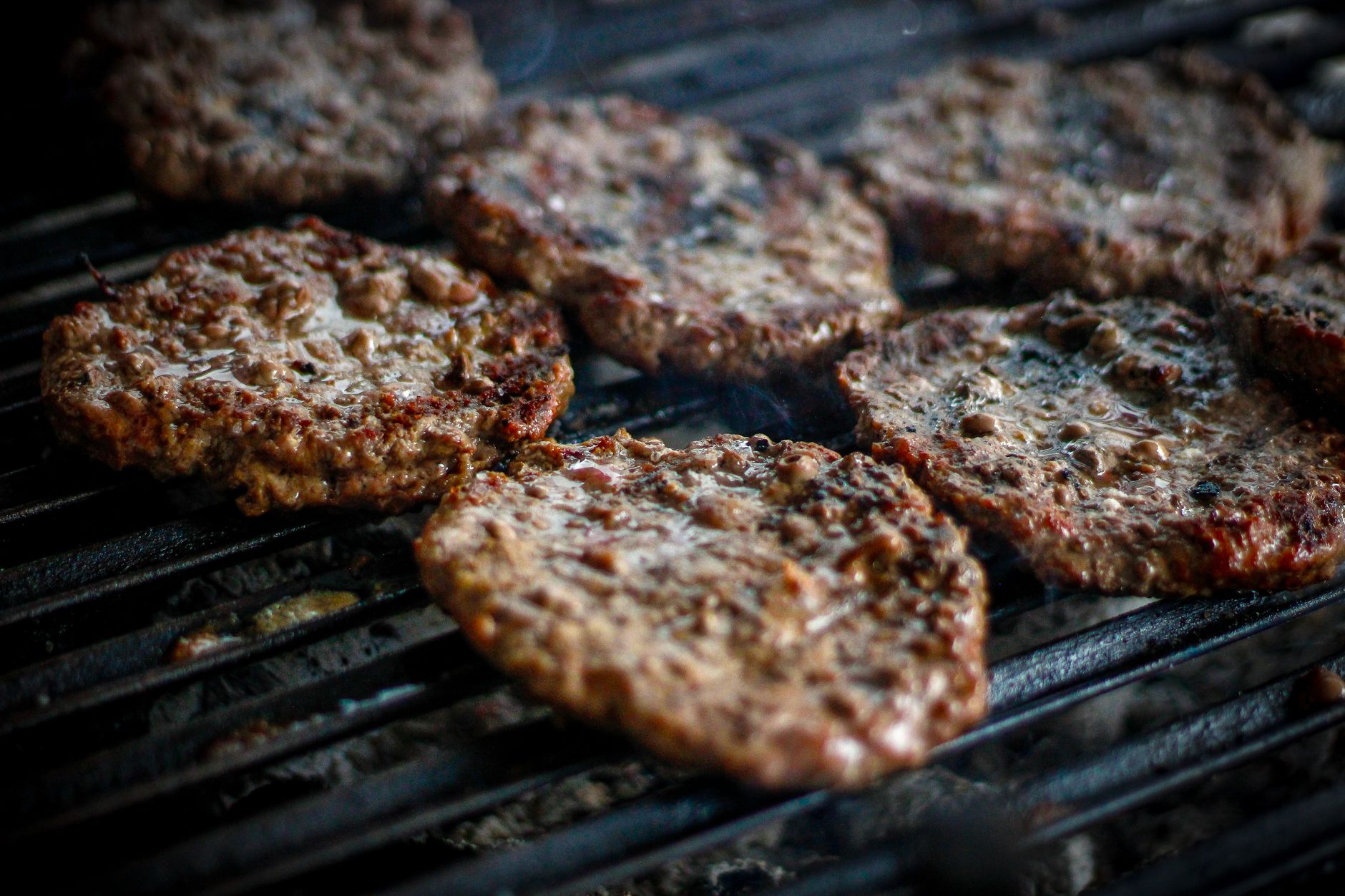
McDonald’s is a global fast-food giant known for its signature burger offerings, primarily the iconic Big Mac and Quarter Pounder. A key component of these menu items is beef, raising the question: how much beef does McDonald’s use daily? This article explores the volume of beef consumed at McDonald’s, the significance of this ingredient, as well as the impact on menu options and consumer choices.
Understanding how much beef McDonald’s utilizes can help shed light on food trends, sustainability concerns, and consumer preferences. By taking a closer look at beef’s role in McDonald’s offerings, we can also appreciate the dietary preferences and choices many make while dining at this popular establishment.
How Much Beef Does McDonald’s Use in a Day?
On average, McDonald’s uses a staggering amount of beef in its operations—approximately 2 million pounds per day. This figure translates to about 1 million pounds used for burgers alone. It’s worth noting that this figure can fluctuate based on various factors like location, day of the week, and menu offerings or promotions.
The Types of Beef Used at McDonald’s
McDonald’s has standardized its beef to maintain consistency and quality across its global franchises. The key types of beef included in their menu are:
- Ground Beef: Primarily used for hamburgers, cheeseburgers, and specialty products like the Big Mac and Quarter Pounder.
- Beef Patties: These are pre-formed beef disks that ensure uniform cooking and flavor.
- Specialty Beef: Occasionally, McDonald’s may offer limited-time specialty burgers that can include varied cuts or blends.
Menu Options Featuring Beef
Beef is at the heart of many popular McDonald’s menu items. Here’s a look at some of the key offerings:
- Big Mac: The flagship burger consists of a pair of beef patties, lettuce, cheese, pickles, onions, and special sauce layered within a three-part sesame seed bun.
- Quarter Pounder with Cheese: Made with a quarter pound of beef, this burger is complemented by onions, pickles, ketchup, mustard, and two slices of cheese.
- Cheeseburger: A simple yet classic choice, made with a single beef patty topped with cheese, pickles, mustard, and ketchup.
- Double Cheeseburger: Essentially a cheeseburger with double the beef for an extra meaty experience.
- McDouble: Similar to the double cheeseburger but features only one slice of cheese, providing a slightly different taste profile.
- Big Tasty: A limited-time offering that features a larger beef patty and a unique sauce, designed for those seeking something more substantial.
How Beef Production Meets Demand
Meeting the daily demand for beef at McDonald’s poses challenges in supply chain logistics and sourcing practices. McDonald’s has emphasized the importance of ethical sourcing in recent years, partnering with suppliers that follow sustainable beef production practices. This includes:
- Quality Assurance: McDonald’s works closely with suppliers to ensure beef quality meets their stringent safety and quality benchmarks.
- Animal Welfare: The company advocates for practices that promote humane treatment of cattle throughout the supply chain.
- Sustainability Initiatives: McDonald’s continues to invest in sustainable practices, such as reducing greenhouse gas emissions and adopting better grazing and feeding methods.
The Role of Beef in McDonald’s Business Strategy
Beef plays a crucial role in McDonald’s marketing and business strategies. Here are some important aspects:
- Brand Identity: The emphasis on beef helps solidify McDonald’s identity as a center for quick-service dining, particularly for those seeking comfort food.
- Consumer Preferences: Many consumers prefer beef-based options, making it a staple in fast-food dining.
- Seasonal Promotions: McDonald’s often rolls out limited-time beef products to attract customers and boost sales during specific campaigns or seasons.
Alternatives and Dietary Preferences
As awareness of dietary preferences grows, McDonald’s has expanded its menu to include non-beef options for those avoiding beef for personal, ethical, or health reasons. Some alternatives include:
- Chicken Sandwiches and Nuggets: Popular among those looking for poultry options, these menu items provide a suitable substitute for beef-based selections.
- Plant-Based Options: McDonald’s has explored plant-based offerings like the McPlant burger, targeting a growing vegan and vegetarian audience.
- Fish Sandwiches: Variants like the Filet-O-Fish cater to consumers looking for seafood options.
Understanding Consumer Preferences
Consumer preferences heavily influence the types of beef and alternate protein options introduced by McDonald’s. Here’s how they assess and adapt to these trends:
- Surveys and Feedback: McDonald’s regularly conducts surveys to understand consumer preferences and adapt their offerings accordingly.
- Market Research: Analysis of food trends provides insights into what consumers want at fast-food establishments, influencing menu development.
- Health Conscious Choices: With rising health trends, McDonald’s increasingly offers items with fewer calories or less fat, including leaner beef selections.
Common Misconceptions About Fast Food Beef
Several myths surround the beef used in fast food. It’s critical to differentiate facts from misconceptions. Some common points to clarify include:
- Quality of Ingredients: Some believe that fast food beef is of lower quality. McDonald’s maintains quality checks, and the beef is sourced from reputable suppliers.
- Use of Fillers: Concerns about fillers in fast food beef are common; however, McDonald’s discloses that their patties contain 100% pure beef with no fillers or additives.
- Nutrition Concerns: While fast food is often viewed as unhealthy, McDonald’s has made strides in providing nutritional information and healthier menu options.
The Future of Beef at McDonald’s
The future of beef at McDonald’s will likely be shaped by evolving consumer tastes, sustainability efforts, and health trends. Key future trends may include:
- Enhanced Sustainability: Continued focus on sustainable sourcing and production methods to meet changing consumer expectations.
- Innovative Menu Options: The introduction of new beef products or unique flavors may attract a more diverse clientele.
- Health-Focused Changes: The possibility of leaner beef or smaller portion sizes to appease health-conscious consumers while maintaining taste.
Tips for Choosing Beef at McDonald’s
When navigating the beef offerings at McDonald’s, consider the following tips:
- Explore the Menu: Don’t limit yourself to the classics; try out seasonal or limited-time offerings for new experiences.
- Consider Smaller Portions: Opt for items like the McDouble or Cheeseburger if you’re looking for a smaller meal with beef.
- Customize Your Order: Most McDonald’s locations allow for customization—perhaps hold the special sauce or add extra toppings to your preference.
Storage and Handling of Beef
Although beef served at McDonald’s is prepared fresh, understanding proper storage and handling can be beneficial for home cooks. Below are important safety guidelines:
- Refrigeration: Ground beef should always be stored in the refrigerator or freezer promptly after purchase. It is best used within 1-2 days if refrigerated.
- Cooking Temperatures: To ensure safety, cook ground beef to an internal temperature of 160°F (71°C).
- Thawing: Frozen beef should never be thawed at room temperature. Instead, use the refrigerator or cold water methods.
Conclusion
The amount of beef McDonald’s uses daily is a significant reflection of its business model and consumer preferences. By understanding how much beef is consumed and its role in the broader menu, consumers can make better-informed dining choices. Whether selecting beef, chicken, or plant-based options, McDonald’s continues to evolve with the evolving food landscape.
For more information about cooking and storing beef, feel free to explore our guides on how long is ground beef good for in the fridge and a delightful Mongolian ground beef recipe.