
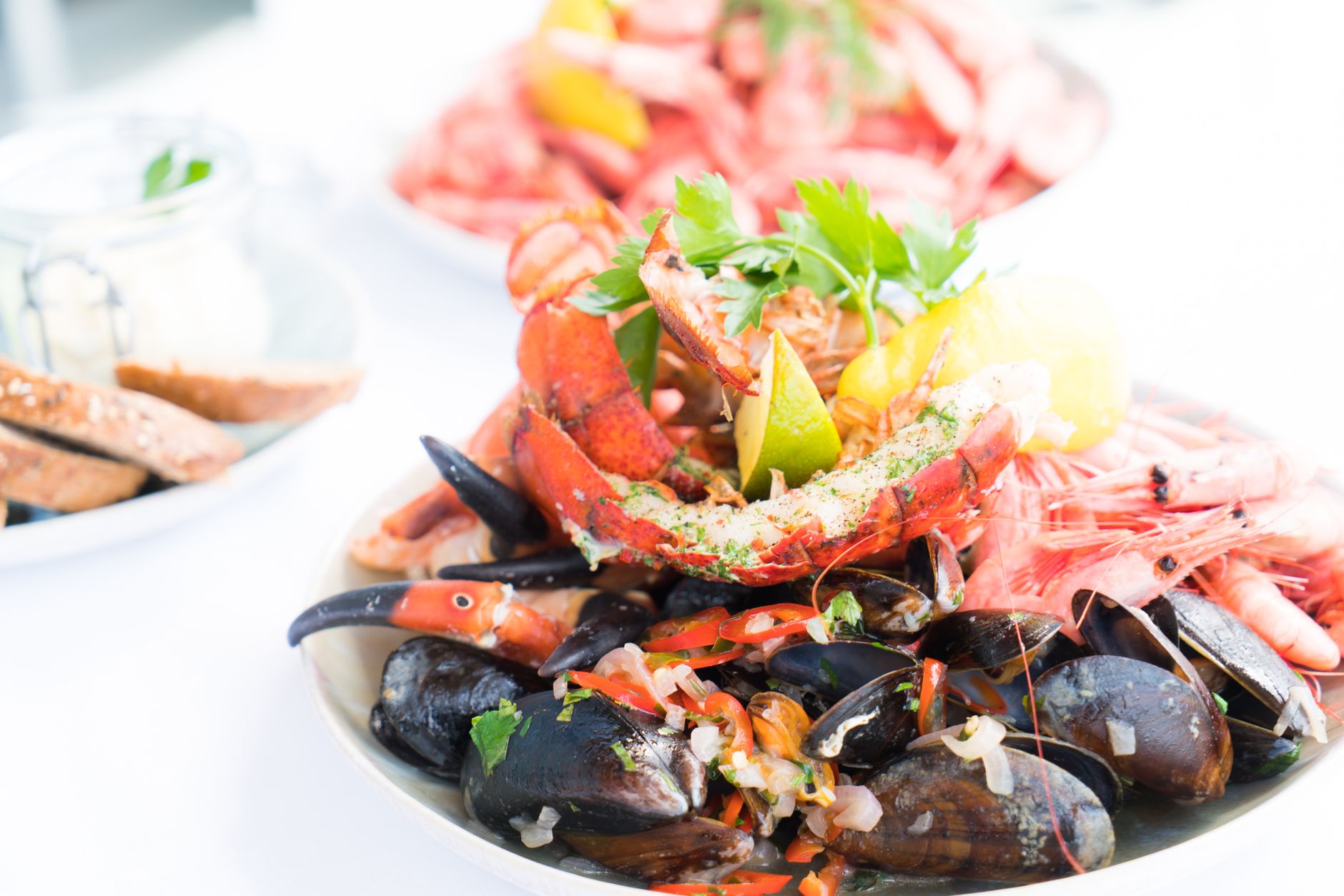
When it comes to seafood, lobster is often celebrated for its sweet, delicate flavor and luxurious texture. However, as consumers become increasingly aware of seafood contaminants, a common question arises: Is lobster high in mercury? Understanding the mercury levels in different seafood, including lobster, is crucial for safe consumption.
This article explores the mercury content in lobster, providing essential facts and kitchen uses, as well as guidance on how to enjoy this delicious delicacy responsibly.
Is Lobster High in Mercury?
Lobster has a relatively low mercury content compared to many other seafood options. According to the FDA, lobster typically contains about 0.126 parts per million (ppm) of mercury, which varies based on the species, habitat, and diet. While it is safer than some fish, moderation is essential, especially for pregnant women and young children.
Understanding Mercury in Seafood
Mercury is a naturally occurring element that can be found in air, water, and soil. When it enters water bodies, it can convert to methylmercury, a toxic form that accumulates in fish and seafood. Larger and older fish tend to contain higher mercury levels because they consume smaller contaminated fish, leading to a biomagnification effect. This is why some seafood options are advised against, particularly in the case of pregnant women, nursing mothers, and children.
Health Risks Associated with Mercury
Exposure to high levels of mercury can lead to serious health issues, including neurological problems, developmental deficits in children, and damage to the kidneys and nervous system. Symptoms of mercury poisoning can include numbness, vision and hearing impairments, and difficulty coordinating movements.
Lobster vs. Other Seafood
To understand where lobster stands in relation to other seafood, let’s compare its mercury levels with popular fish:
- Tuna (canned light): 0.12 ppm
- Salmon: 0.014 ppm
- Swordfish: 0.995 ppm
- Shark: 0.979 ppm
- Haddock: 0.080 ppm
As seen in this comparison, lobster falls within the lower range for mercury levels, making it safer than species like swordfish and shark. This presents lobster as a viable choice for seafood lovers concerned about mercury exposure.
Types of Lobster and Their Mercury Levels
There are primarily two types of lobsters that are consumed commercially: American lobster (Homarus americanus) and European lobster (Homarus gammarus). Both types have similar mercury levels, but environmental factors can slightly influence these levels.
American Lobster
The American lobster is famous for its sweet taste and is commonly found along the coasts of North America. It typically contains about 0.12 ppm of mercury.
European Lobster
The European lobster is similar in flavor and texture but is generally less available in the U.S. market compared to its American counterpart. Its mercury level is comparable, hovering around 0.13 ppm.
Safe Consumption Guidelines
The FDA and EPA provide specific guidelines for seafood consumption, especially for vulnerable populations like pregnant women and young children. Here are some recommendations on safe consumption levels:
- Adults can safely consume up to 12 ounces (about two average meals) of low-mercury seafood, including lobster, per week.
- For pregnant women and young children, a limit of 6 ounces of lobster per week is advisable to minimize exposure.
- Always consider non-mercury seafood options, such as shrimp, salmon, and tilapia, to diversify your diet.
Benefits of Eating Lobster
Aside from its low mercury content, lobster is a delicious and nutritious choice. Here are some benefits of including lobster in your diet:
High in Protein
Lobster is an excellent source of protein, providing around 28 grams of protein per 3.5-ounce serving. This high protein content supports muscle growth, repair, and overall bodily functions.
Rich in Nutrients
Lobster contains various essential nutrients, including B vitamins (like B12 and niacin), zinc, copper, and selenium, which together contribute to improved metabolic function, immune support, and cellular health.
Low in Calories
With only about 90 calories per 3.5-ounce serving, lobster is a low-calorie food that can fit well into weight management plans. It is often seen as a healthier alternative to red meats due to its lower saturated fat content.
Cooking Methods for Lobster
Cooking lobster can be an enjoyable experience, and there are various methods to prepare this delicacy. Here are some popular cooking techniques:
Boiling Lobster
Boiling is one of the most common methods for cooking lobster. Here’s a simple guide:
- Bring a large pot of salted water to a rolling boil.
- Add the live lobsters to the pot, ensuring they are fully submerged.
- Cover the pot, and let the lobsters cook for about 7-10 minutes for a 1.5-pound lobster.
- Remove the lobsters and place them in an ice bath to stop the cooking process.
Grilling Lobster
Grilling adds a smoky flavor to lobster and is an excellent technique for outdoor cooking:
- Preheat the grill to medium heat.
- Cut the lobsters in half lengthwise and brush the meat with olive oil and seasoning.
- Grill for about 5-7 minutes, shell-side down, until the meat is opaque and cooked through.
Baking Lobster
Baked lobster is often stuffed or simply seasoned and wrapped in foil:
- Preheat your oven to 350°F (175°C).
- Place the lobsters on a baking sheet and brush them with melted butter.
- Bake for 20-25 minutes, or until the meat is fully cooked and opaque.
Practical Tips for Handling and Storing Lobster
Proper handling and storage of lobster are essential to maintain freshness and avoid foodborne illnesses. Here are some tips:
Buying Fresh Lobster
- Choose lobsters that are active and lively; they should feel heavy for their size and have a clean, ocean-like smell.
- Inspect the shell for any cracks or soft spots, which may indicate age or poor quality.
Storing Lobster
- If you are not cooking the lobster immediately, keep it in a sealed container or a breathable bag and store it in the refrigerator. Use ice packs to maintain a cool temperature.
- Cooked lobster can be stored in an airtight container in the refrigerator for up to 2-3 days.
- For long-term storage, freeze cooked lobster. It can last for up to 4-6 months in the freezer.
Common Mistakes When Cooking Lobster
Even with its luxurious appeal, cooking lobster can have its pitfalls. Here are some common mistakes and how to avoid them:
- Overcooking: This leads to tough and rubbery meat. Ensure proper timing, checking for opaque color and firmness without overdoing it.
- Ignoring Thermometer Checks: Use a food thermometer to check the internal temperature; it should reach at least 140°F (60°C).
- Neglecting to Salt the Water: Adding salt to boiling water enhances the flavor of the lobster, resembling the ocean.
Flavor Pairings and Serving Suggestions
Lobster is versatile, allowing for various flavor pairings and serving styles:
Classic Accompaniments
Try serving lobster with melted butter, lemon wedges, or a garlic herb sauce. These complements elevate the dish’s flavor while allowing the natural sweetness of the lobster to shine through.
Lobster Dishes
- Lobster Rolls: A popular New England dish that combines chunks of lobster meat with mayonnaise, served in a buttered roll.
- Lobster Pasta: Lobster pairs excellently with creamy sauces or tossed with garlic and olive oil in pasta dishes.
- Lobster Bisque: A rich, creamy soup made from lobster stock, meat, and other aromatics, perfect for a luxurious first course.
Wine Pairings
Wine pairs beautifully with lobster. A full-bodied white wine, such as Chardonnay or a light red like Pinot Noir, beautifully complements lobster’s flavors.
Conclusion
In summary, lobster can be enjoyed without significant concern about mercury levels, especially when consumed moderately. This delectable seafood offers not only flavor but numerous health benefits as well. Experiment with cooking methods, pairings, and dishes to incorporate lobster safely and deliciously into your diet.
For delightful lobster recipes to try, check out our broiled lobster tail recipe or our tasty Trader Joe’s lobster bisque pasta recipe.