
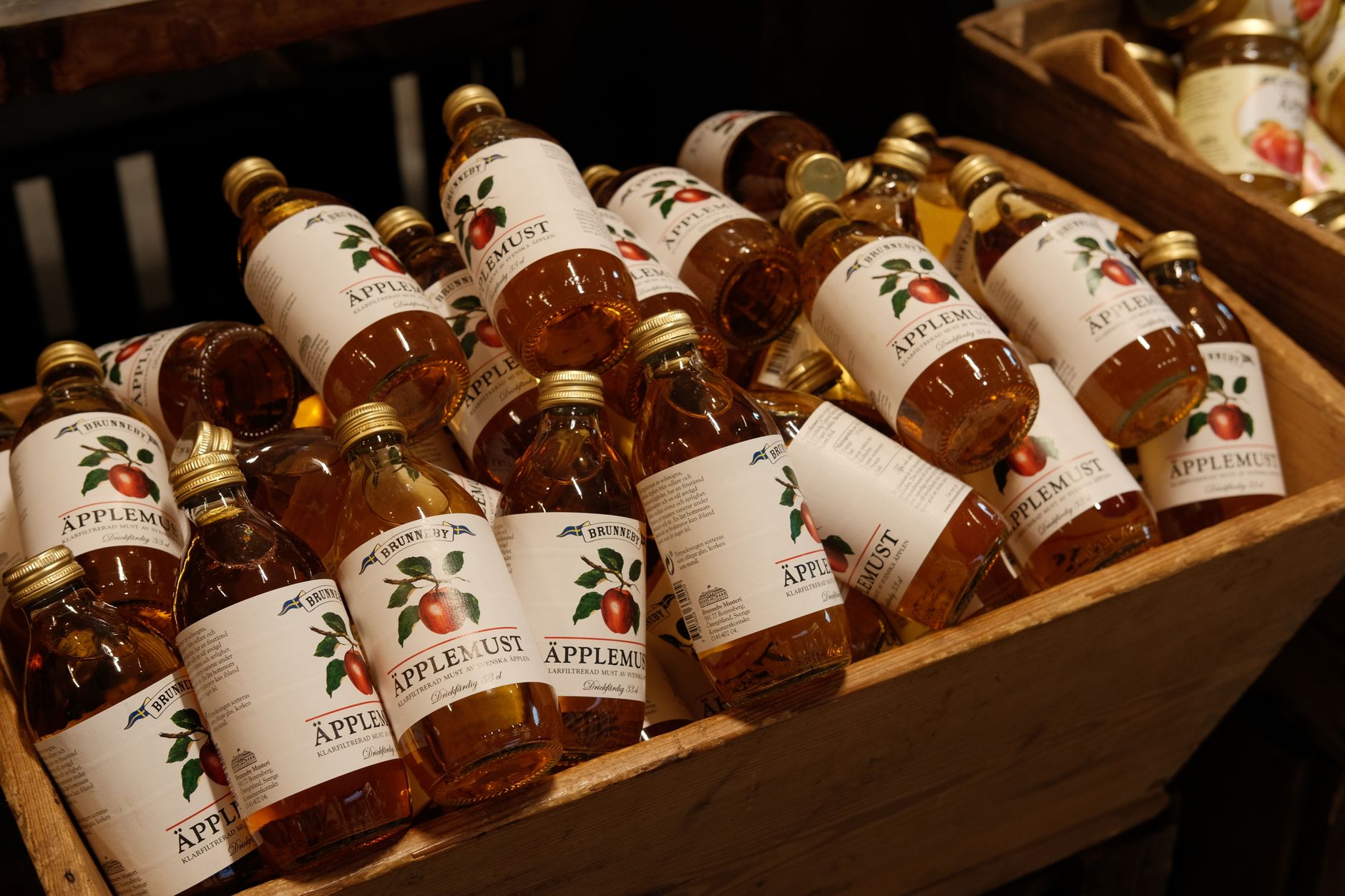
Apple cider is a flavorful drink enjoyed by many, particularly during the colder months. However, if you’ve got a jug tucked away in your pantry or fridge, you might wonder, does apple cider expire? Understanding the shelf life of apple cider and how to store it properly can help you avoid waste and ensure you enjoy it at its best.
This article will cover everything you need to know about the storage times, spoilage signs, and best practices for your apple cider to keep it fresh and tasty as long as possible.
Does Apple Cider Expire?
Yes, apple cider does expire, but its longevity depends on how it is stored and whether it has been pasteurized. Unopened, pasteurized cider can last for several months, while opened, unpasteurized cider may only last a week. Key indicators of whether cider has gone bad include off odors, changes in color, or unusual sediment.
Types of Apple Cider
Before diving into storage methods, it’s essential to understand the different types of apple cider available. There are mainly two categories you might encounter:
- Pasteurized Apple Cider: This type has been heated to eliminate bacteria and yeast. It’s shelf-stable for a time before opening.
- Unpasteurized Apple Cider: This type contains live cultures. While it may have a fresh taste and rich aroma, it has a shorter shelf life.
Storage Times for Apple Cider
Proper storage can significantly extend the life of your apple cider. Here is a breakdown of expected storage times for both unopened and opened cider, depending on whether it’s pasteurized or unpasteurized:
| Type | Unopened | Opened |
|---|---|---|
| Pasteurized | Up to 1 year (unopened, in a cool place) | 2-3 weeks (refrigerated) |
| Unpasteurized | 1-2 weeks (unopened, in the fridge) | 3-7 days (refrigerated) |
Signs of Spoilage in Apple Cider
Identifying whether your apple cider has expired requires vigilance. Look for these common signs of spoilage:
1. Off Odors
If your cider has a sour or unusual smell, it is likely spoiled. Fresh cider should have a pleasant, fruity aroma.
2. Color Changes
Apple cider is typically a bright, clear amber color. If you notice it has darkened significantly or appears cloudy, it may be time to throw it out.
3. Sediment or Floating Particles
While some sediment is normal in unpasteurized cider, any unusual floaters or excessive sediment can indicate spoilage.
4. Bubble Formation
If you see bubbles on the surface of the cider, this could be a sign that fermentation (and spoilage) is occurring. Fresh cider should be relatively flat, without bubbles.
5. Taste Changes
If you are unsure whether your cider is still good, a small taste can help. If it tastes off, sour, or unappealing, it’s best to discard it.
Best Practices for Storing Apple Cider
Storing apple cider properly can help extend its shelf life significantly. Here are some best practices:
1. Refrigeration
Always refrigerate cider after opening, regardless of whether it is pasteurized or not. The cool temperature slows the growth of bacteria and helps maintain quality. Unopened pasteurized cider can be stored in a cool, dark place.
2. Seal Properly
If you are using apple cider from a larger container, reseal it tightly after pouring to prevent contamination and exposure to air, which can accelerate spoilage.
3. Avoid Cross-Contamination
When serving cider, use clean utensils and avoid direct contact with your mouth on the container. This helps maintain the cider’s quality.
4. Check Expiration Dates
Always check the expiration or “best by” date printed on the packaging. It provides guidance on optimal freshness.
5. Freezing for Long-Term Storage
If you want to store apple cider for an extended period, consider freezing it. Pour cider into an airtight container, leaving some headspace for expansion, and place it in the freezer. Frozen cider will maintain quality for about a year, but its texture may change upon thawing.
What to Do with Expired Apple Cider
If you discover that your apple cider has spoiled, there are several ways to dispose of it. Always avoid drinking spoiled cider, as it may lead to stomach discomfort. Here are some suggestions for dealing with expired cider:
- Compost It: If you have a compost pile, you can add spoiled apple cider. It will break down naturally and contribute to your compost.
- Use as Fertilizer: Diluted expired cider can be used as fertilizer for plants, providing them with nutrients.
- Dispose of in the Trash: If composting isn’t an option, simply dispose of the cider in your regular trash. Ensure it is sealed to avoid odors.
Creative Uses for Fresh Apple Cider
While proper storage is essential, you may also want to make the most out of your fresh apple cider before it expires. Here are some delicious ways to enjoy it:
1. Warm Spiced Apple Cider
Heat cider on the stove with cinnamon, cloves, and star anise for a comforting drink that’s perfect for chilly evenings. Just simmer for about 20 minutes to blend the flavors.
2. Apple Cider Vinaigrette
Mix apple cider with olive oil, mustard, honey, and spices for a tangy salad dressing. It adds a delightful zing to greens and roasted vegetables.
3. Marinades
Use apple cider in marinades for meats. The acidity helps tenderize proteins while imparting a subtle sweetness, making it a great option for chicken or pork dishes.
4. Baking
Incorporate apple cider into baked goods for a hint of flavor. It can work beautifully in muffins, cakes, or even pancakes, enhancing them with its fruity taste.
5. Cocktails
Try mixing apple cider into cocktails for a seasonal twist. It pairs well with bourbon, rum, or champagne for festive beverages.
Practical Tips for Using and Enjoying Apple Cider
Here are some additional tips to enhance your experience with apple cider:
- Check for Freshness: If possible, taste test fresh cider to assess its quality before using it in recipes.
- Serve Chilled or Heated: Depending on your preference, cider can be served chilled over ice or heated for a warming drink.
- Pair with Food: Apple cider complements a variety of dishes, including cheese platters, roast meats, and spiced desserts.
- Engage the Senses: Note the color, aroma, and flavor profile of your cider to enrich your tasting experience.
Conclusion
Understanding whether apple cider expires is key to enjoying its full flavor and freshness. By properly storing your cider, recognizing spoilage signs, and using it creatively, you can get the most out of this delightful beverage. Be mindful of expiration dates and how you store your cider, and you’ll be able to savor every last drop.
For more culinary knowledge and delicious recipes, explore our articles on how to determine if chia seeds go bad and a sweet apple compote recipe perfect for topping your desserts.