
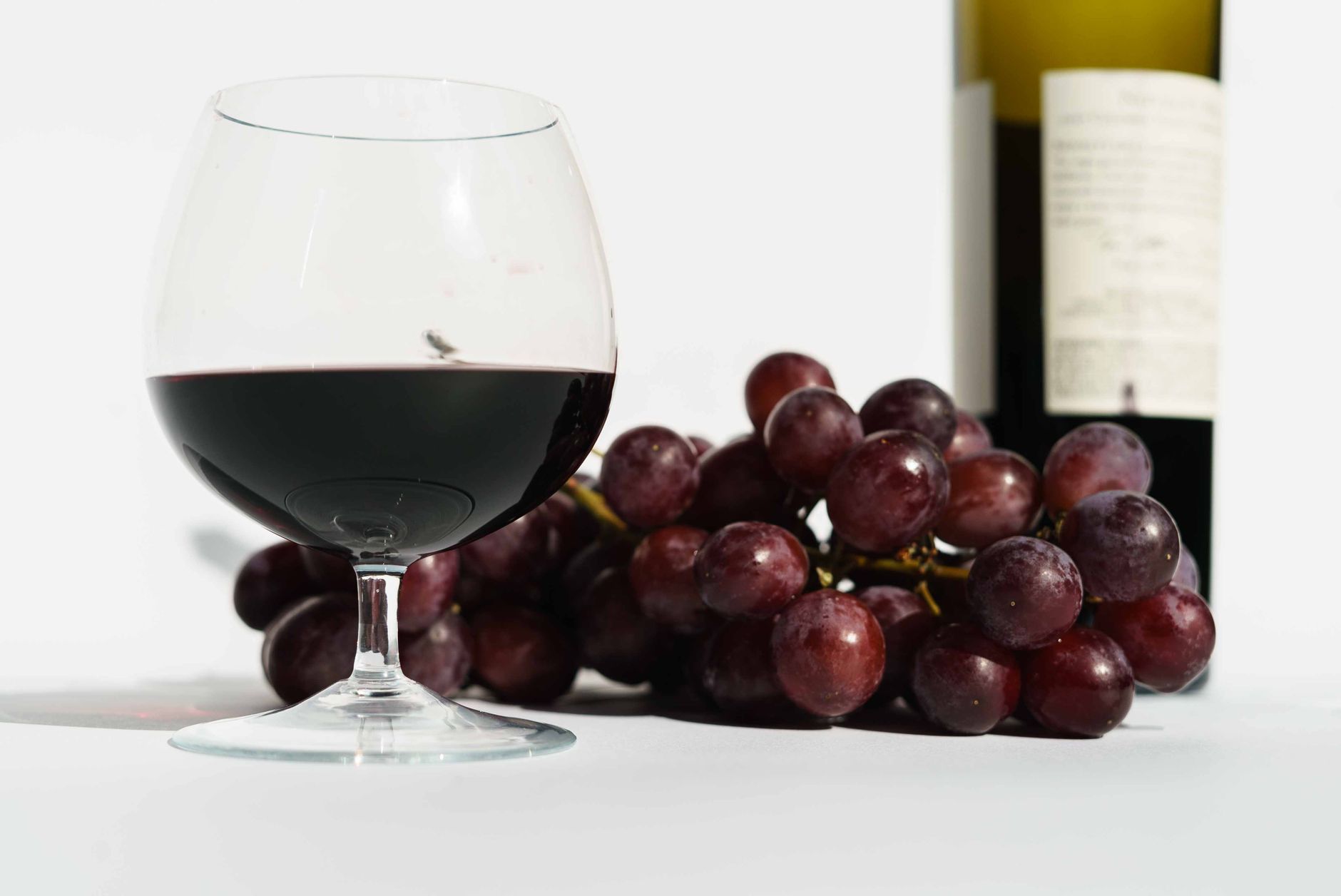
When exploring the world of red wine, many new drinkers are curious about which varieties have a sweet note. Sweet red wines are a delightful choice for those who prefer a softer taste that pairs well with different dishes or stands alone as a refreshing drink. Understanding the characteristics of sweet red wine can elevate your wine selection and enhance your dining experiences.
This article will discuss different types of sweet red wines, their flavor profiles, serving suggestions, and food pairings to help you navigate the world of red wine more effectively.
What Red Wine Is Sweet?
Sweet red wines typically feature a noticeable sugar concentration, making them appealing for those who enjoy a sweeter palate. Varieties such as Lambrusco, Brachetto, and Sweet Red Blends often exhibit fruit-forward flavors and lower tannins, which contribute to their perceived sweetness. Additionally, some winemakers intentionally leave residual sugar in the wine to enhance sweetness after fermentation.
Characteristics of Sweet Red Wines
Sweet red wines share several common characteristics that differentiate them from their drier counterparts. Understanding these traits can help you make informed choices while shopping for wine or ordering at a restaurant.
Flavor Profile
Sweet red wines are characterized by lush fruit flavors, often including:
- Raspberry
- Cherry
- Blackberry
- Strawberry
- Plum
These wines typically have less acidity compared to dry red wines, leading to a smoother, more rounded mouthfeel. Some sweet reds may also exhibit hints of chocolate, vanilla, or even florals, enhancing their complexity.
Texture
Texture-wise, sweet red wines are often smooth and velvety, thanks to their lower tannin levels. Tannins create a drying sensation in the mouth, so wines with less tannin are perceived as sweeter and more approachable, particularly for those who may not be accustomed to red wine.
Residual Sugar Content
The sweetness of red wine is primarily influenced by its residual sugar content, which is the sugar left in the wine after fermentation. Here’s a simple breakdown of residual sugar levels:
| Wine Type | Residual Sugar (grams/liter) |
|---|---|
| Dry | 0-10 |
| Off-Dry | 10-30 |
| Semi-Sweet | 30-50 |
| Sweet | 50+ |
Sweet red wines typically contain at least 30 grams per liter of residual sugar, making them ideal for sipping or pairing with rich desserts.
Popular Sweet Red Wine Varieties
Now that we’ve established what makes red wine sweet, let’s explore some popular sweet red wine varieties that you may want to try:
Lambrusco
Originating from Italy, Lambrusco is a lightly sparkling red wine that can range from dry to sweet. Sweet Lambrusco offers vibrant fruit flavors like cherry and raspberry, along with a refreshing fizz. It pairs well with pizza, pasta with tomato sauce, and various cheeses.
Brachetto d’Acqui
This sweet, sparkling red wine comes from the Piedmont region of Italy. It features a bouquet of strawberries and red roses, with a flavor profile that includes berry fruitiness and a hint of sweetness. Brachetto d’Acqui is perfect with desserts, especially those made with chocolate or berries.
Sweet Red Blends
Many winemakers create blends that emphasize fruitiness and sweetness. These sweet red blends can include different grape varieties, often containing zinfandel, merlot, or syrah. They usually showcase a round, fruity character with hints of vanilla or spice and easily complement grilled meats and barbecue dishes.
Port Wine
Port is a fortified wine from Portugal that is rich and sweet, often enjoyed as a dessert wine. It typically features flavors like baked cherry, chocolate, and fig, alongside a higher alcohol content due to the fortification process. Port pairs wonderfully with rich desserts, blue cheese, or chocolate-based dishes.
How to Choose Sweet Red Wine
When selecting a sweet red wine, consider the occasion and your personal taste preferences. Here are some factors to keep in mind:
Read the Label
Wine labels typically indicate whether a wine is dry, off-dry, or sweet. Look for terms such as “sweet,” “semi-sweet,” or “dessert wine” to identify the sweetness level.
Ask for Recommendations
If you’re unsure which sweet red to choose, don’t hesitate to ask staff at your local wine shop or restaurant for suggestions. They can provide insights on popular options and food pairings.
Taste Test
Many wine shops offer tastings, making it an excellent opportunity to explore various sweet red wines. Take advantage of this chance to find your favorites before purchasing.
Serving Suggestions for Sweet Red Wine
Optimal Temperature
Sweet red wines are best served slightly chilled, around 55°F to 60°F (13°C to 16°C). This temperature helps to highlight their fruity flavors while balancing the sweetness.
Glassware
Using the right glass can enhance the tasting experience. Opt for red wine glasses with a wide bowl to allow the wine to breathe, enhancing its aroma and flavor. A larger glass promotes greater surface area interaction with the air.
Decanting
For wines that are particularly complex or aged, consider decanting. This process allows the wine to aerate, softening tannins and enhancing flavors. However, this step is less common for sweeter wines, as they are often enjoyed young and fresh.
Food Pairings with Sweet Red Wines
Sweet red wines can accompany a variety of dishes and desserts. Here are some classic pairings to consider:
Cheese
Sweet red wines often complement creamy or blue cheeses. Consider pairing Lambrusco with fresh mozzarella or Gorgonzola with Port wine for an indulgent experience.
Meats
Grilled or barbecued meats can pair surprisingly well with sweet reds. The sweetness can balance the savory flavors, particularly for dishes with a sweet glaze or barbecue sauce.
Spicy Dishes
Sweet red wines, especially those with a fruity profile, can offset the heat in spicy foods such as Thai or spicy barbecue, providing a refreshing counterbalance to bold flavors.
Desserts
For dessert pairings, chocolate-based desserts or fruit tarts go hand-in-hand with sweet red wines. Try Brachetto d’Acqui with berry tarts or Ruby Port with a rich chocolate cake.
Practical Tips for Enjoying Sweet Red Wine
To ensure a delightful experience with your sweet red wine, keep these tips in mind:
Store Properly
Store your open sweet red wine in a cool, dark place, ideally in the fridge with the cork resealed. Consuming it within a few days will yield the best taste, as oxidation can alter its flavor profile.
Explore Mixing Options
Aside from enjoying sweet red wine on its own, consider experimenting with cocktails. Sweet reds can add an unexpected twist to sangrias or mixed wine cocktails. Mix with club soda, citrus fruits, and herbs for a refreshing summer drink.
Common Mistakes to Avoid
When it comes to selecting and serving sweet red wine, avoiding some common pitfalls can enhance your experience:
Serving Too Warm
Serving sweet reds at room temperature can amplify their sweetness, making them less enjoyable. Remember to chill them slightly before serving to balance the flavor.
Overcomplicating Pairings
Sweet red wines are versatile, but pairing them with overly rich or complex dishes may overshadow their flavors. Stick to simpler dishes to let the wine shine through.
Neglecting Quality
Not all sweet red wines are created equal. Instead of reaching for the lowest price option, seek out quality bottles that showcase a harmonious balance of sweetness and flavor.
Conclusion
Understanding what sweet red wine is can enhance your wine experience significantly. From Lambrusco and Brachetto to sweet blends and Port, a wide range of options fits various preferences and occasions. Keep an open mind, explore various styles, and don’t hesitate to experiment with food pairings to find your ideal match.
For more insights into sweet wines, check out the guide on whether Moscato is sweet and explore herb substitutions with our article on good rosemary substitutes. Discover more about the fascinating world of wine and food pairings!