
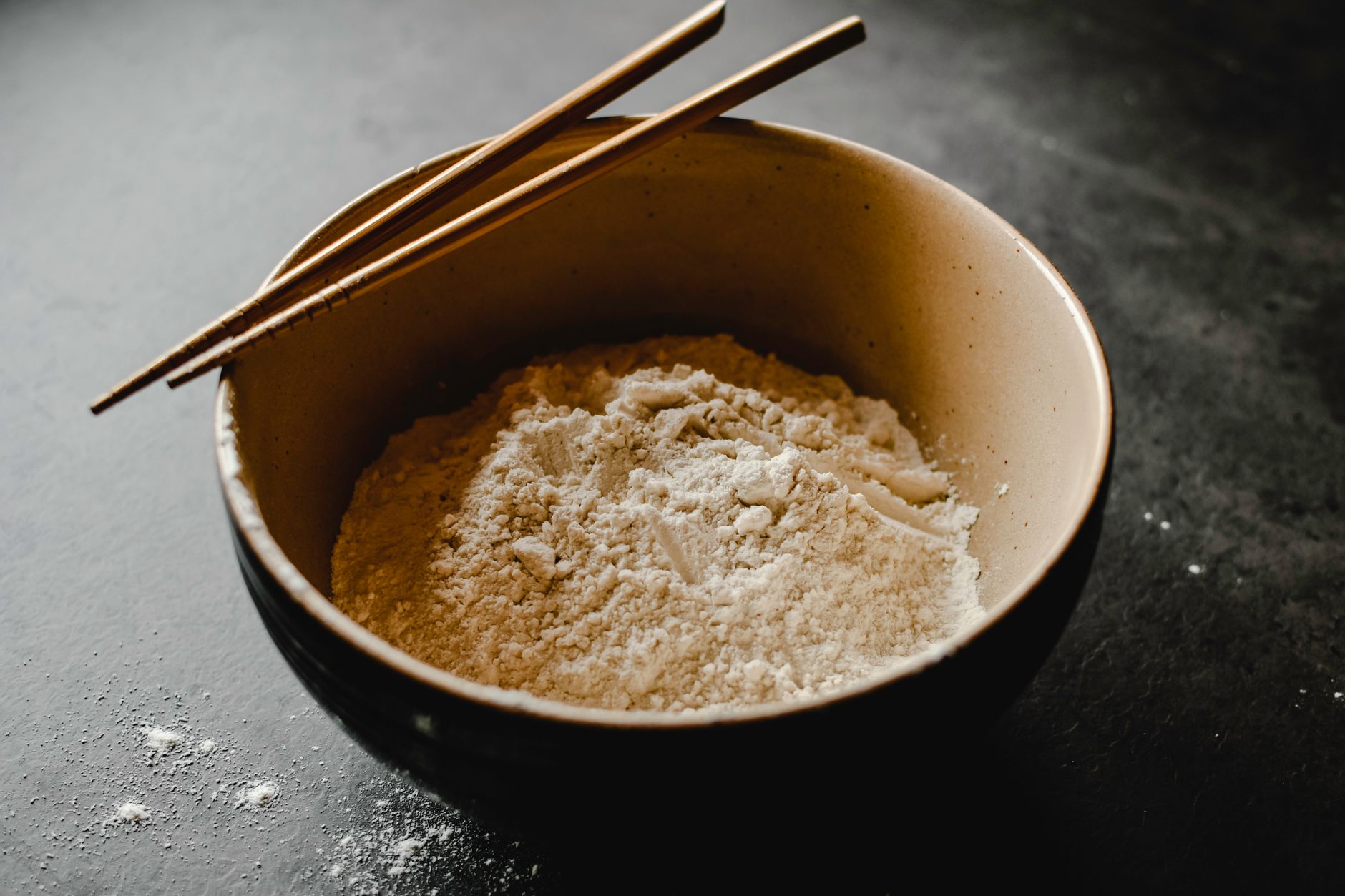
Understanding the caloric content of flour is essential for anyone interested in nutrition, meal planning, or baking. Flour is a versatile ingredient, commonly used in various dishes from bread to pastries. Knowing how many calories are in different types of flour can help inform your dietary choices and cooking practices.
This article will detail the calorie counts for various types of flour, serving sizes, and practical tips on how to use flour while being mindful of caloric intake. Whether you’re baking a loaf of bread or whipping up a cake, mastering flour is crucial.
How Many Calories Are in Flour?
The caloric content in flour varies by type. For instance, all-purpose flour contains approximately 455 calories per cup (120 grams), while whole wheat flour is slightly lower in calories, averaging around 408 calories per cup. Other types of flour, such as almond or coconut flour, also have different caloric values and unique nutritional profiles.
Caloric Breakdown by Flour Type
Here’s a breakdown of common types of flour and their caloric content based on one cup servings:
| Flour Type | Calories (per cup) | Weight (grams) |
|---|---|---|
| All-Purpose Flour | 455 | 120 |
| Whole Wheat Flour | 408 | 120 |
| Almond Flour | 640 | 96 |
| Coconut Flour | 480 | 112 |
| Sorghum Flour | 400 | 120 |
| Oat Flour | 455 | 120 |
Understanding Flour and Its Uses
Flour is a staple in many households and is used as a primary ingredient in a multitude of recipes. The type of flour can significantly impact the nutritional profile of your meals and the overall outcome in baking. Here’s a closer look at some common types of flour:
1. All-Purpose Flour
All-purpose flour is the go-to flour for most baking and cooking needs. It’s milled from a mix of hard and soft wheat, which gives it versatile properties. This flour is suitable for cookies, cakes, breads, and thickening sauces. Its high caloric content can be attributed to its carbohydrate-rich nature.
2. Whole Wheat Flour
This flour is milled from the whole grain, retaining bran, germ, and endosperm. Whole wheat flour provides more nutrients and fiber compared to all-purpose flour, which may make it a healthier choice despite the slight difference in calorie count. It’s excellent for breadmaking and can add a nutty flavor to baked goods.
3. Almond Flour
Almond flour, made from finely ground almonds, is a popular gluten-free alternative. It is higher in calories due to its fat content but offers healthy fats, fiber, and protein. Almond flour is ideal for gluten-free recipes and adds moisture and richness to baked goods.
4. Coconut Flour
Coconut flour is another gluten-free option made from dried coconut meat. It’s high in fiber and lower in calories than almond flour, but you should use it sparingly as it absorbs a lot more liquid than other flours. This flour works well in pancakes, muffins, and baked goods requiring a lighter texture.
5. Sorghum Flour
Sorghum flour is another gluten-free alternative that provides a unique flavor. It’s relatively low in calories compared to other flours and is often used in gluten-free baking. Combine it with other flours for better texture and taste in baked goods.
6. Oat Flour
Made from ground oats, oat flour is naturally gluten-free and slightly lower in calories. It adds a mild flavor and is often used in cookies and pancakes. Oat flour can provide added nutrition, such as fiber and protein, making it a wholesome addition to your pantry.
How to Measure Flour Accurately
Correct measurement of flour is crucial. Too much flour can result in dense, dry baked goods. Here are tips for accurate measuring:
- Use a spoon and level method: Spoon flour into a measuring cup, allowing it to overflow, then level it off with a straight edge.
- Weigh your flour: For ultimate precision, use a digital kitchen scale. One cup of all-purpose flour typically weighs about 120 grams.
- Avoid packing: Avoid tightly packing flour into the measuring cup. This can lead to using more flour than intended.
Common Cooking and Baking Substitutions
If you find yourself short on a specific type of flour, here are some reliable substitutions and their effects:
- Whole Wheat Flour for All-Purpose Flour: Use a 1:1 ratio. Expect denser results and a nutty flavor.
- Almond Flour for All-Purpose Flour: Substitute at a 1:1 ratio, but reduce the liquid by 1/4 to 1/3.
- Coconut Flour for All-Purpose Flour: Use 1/4 cup of coconut flour for each cup of all-purpose flour. Increase liquid and eggs.
- Oat Flour for All-Purpose Flour: Substitute at a 1:1 ratio for pancakes and cookies but may need adjustments for bread.
Cooking Tips to Reduce Caloric Intake
When working with flour, you can apply these tips to help manage caloric intake:
- Use alternative flours: Experiment with flours like coconut or almond to increase fiber and healthy fats.
- Portion control: Measure your flour carefully to avoid excess calories from over-usage.
- Mix flours: Blend whole wheat or oat flour with all-purpose flour for a healthier option without sacrificing taste.
- Choose low-calorie recipes: Opt for recipes that incorporate less flour or utilize alternative binders and fillers, such as fruits or vegetables.
Common Mistakes When Working with Flour
Flour can be tricky to work with if you’re not familiar with it. Here are some common mistakes and how to avoid them:
- Overmixing: This can create tough baked goods. Mix just until combined when preparing batters.
- Not sifting: When required, failing to sift flour can lead to clumps and uneven measurements.
- Ignoring expiration dates: Flour can go rancid. Make sure to check the freshness before use.
Storing Flour for Optimal Freshness
Proper storage of flour helps maintain quality and prevents spoilage. Here are best practices:
- Keep it sealed: Store flour in an airtight container to prevent moisture and pests.
- Refrigerate for longevity: Whole grain flours can benefit from refrigeration to preserve oils in the grain.
- Label and date: Always label containers and mark them with the purchase date for easy tracking.
Using Flour in Meal Planning
Incorporating flour into your meal planning can be effective and nutritious. Here are a few meal ideas:
- Breakfast: Pancakes made with oat flour topped with fresh fruit.
- Lunch: Whole wheat wraps filled with lean protein and veggies.
- Dinner: Homemade pizza crust with almond flour for a low-carb option.
- Dessert: Muffins made with coconut flour and fruit.
Conclusion
Knowing how many calories are in flour and understanding the different types enables you to make informed decisions about your diet and cooking. By experimenting with various flours and incorporating them into your meals mindfully, you can enjoy diverse flavors and textures while keeping your caloric intake in check.
Next, consider exploring how to replace all-purpose flour in your meals or learn about specific dishes that utilize flour, such as the differences between bleached and unbleached flour. Discover more at the difference between bleached and unbleached flour and check out how many calories are in pho for more nutritional insights.